
Description
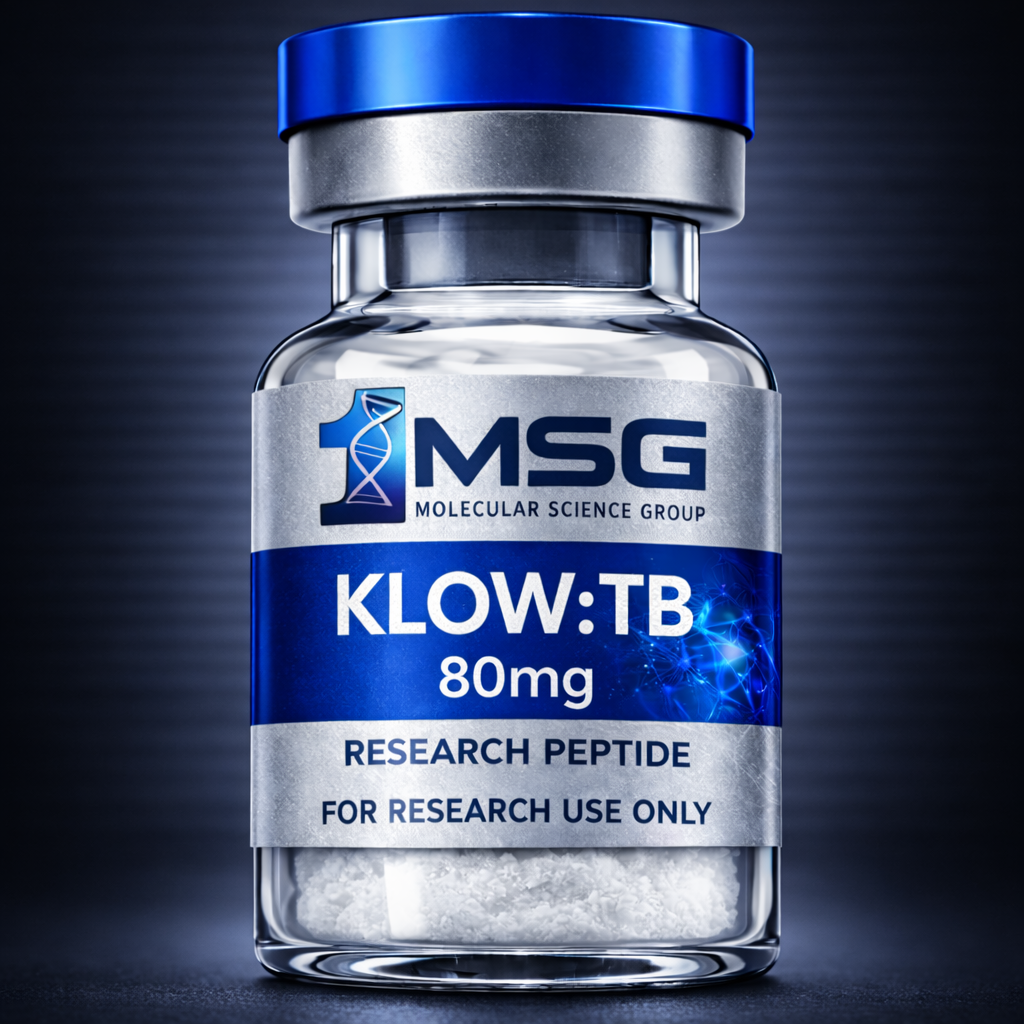
What is KLOW:TB?
KLOW:TB is a recovery-focused research peptide product that has gained attention for its association with tissue repair, recovery signaling, and regenerative study interest. In plain English, it is the kind of compound people look at when they are interested in how the body responds to physical stress, tissue strain, and the natural repair process.
Researchers are interested in peptide compounds like KLOW:TB because they are often discussed for their potential role in supporting the body’s recovery environment. This includes study attention around soft tissue support, connective tissue interest, and broader recovery-related pathways. For customers exploring the Recovery category, KLOW:TB is appealing because it is commonly associated with restoration, resilience, and repair-focused research conversations.
How KLOW:TB Works
While research is still evolving, compounds in this category are often studied for how they may influence the body’s normal repair and recovery signaling. Rather than acting like a stimulant or quick-fix product, KLOW:TB is generally discussed in the context of recovery biology.
- Tissue support interest: Often studied for possible involvement in repair-related signaling.
- Recovery environment: Commonly discussed for helping support conditions that may favor restoration after physical stress.
- Connective tissue attention: Researchers are often interested in how compounds like this may relate to tendons, ligaments, and soft tissue recovery.
- Regenerative study focus: Has gained attention in conversations around healing, resilience, and recovery optimization.
In simple terms, KLOW:TB is being studied because researchers want to better understand whether peptide-based recovery compounds can help support the biological processes involved in repair and restoration.
Why KLOW:TB Is Getting Attention
KLOW:TB is getting attention because recovery is a major area of interest in peptide research. People commonly discuss compounds like this when looking into post-training recovery, tissue resilience, and support for the body’s normal repair response. It is often compared to other recovery peptides because of its broad relevance across multiple recovery-focused goals.
Some of the reasons it has gained attention include:
- Interest in recovery after physical strain
- Discussion around soft tissue and connective tissue support
- Research attention on repair signaling pathways
- Growing interest in regenerative and restoration-focused compounds
- Its place in broader conversations about recovery optimization
For many customers, the appeal is straightforward: KLOW:TB is the type of product people explore when they want a research compound that aligns with recovery, repair, and tissue-focused study interest.
Potential Benefits Being Studied
As a research product, KLOW:TB is being studied for several areas of interest related to recovery and repair. These are not guaranteed outcomes, but they help explain why the compound is drawing attention.
- Recovery support: Often discussed for helping support the body’s natural recovery processes.
- Tissue repair interest: Has shown interest in studies involving repair-related pathways.
- Connective tissue focus: Commonly compared in discussions involving tendons, ligaments, and structural tissue support.
- Physical resilience: Researchers are interested in whether compounds like this may support recovery from stress and strain.
- Restoration research: Frequently mentioned in regenerative and healing-focused peptide conversations.
What Makes KLOW:TB Stand Out
KLOW:TB stands out because it fits directly into one of the most in-demand areas of peptide research: recovery. Instead of being framed around stimulation or short-term performance effects, it is more often discussed for what happens after stress, strain, or wear on the body.
- Recovery category relevance: A strong fit for customers specifically searching for recovery-focused compounds.
- Broad research appeal: Relevant to multiple areas of tissue and repair interest.
- Peptide research popularity: Part of a category that has gained significant attention in performance and restoration discussions.
- Easy to understand use case: People are typically interested in it for repair, support, and recovery-related study goals.
If you are browsing the catalog and wondering why KLOW:TB matters, the answer is simple: it is a recovery-oriented peptide product that has gained attention for its connection to tissue support, repair signaling, and regenerative research interest.
Important Research Perspective
KLOW:TB is sold for research purposes. Interest in this compound is based on emerging study attention, peptide signaling discussions, and recovery-focused research themes. It should be viewed as a specialized product for those specifically interested in compounds being studied for repair, resilience, and restoration-related pathways.
| Compound | Amount |
|---|---|
| GHK-Cu (Cu) | 50 mg |
| TB-500 (TB) | 10 mg |
| BPC-157 (BPC) | 10 mg |
| KPV | 10 mg |
Reviews
There are no reviews yet.