
Description
What is BPC-157?
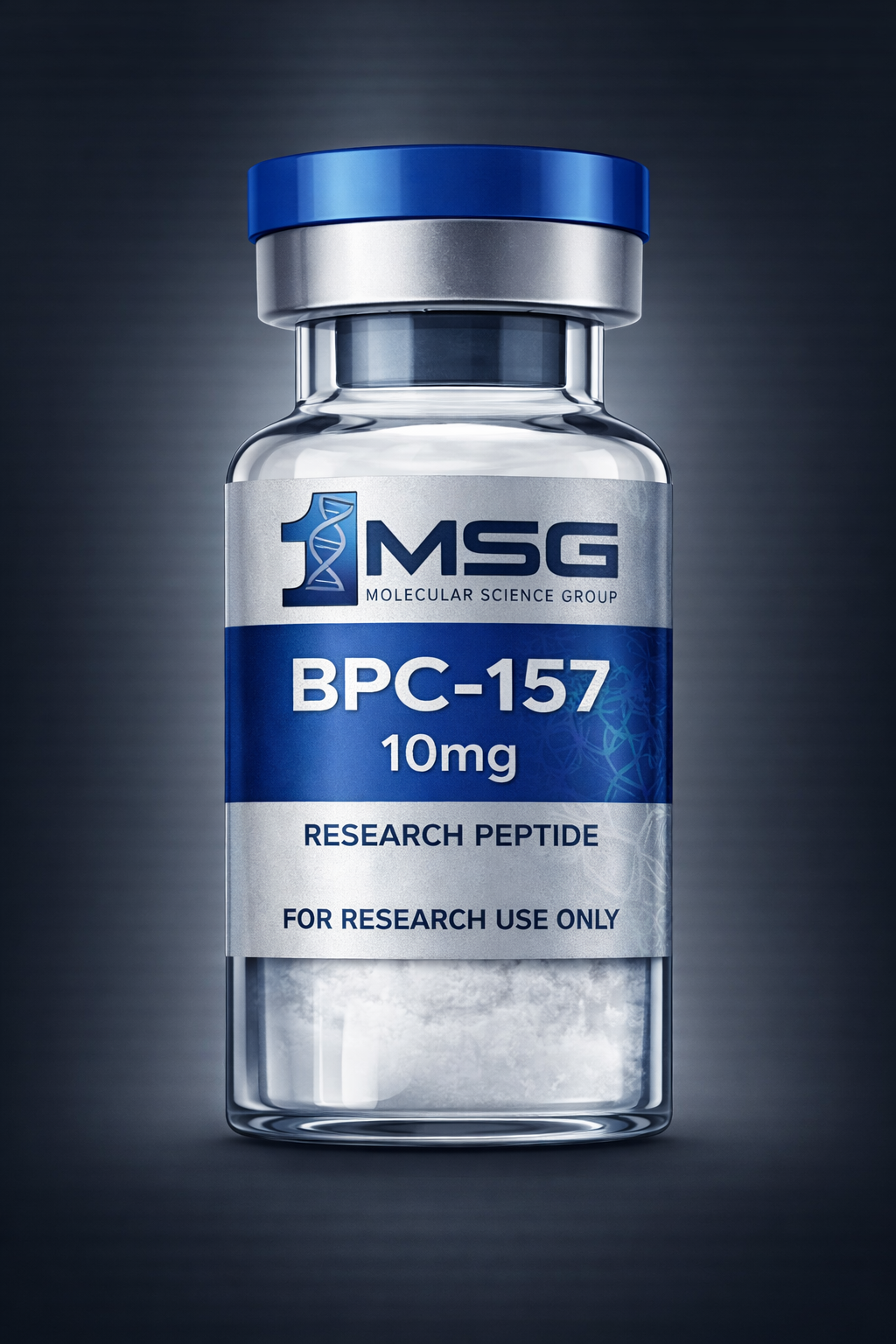
BPC-157 is a synthetic research peptide derived from a protective protein sequence associated with the stomach. In plain English, it is a lab-studied compound that has gained attention because researchers are interested in how it may interact with the body’s natural repair and signaling processes.
When people ask, “What is BPC-157?”, the simplest answer is this: it is a peptide being studied for its potential role in recovery-focused research, especially in areas involving soft tissue, digestive integrity, and cellular signaling. It is often discussed in connection with tendon, ligament, muscle, gut, and nerve-related study models.
BPC-157 has become especially popular because it is not just being looked at for one narrow purpose. Instead, it has shown broad research interest across multiple systems, which is one reason it continues to stand out in peptide discussions.
How BPC-157 Works
BPC-157 is being studied for how it may influence several pathways linked to repair, resilience, and communication between cells. While research is still developing, scientists are interested in how this peptide may support normal signaling involved in tissue response and recovery.
- Peptide signaling: being studied for how it may interact with repair-related signaling pathways
- Angiogenesis interest: often discussed for its connection to blood vessel formation and circulation-related tissue support
- Soft tissue focus: researchers are interested in its role in tendon, ligament, and muscle study models
- Gut integrity attention: has gained attention for research involving the gastrointestinal environment and protective mechanisms
- Neuroprotective interest: commonly explored in discussions around nerve signaling and brain-body communication
In simple terms, BPC-157 is often talked about as a peptide that may help researchers explore how the body responds to physical stress, tissue strain, and recovery demands.
Why BPC-157 Is Getting Attention
BPC-157 has gained a strong following in research communities because it is often discussed as a versatile peptide. Unlike compounds that are mainly studied for one pathway, BPC-157 is commonly compared to broader recovery-focused peptides due to its wide range of research interest.
Researchers are interested in BPC-157 because studies have explored it in relation to:
- Tendon and ligament research
- Muscle recovery models
- Joint and connective tissue interest
- Digestive and gut barrier pathways
- Nerve and neuroprotective signaling
- General recovery and resilience research
This broad profile is a major reason customers browsing recovery and nootropic categories often stop and take a closer look at BPC-157.
Potential Benefits Being Studied
Like many advanced research peptides, BPC-157 is being studied for several possible applications. It is important to understand that these are areas of scientific interest, not guaranteed outcomes.
- Recovery support research: often discussed for tissue recovery and repair-related pathways
- Connective tissue interest: being studied in tendon, ligament, and joint-focused models
- Digestive system attention: has shown interest in studies involving gut lining and gastrointestinal resilience
- Neuroprotective discussion: commonly explored for brain-body signaling and nerve-related pathways
- Inflammatory response research: researchers are interested in how it may interact with normal inflammatory signaling
- Circulation-related mechanisms: often discussed for its connection to vascular and blood flow support in study settings
Because of this range, BPC-157 is frequently viewed as a peptide of interest for those following developments in recovery science and peptide-based research.
What Makes BPC-157 Stand Out
There are many peptides on the market, but BPC-157 stands out for a few key reasons:
- Broad research relevance: it is being studied across recovery, gut, and neuro-related categories
- Strong recognition: one of the most searched and discussed peptides in recovery-focused research
- Common comparison point: often compared to other peptides used in tissue and repair discussions
- Cross-category appeal: relevant to both Recovery and Nootropics due to interest in body and nerve signaling
- Educational demand: many customers specifically seek BPC-157 because they have heard about it in peptide research conversations
For shoppers exploring advanced compounds, BPC-157 is appealing because it combines strong name recognition with wide scientific interest.
Why Customers Are Interested in BPC-157
Most people looking at BPC-157 are not just browsing randomly. They are usually searching for a peptide that is commonly discussed for recovery, resilience, connective tissue support, and gut-related research. Others are interested because BPC-157 is often mentioned in conversations about peptide signaling, physical stress response, and neuroprotective study potential.
If you are comparing peptides and want one of the most recognized names in the recovery category, BPC-157 is often near the top of the list because of how frequently it appears in research discussions.
Research Interest Summary
BPC-157 is a research peptide that has gained attention for its broad study profile. It is commonly discussed for:
- Recovery-focused peptide research
- Tendon, ligament, and muscle study interest
- Gut and gastrointestinal pathway research
- Neuroprotective and signaling-related interest
- General tissue support and resilience discussions
For customers seeking a well-known peptide with strong visibility in both recovery and nootropic-related conversations, BPC-157 remains one of the most compelling compounds to explore.
Reviews
There are no reviews yet.