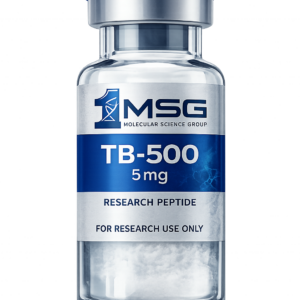

Description
What is Tirzepatide?
Tirzepatide is a synthetic peptide being studied for its effects on metabolic signaling, appetite regulation, glucose control, and body weight-related pathways. In plain English, it is a compound designed to interact with two important incretin systems in the body: GIP (glucose-dependent insulinotropic polypeptide) and GLP-1 (glucagon-like peptide-1).
That dual action is a big reason Tirzepatide has gained so much attention. Researchers are interested in it because it is not just discussed for blood sugar-related signaling, but also for how it may influence satiety, food intake, gastric emptying, and overall metabolic efficiency. In the metabolic peptide category, it is often viewed as one of the most notable compounds currently being studied.
How Tirzepatide Works
Tirzepatide is commonly described as a dual GIP/GLP-1 receptor agonist. These receptor systems are involved in how the body responds to food, manages insulin-related signaling, and regulates hunger cues.
In simple terms, researchers are interested in Tirzepatide because it may help support several metabolic processes at once:
- Appetite signaling: often discussed for helping influence fullness and reduce interest in food intake
- Glucose regulation: being studied for its role in insulin-related pathways and post-meal glucose handling
- Gastric emptying: has shown interest in studies involving the slowing of stomach emptying, which may affect satiety
- Metabolic efficiency: commonly compared to other incretin-based compounds for broader metabolic effects
- Body composition interest: researchers often discuss it in connection with weight-related outcomes and energy balance
Because Tirzepatide acts on both GIP and GLP-1 pathways, it is frequently seen as more complex than single-pathway compounds in the same category.
Why Tirzepatide Is Getting Attention
Tirzepatide has become one of the most discussed metabolic peptides because of the level of clinical interest surrounding it. Researchers are paying attention to how it may influence multiple markers at once rather than targeting only one narrow pathway.
Some of the main reasons it is getting so much attention include:
- Strong research interest in appetite and satiety signaling
- Ongoing discussion around weight-related outcomes
- Interest in glucose metabolism and insulin response
- Comparisons with other incretin compounds, especially those focused only on GLP-1 activity
- Its reputation as a next-generation metabolic peptide
For many customers browsing this category, Tirzepatide stands out because it is often discussed as a compound with broad metabolic relevance, not just a single-purpose research peptide.
Potential Benefits Being Studied
While outcomes can vary depending on the research setting, Tirzepatide has gained attention for several areas of study:
- Appetite control and satiety
- Body weight and body composition interest
- Glucose regulation and insulin-related signaling
- Metabolic health markers
- Energy intake and feeding behavior
- Cardiometabolic research interest
It is important to note that Tirzepatide is discussed because of research interest and study observations, not because any specific outcome can be guaranteed. The reason it remains popular is that it sits at the intersection of several high-interest metabolic pathways.
What Makes Tirzepatide Stand Out
There are many compounds in the metabolic category, but Tirzepatide is commonly compared to single-pathway incretin agents because of its dual receptor activity. That is one of its biggest differentiators.
What makes it stand out:
- Dual GIP + GLP-1 action rather than targeting only one incretin pathway
- High level of research and clinical attention
- Frequently discussed for appetite, glucose, and body composition in the same conversation
- Often viewed as a leading option in the metabolic peptide category
- Commonly researched by those following developments in next-generation weight and metabolism science
If you are looking through metabolic compounds and wondering why Tirzepatide appears so often in discussion, the answer is simple: researchers are interested in it because it may influence multiple interconnected systems involved in hunger, nutrient handling, and metabolic regulation.
Who Is Interested in Tirzepatide?
Tirzepatide is often sought out by customers following research related to:
- Metabolic optimization pathways
- Appetite and satiety signaling
- Body composition research
- Glucose and insulin-related mechanisms
- Comparisons between dual agonists and GLP-1-only compounds
Because of this broad interest, it has become one of the most recognized names in the metabolic category.
Important Product Perspective
Tirzepatide is best understood as a research-focused metabolic peptide that has gained attention for how it interacts with key incretin pathways. People are interested in it because it is being studied for appetite regulation, glucose handling, and weight-related metabolic effects in a way that feels more comprehensive than many older compounds.
For customers comparing advanced metabolic peptides, Tirzepatide remains a standout choice due to its dual-pathway design, strong study attention, and broad relevance to modern metabolic research.