Description
What is 5-amino-1 mq?
5-amino-1 mq, often written as 5-Amino-1MQ, is a small research molecule being studied for its effects on metabolic pathways, especially those involving how cells manage energy. It has gained attention because researchers are interested in its relationship with NNMT (nicotinamide N-methyltransferase), an enzyme often discussed in metabolism and body composition research.
In plain English, 5-amino-1 mq is being explored as a compound that may influence how efficiently the body uses energy at the cellular level. That is why it is often discussed in research circles focused on fat metabolism, energy expenditure, and broader metabolic function.
For people browsing this product, the main reason it stands out is simple: it is not just another general wellness ingredient. It is a targeted research compound that has become popular because of its specific connection to pathways involved in metabolic efficiency and body composition interest.
How 5-amino-1 mq Works
5-Amino-1MQ is commonly described as a compound being studied for its ability to influence NNMT-related activity. NNMT has drawn attention in the scientific community because it appears to be involved in how cells process nutrients, regulate methylation-related chemistry, and manage energy balance.
In simplified terms, researchers are interested in whether influencing this pathway may affect:
- Cellular energy handling
- Metabolic efficiency
- Fat storage and fat use pathways
- Glucose-related metabolic signaling
- Body composition research outcomes
This mechanism-based interest is a major reason why 5-amino-1 mq is often compared to other compounds studied for metabolic support pathways, though its research profile is distinct because of the NNMT angle.
Why 5-amino-1 mq Is Getting Attention
Researchers are interested in 5-amino-1 mq because it sits at the intersection of several high-interest areas in modern metabolic science. Instead of being discussed only in broad terms, it is often examined for a more specific biochemical target.
It has gained attention for research involving:
- Body composition interest
- Energy expenditure and calorie-use pathways
- Metabolic flexibility
- Glucose regulation interest
- Adipose tissue and fat-cell related research
That combination makes it especially appealing to customers looking for compounds that are being studied beyond surface-level weight management discussions. In research conversations, 5-amino-1 mq is often brought up because it may help scientists better understand how metabolic pathways can be influenced upstream at the enzyme level.
Potential Benefits Being Studied
While research is still evolving, 5-amino-1 mq has shown interest in studies and scientific discussion for several metabolic-related areas. These are not guaranteed outcomes, but they help explain why the compound is being watched closely.
- Support for metabolic pathway research involving energy use and nutrient handling
- Interest in body composition studies, especially where fat-related pathways are being examined
- Attention for energy expenditure research and how cells may burn or conserve energy
- Discussion around glucose and insulin-related metabolic signaling
- Interest in appetite and weight-management research contexts, where broader metabolic effects are relevant
Because of these areas of interest, 5-amino-1 mq is commonly discussed by researchers who want a compound with a more modern and mechanistically focused profile.
What Makes 5-amino-1 mq Stand Out
There are many products in the metabolism and body composition category, but 5-amino-1 mq stands out for a few key reasons:
- It is tied to a specific enzyme target, not just general stimulant-style energy discussions
- It is often discussed in advanced metabolic research rather than basic supplement conversations
- It is commonly compared to other body composition compounds, yet remains unique because of its NNMT-related mechanism
- It appeals to researchers interested in upstream metabolic regulation
That makes it a compelling catalog option for customers seeking research compounds that feel current, specific, and scientifically interesting.
Who Is Interested in 5-amino-1 mq?
5-amino-1 mq is often viewed as a compound of interest by those following research in:
- Metabolism and nutrient partitioning
- Fat-loss and body composition pathways
- Cellular energy regulation
- Glucose metabolism
- Emerging enzyme-targeted compounds
If you are looking at this product, the reason you likely care is that it represents a more targeted metabolic research approach. Rather than focusing only on surface-level energy effects, it is being studied for how it may influence deeper cellular processes connected to energy balance.
Research Use and Product Context
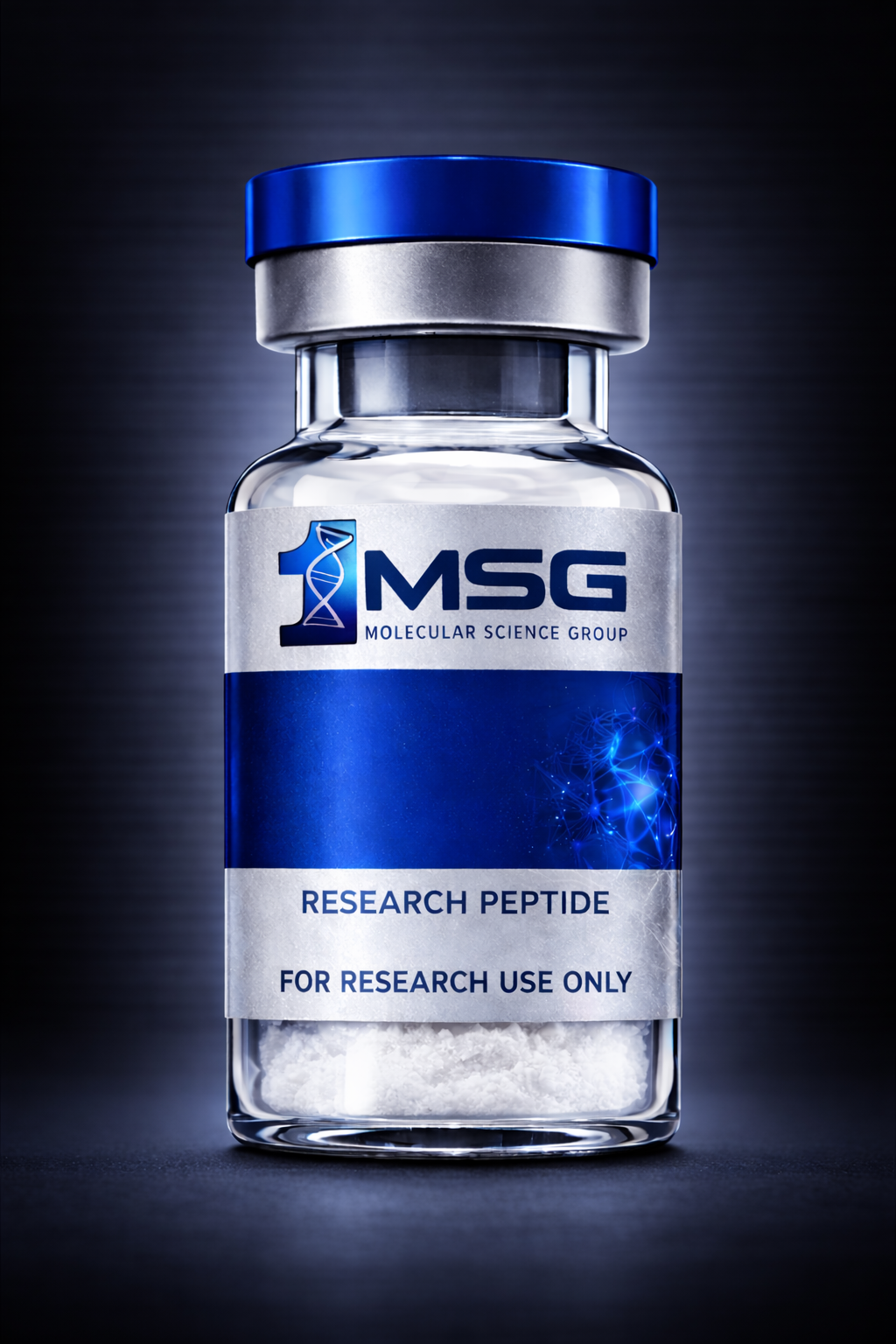
This product is offered in the Research Peptides category for laboratory and research interest. Although 5-amino-1 mq is not a peptide in the strict chemical sense, it is commonly grouped with advanced research compounds due to overlapping customer interest in performance, metabolism, and body composition studies.
As with other research compounds, interest in 5-amino-1 mq continues to grow because it offers a mechanism-focused profile that is easy to understand at a high level: researchers are studying whether influencing NNMT-related pathways may affect how the body handles energy and stored fuel.
Final Takeaway
5-amino-1 mq is a research compound being studied for its relationship to NNMT inhibition, metabolic function, energy expenditure, and body composition pathways. It has gained attention because it offers a more specific and modern angle on metabolism research than many broader compounds in the category.
For customers exploring advanced metabolic research products, 5-amino-1 mq stands out as a compound commonly discussed for fat metabolism interest, glucose regulation research, and cellular energy efficiency. Its growing visibility comes from the fact that researchers are not just asking whether it affects metabolism, but how it may do so at the pathway level.