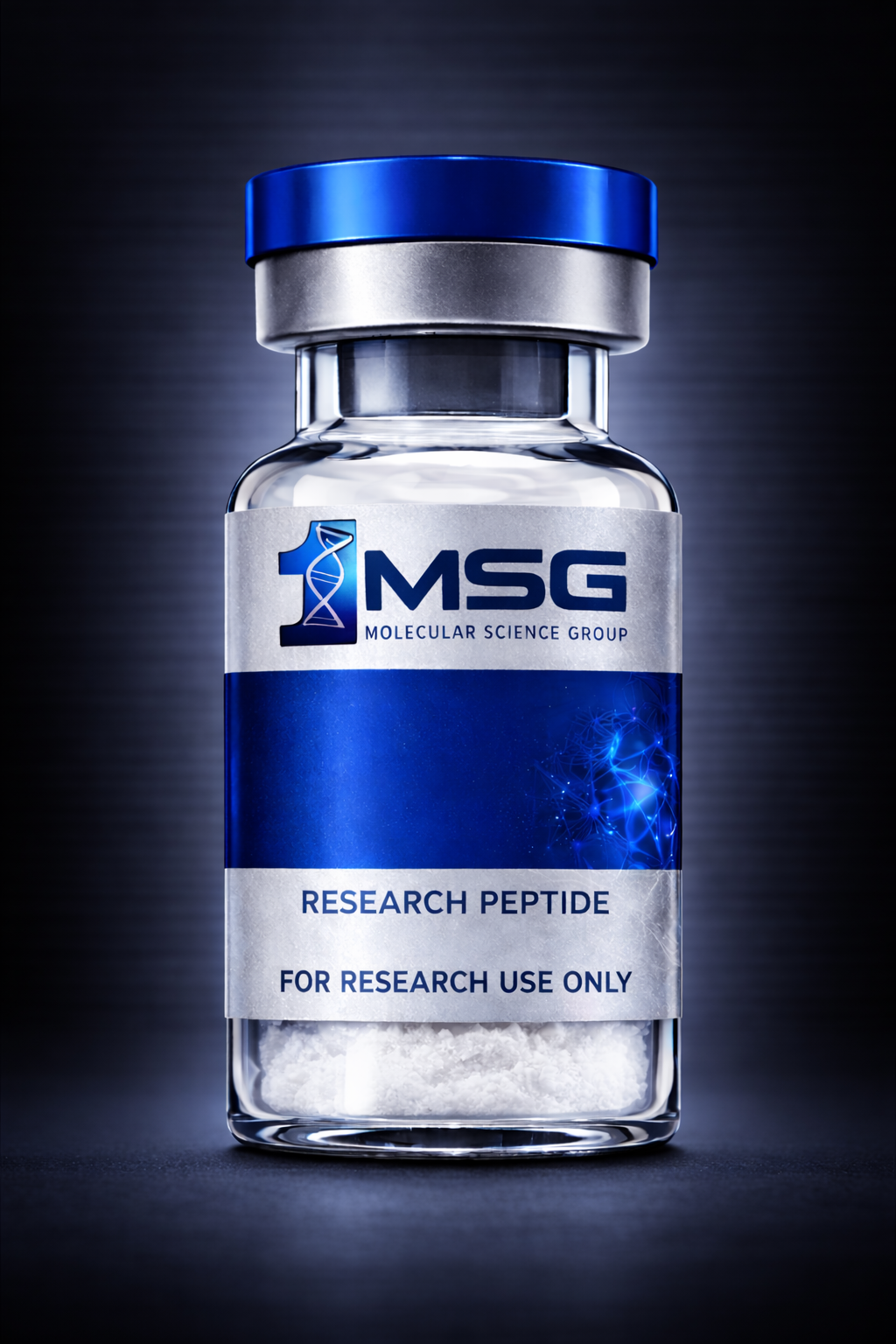
Description
What is Cagrilintide(CGL/Cag)?
Cagrilintide (CGL/Cag) is a long-acting amylin analogue being studied in the metabolic research space. In plain English, it is a peptide designed to mimic the activity of amylin, a natural hormone that is released alongside insulin and helps regulate how full the body feels after eating.
Researchers are interested in Cagrilintide because amylin-related signaling is closely connected to appetite control, meal size, gastric emptying, and glucose-related metabolic responses. That makes Cagrilintide especially relevant in discussions around satiety, weight management research, and broader metabolic support pathways.
For customers browsing metabolic compounds, the main reason Cagrilintide stands out is simple: it has gained attention for its potential to help influence fullness signals and eating behavior in a way that is different from many other compounds commonly discussed in this category.
How Cagrilintide(CGL/Cag) Works
Cagrilintide is being studied for how it interacts with amylin receptors and related signaling systems involved in appetite and metabolic regulation. Amylin is naturally part of the body’s post-meal signaling network, and researchers often look at Cagrilintide as a way to extend or strengthen that type of signal in investigational settings.
In plain terms, it is commonly discussed for its potential to:
- Support satiety signaling, helping the body register fullness more effectively
- Influence appetite regulation and reduce interest in continued food intake in study models
- Slow gastric emptying, which may contribute to a longer-lasting feeling of fullness
- Play a role in glucose-related metabolic signaling as part of broader post-meal regulation
- Complement other metabolic pathways that researchers monitor in body composition and weight-management studies
Because of these mechanisms, Cagrilintide is often compared to other compounds being studied for appetite and metabolic support, though its amylin-focused profile gives it a distinct place in the category.
Why Cagrilintide(CGL/Cag) Is Getting Attention
Cagrilintide has gained attention because researchers are increasingly focused on multi-pathway approaches to metabolic regulation. Rather than looking only at one signal involved in hunger or glucose balance, current clinical interest often centers on compounds that may influence several related processes at once.
Cagrilintide is often discussed for its relevance to:
- Appetite and satiety research
- Body weight and body composition studies
- Meal-size regulation
- Metabolic efficiency and energy balance
- Combination research strategies involving other peptide pathways
One reason people browsing this product care about it is that it is commonly compared to other high-interest metabolic peptides, especially in conversations about fullness, reduced food drive, and modern obesity-related research models. Its profile has made it a frequent topic in peptide and metabolic study discussions.
Potential Benefits Being Studied
While research is ongoing, Cagrilintide has shown interest in studies for several metabolic-related areas. These are not guaranteed outcomes, but they help explain why the compound is receiving so much attention.
- Appetite regulation and reduced drive to eat
- Enhanced satiety after meals
- Support for body weight management research
- Interest in glucose regulation pathways
- Potential relevance to energy intake control
- Use in combination-focused metabolic investigations
Researchers are especially interested in whether amylin-based compounds like Cagrilintide may provide a useful complement to other metabolic signaling approaches, particularly where hunger control and adherence to calorie-controlled protocols are being studied.
What Makes Cagrilintide(CGL/Cag) Stand Out
What makes Cagrilintide stand out is its focus on amylin-mimetic signaling. Many metabolic compounds get attention for glucose-related pathways or incretin-related activity, but Cagrilintide is commonly discussed because it targets a different but highly relevant part of the appetite-regulation system.
Standout points include:
- Long-acting design for sustained research interest
- Strong relevance to satiety and fullness signaling
- Frequent comparison with other metabolic peptides
- Growing clinical interest in weight-management related research
- Useful positioning in multi-pathway metabolic studies
For those exploring the metabolic category, Cagrilintide is appealing because it is not just another general peptide listing. It is a compound with a clear research identity: appetite, satiety, and metabolic regulation.
Who Is Interested in Cagrilintide(CGL/Cag)?
Cagrilintide is commonly followed by researchers and informed buyers interested in:
- Peptide-based metabolic research
- Appetite and satiety signaling pathways
- Body composition and weight-management models
- Glucose-related metabolic studies
- Compounds often discussed in next-generation obesity research
If you are looking through metabolic products and want a compound with strong relevance to fullness signaling and eating behavior research, Cagrilintide is one of the more talked-about options in this space.
Important Research Perspective
Cagrilintide is sold for research and investigational purposes. It is being studied for metabolic and appetite-related pathways, and interest in the compound continues to grow as more attention is placed on peptide-based approaches to energy balance, satiety, and body weight regulation.
In short, Cagrilintide(CGL/Cag) is a long-acting amylin analogue that has gained attention for being studied in connection with appetite control, satiety, metabolic signaling, and weight-management research. That combination of clarity, relevance, and growing clinical interest is exactly why it stands out in the metabolic category.