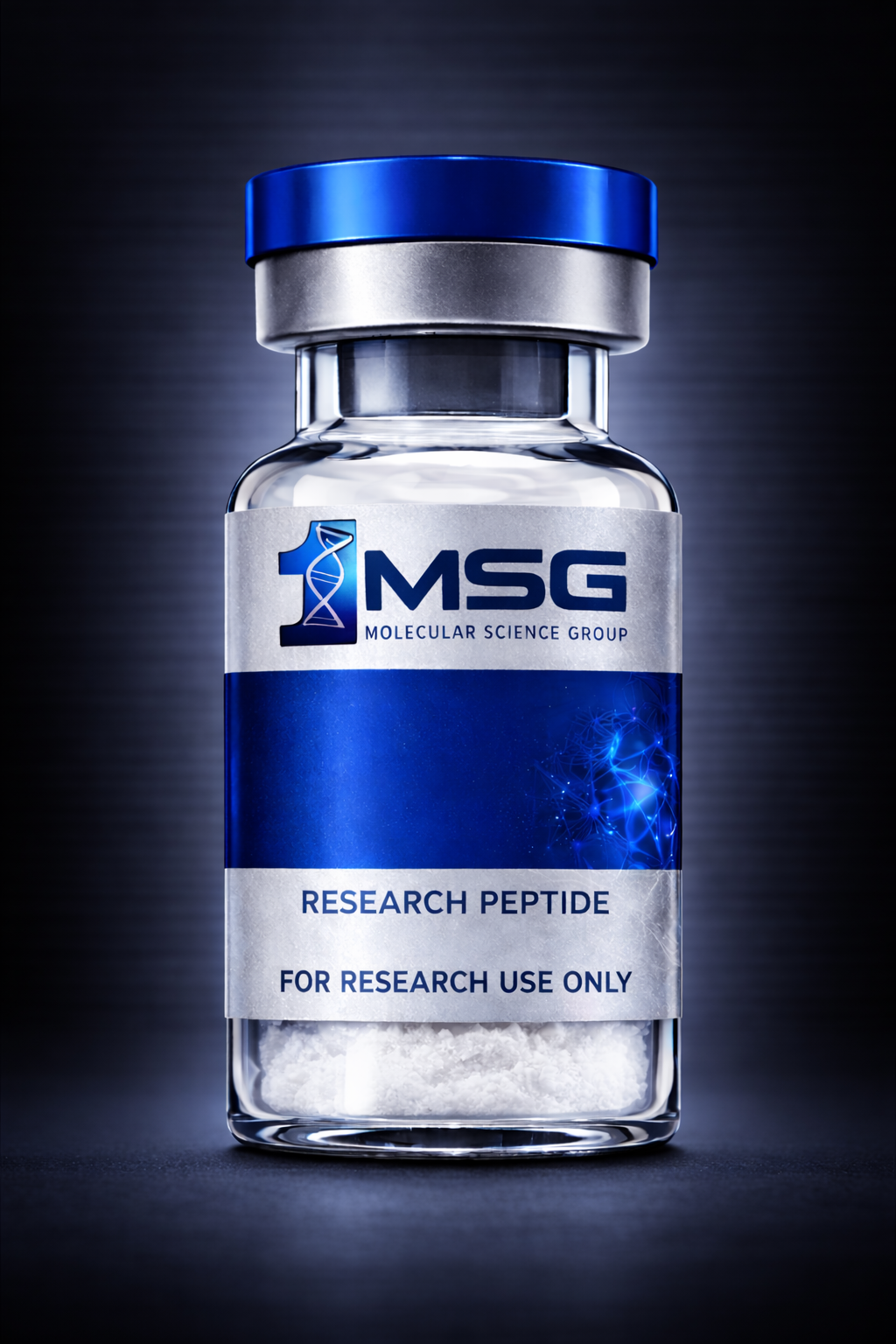
Description
What is KPV?
KPV is a short peptide made up of three amino acids: Lysine-Proline-Valine. It is a naturally derived fragment associated with alpha-MSH-related research and has gained attention for its potential role in inflammatory signaling, gut-related research, and recovery-focused applications. In plain English, KPV is a very small peptide that researchers study because it may help influence how the body responds to irritation, immune activity, and barrier stress.
What makes KPV especially interesting is that it is a minimal peptide fragment. Instead of being a large, complex chain, it is a compact sequence that is often discussed for its targeted research profile. Customers browsing KPV are usually looking for a peptide that is commonly compared to broader recovery compounds but with specific attention on digestive comfort, tissue environment balance, and inflammatory pathway research.
How KPV Works
KPV is being studied for how it may interact with inflammatory and immune-related signaling. While research is still evolving, scientists are interested in KPV because it appears to be associated with pathways involved in calming excessive inflammatory responses and supporting a healthier local tissue environment.
In simple terms, researchers are looking at whether KPV may help the body respond more efficiently to irritation and stress signals, especially in areas like the gut lining, skin environment, and general recovery-related contexts.
- Inflammatory signaling interest: Often discussed for its potential relationship with cytokine and immune-response pathways.
- Barrier support research: Has gained attention in studies involving gut lining and tissue integrity.
- Localized recovery interest: Commonly explored where irritation, stress, or tissue disruption are part of the research focus.
- Compact peptide structure: Researchers often value KPV for being a short, highly specific peptide fragment.
Why KPV Is Getting Attention
KPV has become increasingly popular in peptide discussions because it sits at the intersection of recovery, gut interest, and immune signaling research. Many people looking into peptides are not just interested in muscle or performance pathways—they are also exploring compounds being studied for internal balance, digestive resilience, and inflammatory regulation.
KPV is often discussed in these conversations because:
- It has shown interest in studies involving gastrointestinal and mucosal environments.
- Researchers are interested in its potential to support a more balanced response to inflammatory triggers.
- It is commonly compared to broader recovery peptides when the goal is more focused study attention on gut and tissue comfort.
- Its small size makes it stand out as a peptide with a simple but highly discussed profile.
Potential Benefits Being Studied
KPV is not marketed as a treatment or cure, but it is being studied for several research areas that make it appealing to peptide buyers and research-focused customers.
- Gut health research: Often discussed for digestive comfort, intestinal barrier interest, and local inflammatory balance.
- Recovery support interest: Has gained attention for helping support a healthier tissue environment during recovery-focused research.
- Immune signaling research: Researchers are interested in how KPV may influence inflammatory messengers and immune activity.
- Skin and surface-level research: Sometimes explored in studies involving irritated or stressed tissue environments.
- Barrier integrity attention: Commonly mentioned in conversations around mucosal support and tissue resilience.
What Makes KPV Stand Out
There are many peptides in the recovery category, but KPV stands out for a few clear reasons. First, it is simple: just three amino acids. Second, it is highly targeted in research conversations, especially compared with larger peptides that have broader or less specific interest areas. Third, it has become a go-to compound for people specifically interested in gut-focused peptide research.
KPV is often chosen by customers who want a peptide that is:
- Compact and easy to understand
- Frequently discussed for inflammatory balance research
- Associated with gut and barrier-related study interest
- Relevant to recovery-focused peptide catalogs
Who Is Interested in KPV?
KPV typically attracts customers and researchers who are exploring peptides beyond the usual performance-focused categories. It is especially relevant for those interested in:
- Digestive and gut-environment research
- Recovery and tissue-comfort discussions
- Immune and inflammatory pathway study
- Peptides commonly compared for barrier-support interest
If you are browsing recovery peptides and want something that is often discussed for gut-focused research attention, inflammatory signaling, and tissue environment support, KPV is one of the most recognizable names in that niche.
Final Overview
In summary, KPV is a three-amino-acid peptide fragment being studied for its potential role in inflammatory balance, gut-related research, barrier support, and recovery-focused applications. It has gained attention because it is small, targeted, and frequently discussed in peptide research circles for areas where tissue irritation and immune signaling matter. For customers looking for a peptide with strong research interest and a clear identity, KPV is a standout option in the recovery category.