
Description
What is MelanotanⅠ(MT-1)?
MelanotanⅠ (MT-1) is a synthetic peptide designed to mimic the activity of naturally occurring melanocortin signaling molecules in the body. In plain English, it is a lab-made compound that researchers study because it interacts with pathways involved in melanin production—the pigment responsible for skin, hair, and eye coloration.
MT-1 is best known for being studied in connection with pigmentation and UV-response biology. It has gained attention because researchers are interested in how melanocortin receptor activity may influence visible tanning response, skin pigmentation patterns, and other downstream signaling effects tied to melanocyte function.
For customers browsing research peptides, MelanotanⅠ is often one of the first names they recognize because it sits at the intersection of cosmetic research interest, peptide signaling, and pigment-related biology.
How MelanotanⅠ(MT-1) Works
MelanotanⅠ is being studied for its interaction with melanocortin receptors, especially pathways associated with melanin synthesis. These receptors are involved in signaling processes that can affect how pigment-producing cells respond to internal and external cues.
In simple terms, researchers are interested in MT-1 because it may help activate biological signals linked to:
- Melanin production in melanocytes
- Pigmentation response following UV exposure
- Skin-related peptide signaling
- Melanocortin pathway activity in cosmetic and biological research models
This is why MT-1 is commonly discussed in studies focused on tanning biology, pigmentation mechanisms, and peptide-based cosmetic research interest.
Why MelanotanⅠ(MT-1) Is Getting Attention
MelanotanⅠ has remained relevant because it is one of the most recognized peptides associated with pigmentation research. Researchers are interested in it not only for visible pigment-related outcomes, but also for what it may reveal about melanocortin signaling more broadly.
It is often discussed for:
- Its connection to sunless tanning and pigmentation research
- Its role in studies examining melanocyte stimulation
- Its place in ongoing conversations around cosmetic peptide science
- Its historical importance as a well-known melanocortin analog
Because of this, MT-1 is commonly compared to other melanocortin peptides when researchers want to evaluate differences in receptor activity, pigmentation response, and overall research profile.
Potential Benefits Being Studied
MelanotanⅠ is being studied for several areas of interest related to pigmentation and skin-response biology. While research discussions vary, common areas of attention include:
- Support for melanin-related signaling
- Interest in pigmentation enhancement pathways
- Study attention for UV-response and skin adaptation mechanisms
- Cosmetic research interest involving tone and pigment appearance
- Broader melanocortin pathway exploration
Researchers often focus on MT-1 because it offers a targeted way to study how peptide signaling may influence pigment biology in a more direct and specialized manner than many general compounds.
What Makes MelanotanⅠ(MT-1) Stand Out
There are many research peptides on the market, but MelanotanⅠ stands out because of its specific association with pigmentation-focused peptide research. It is not a generic wellness compound—it is a peptide with a very recognizable niche.
Key reasons it continues to attract interest include:
- Strong name recognition in peptide research circles
- Direct relevance to melanin and pigmentation pathways
- Frequent comparison with other melanocortin-based compounds
- Ongoing interest in cosmetic and skin-related study models
- Useful research value for those exploring receptor-driven pigment signaling
For many customers, that makes MT-1 appealing because it is easy to understand at a high level: it is a peptide being studied for how it may influence the body’s pigment-related signaling systems.
Why Customers Search for MelanotanⅠ
People looking up MelanotanⅠ are usually not searching for a random peptide—they are specifically interested in a compound linked to tanning, pigmentation, melanocyte activity, and melanocortin receptor research. That focused interest is exactly why MT-1 remains a staple in the research peptide category.
If you are comparing peptide options, MelanotanⅠ is often viewed as a classic pigment-related research compound with long-standing recognition and a clear biological theme.
Important Research Context
MelanotanⅠ is intended for research use. Discussions around this peptide typically center on laboratory investigation, receptor signaling, and pigmentation-related study interest. It should be evaluated within an appropriate research framework and not as a guaranteed outcome product.
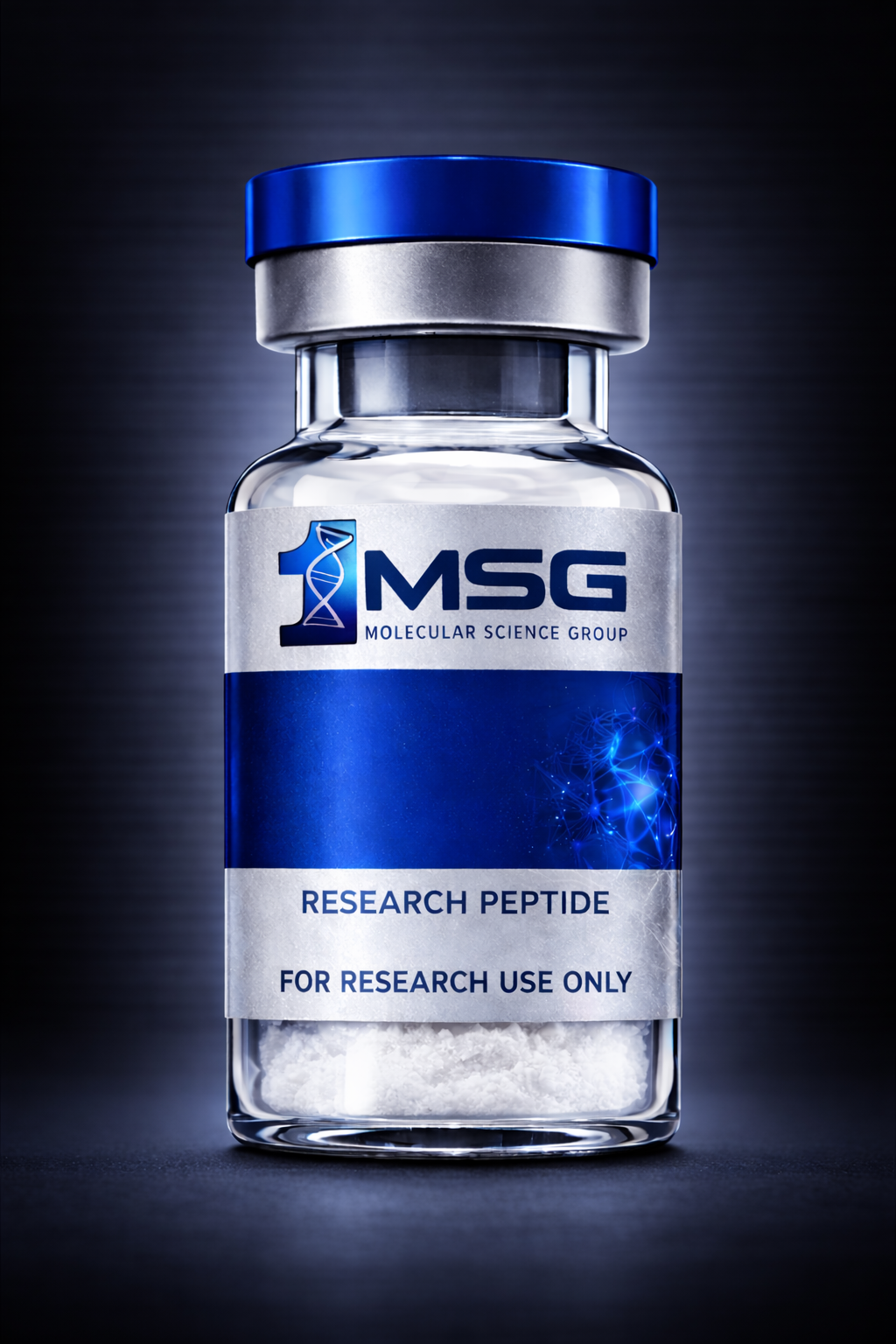
1MSG Molecular Science Group offers MelanotanⅠ (MT-1) for customers seeking a well-known peptide that continues to generate attention in melanocortin and pigmentation-focused research discussions.
Reviews
There are no reviews yet.