
Description
What is P21 (P021)?
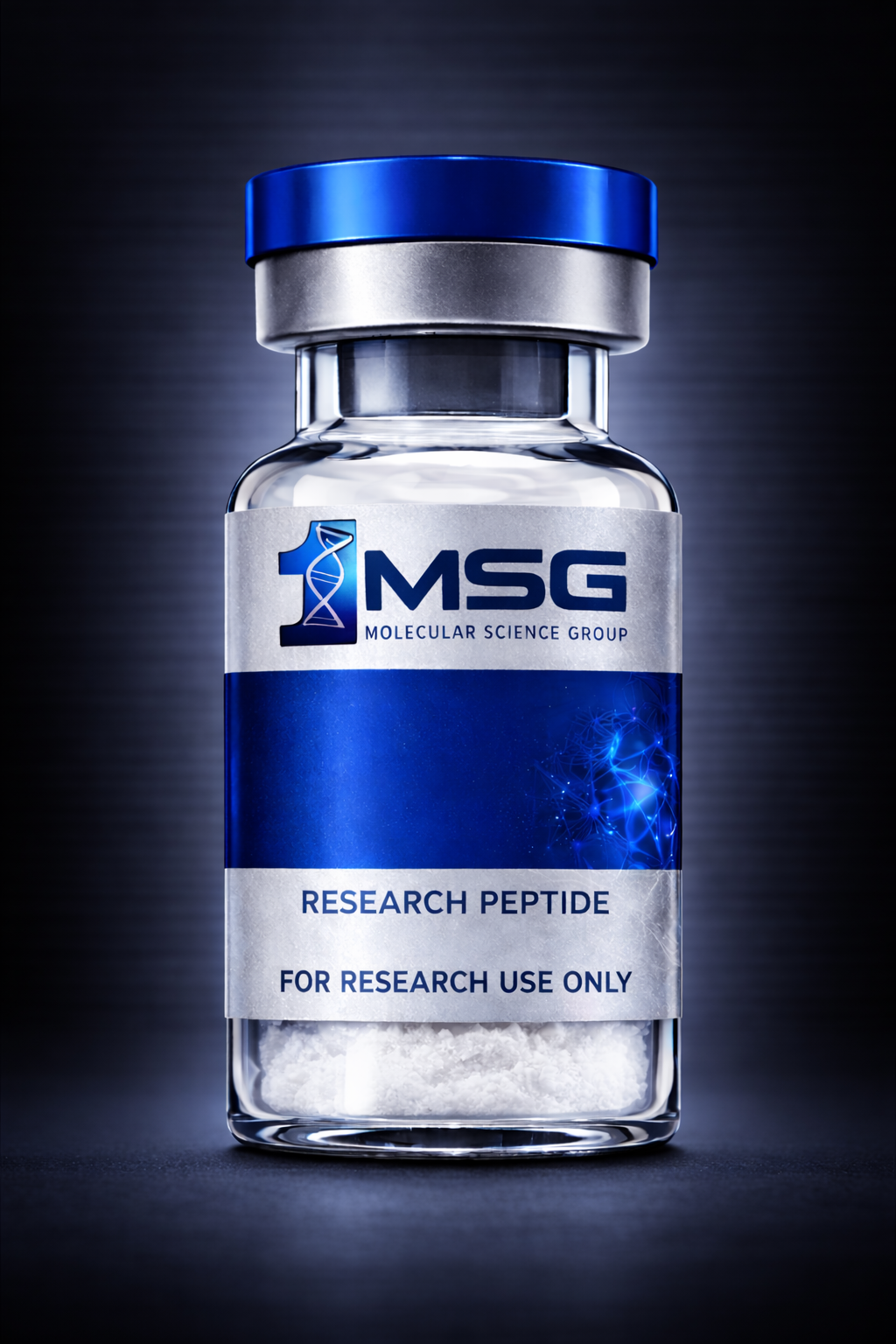
P21 (also written as P021) is a peptide-based nootropic compound being studied for its potential effects on the brain, especially in areas related to memory, learning, neuroplasticity, and neuronal support. In simple terms, it is a research compound that has gained attention because scientists are interested in how it may help support the kinds of signaling involved in healthy brain function.
P21 is often discussed in the context of cognition-focused research and is commonly compared to other advanced nootropics and neurotrophic compounds. What makes it especially interesting is that it is not just talked about for short-term focus alone, but also for broader research interest in brain resilience, synaptic health, and age-related cognitive changes.
How P21 (P021) Works
While research is still developing, P21 has shown interest in studies for its potential influence on pathways associated with neurotrophic activity and the brain’s ability to maintain healthy communication between neurons. Plainly put, researchers are interested in whether it may help support the environment the brain uses to form, protect, and strengthen connections.
- Neuroplasticity support: being studied for how it may relate to the brain’s ability to adapt and form new connections
- Memory-related signaling: often discussed for pathways involved in learning and recall
- Synaptic function: researchers are interested in how it may support communication between nerve cells
- Neuroprotective interest: has gained attention for potential roles in protecting neuronal structure and function in studies
- Brain aging research: commonly explored in discussions around age-related cognitive decline and resilience
Rather than being viewed as a simple stimulant, P21 is more often talked about as a research peptide with broader cognitive and neuro-support interest.
Why P21 (P021) Is Getting Attention
P21 has gained attention because many researchers are looking beyond basic nootropics and toward compounds that may interact with deeper brain-support mechanisms. Interest in this peptide comes from its association with pathways tied to neuronal maintenance, cognitive performance, and long-term brain health research.
People browsing nootropic compounds often care about whether a product is being discussed for:
- Learning and memory research
- Focus and cognitive clarity
- Neuroprotection and brain resilience
- Healthy aging and cognitive maintenance
- Synaptic and neurotrophic support
P21 stands out because it is often discussed in a more mechanism-driven way than many general nootropics. That makes it especially appealing to customers interested in peptide science and next-generation cognition research.
Potential Benefits Being Studied
As a research compound, P21 is being studied for several areas of interest related to brain performance and support. These are study areas, not guaranteed outcomes.
- Cognitive function: has shown interest in studies related to memory and learning processes
- Neuronal support: being studied for its potential role in maintaining healthy brain-cell signaling
- Synaptic health: often discussed for supporting the structures involved in communication between neurons
- Neuroplasticity: researchers are interested in whether it may help support adaptive brain function
- Age-related cognitive research: commonly explored in models involving cognitive decline and brain aging
- Brain resilience: has gained attention for possible neuroprotective relevance in preclinical discussions
What Makes P21 (P021) Stand Out
There are many nootropics on the market, but P21 is often viewed differently because it is associated with peptide signaling and neurotrophic research rather than only surface-level stimulation. Customers looking at P21 are usually interested in compounds that are discussed for deeper cognitive support mechanisms, not just temporary alertness.
- Peptide-based nootropic interest rather than a standard stimulant profile
- Frequently discussed in neuroplasticity research
- Commonly compared to advanced cognition-support compounds
- Relevant to memory, learning, and brain-aging discussions
- Appeals to researchers focused on neuronal signaling pathways
If you are exploring nootropics because you want something with serious research interest behind cognition, synaptic function, and neuroprotection, P21 (P021) is one of the compounds that continues to attract attention.
Important Research Context
P21 (P021) is sold for research purposes. Interest in this compound comes from preclinical and exploratory scientific discussion, and it should be understood within that context. Researchers are interested in it because of its potential relationship to brain-support pathways, but ongoing study is still important for understanding its full profile.
For customers browsing the catalog, the key takeaway is simple: P21 is a peptide nootropic being studied for memory, learning, neuroplasticity, and neuroprotective support, which is why it has become a notable name in advanced nootropic research.
Reviews
There are no reviews yet.