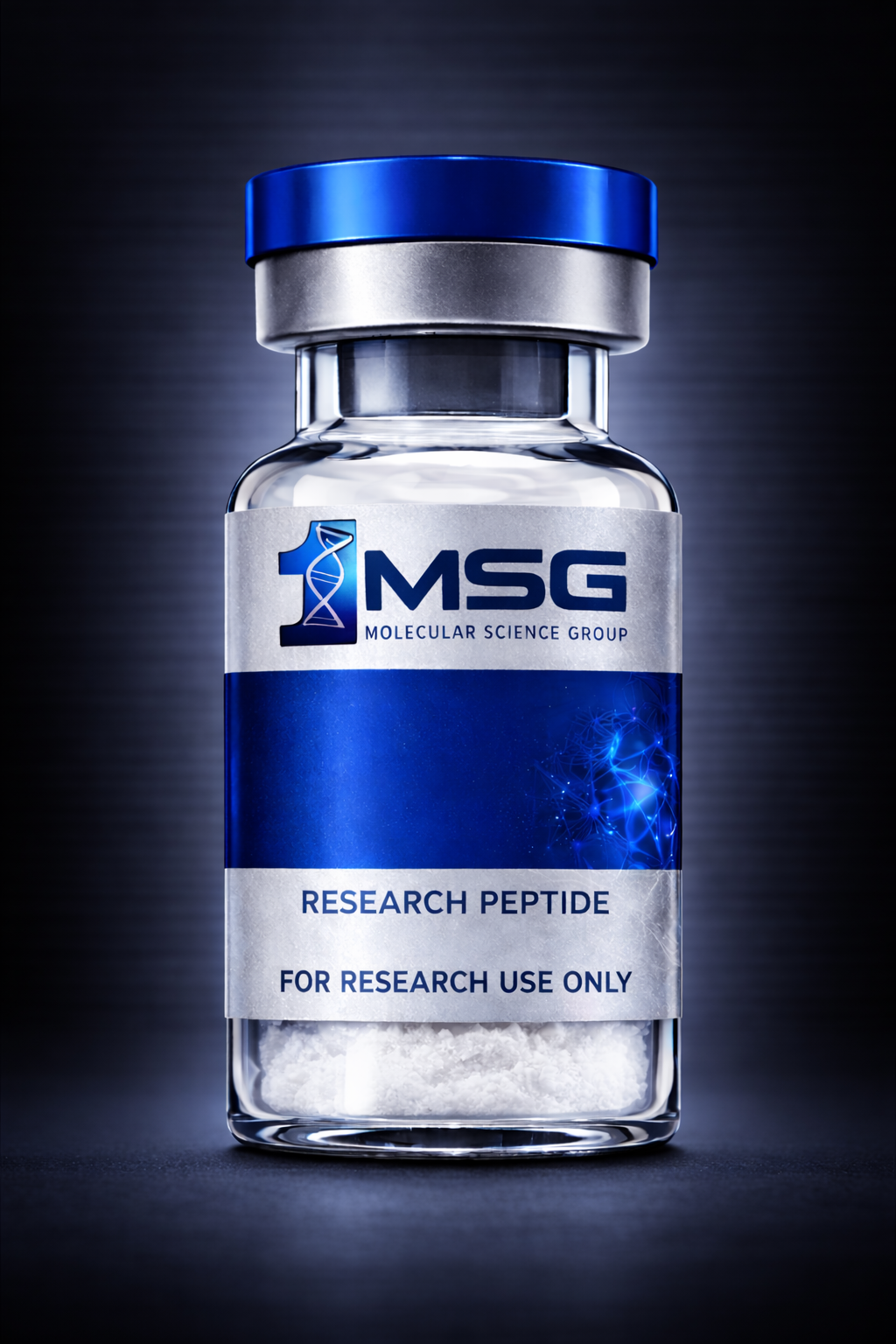
Description
What is Pinealon(Pin)?
Pinealon (Pin) is a short research peptide made up of three amino acids: glutamic acid, aspartic acid, and arginine. In plain English, it is a small peptide compound that researchers study because short peptides like this may interact with cellular signaling systems in ways that are relevant to brain health, aging biology, and stress-related cellular function.
Pinealon has gained attention in peptide research because it is often discussed in connection with neuroprotection, cognitive function, and healthy aging pathways. Researchers are interested in how compounds like Pinealon may influence gene expression, oxidative balance, and the way cells respond to age-related stress. While it is not presented as a treatment or guaranteed solution, it remains a peptide of interest in exploratory and preclinical discussions.
How Pinealon(Pin) Works
In simple terms, Pinealon is being studied for how it may help researchers understand communication inside cells, especially in tissues related to the nervous system. Short peptides are often investigated for their ability to interact with regulatory pathways that influence how cells function, adapt, and respond to stress.
Pinealon is commonly discussed for possible involvement in:
- Cellular signaling related to neuronal and age-associated processes
- Gene expression support in research models focused on cellular regulation
- Oxidative stress response and cellular resilience interest
- Neuroprotective pathways often studied in cognitive and aging research
- Peptide-based regulation of normal cellular activity
Rather than acting like a stimulant or broad-spectrum compound, Pinealon is typically viewed as a targeted research peptide with interest centered on subtle regulatory effects at the cellular level.
Why Pinealon(Pin) Is Getting Attention
Pinealon has gained attention because researchers continue to explore compounds that may help clarify how aging, stress, and neurological function are connected. In that context, Pinealon is often discussed as a peptide of interest for studying brain-related cellular health and the maintenance of normal cellular function over time.
Researchers are interested in Pinealon because it is:
- A short peptide with focused research relevance
- Often discussed in healthy aging and longevity-related conversations
- Commonly compared to other bioregulatory peptides studied for cellular maintenance
- Associated with study interest in cognition, neuronal resilience, and stress adaptation
- Relevant to broader peptide discussions involving gene regulation and tissue-specific signaling
For customers browsing research peptides, Pinealon stands out because it is not just another general-use compound. It is a peptide that has built interest around a more specialized theme: how small signaling molecules may influence the biology of aging and neurological function.
Potential Benefits Being Studied
Pinealon is being studied in research settings for several areas of interest. These are not claims of proven outcomes, but they help explain why the compound continues to attract attention.
- Cognitive function interest – often discussed for attention related to memory, focus, and mental performance research
- Neuroprotective study relevance – has shown interest in studies involving neuronal support and cellular defense mechanisms
- Healthy aging pathways – commonly explored in age-related cellular and regulatory research
- Oxidative balance – researchers are interested in how it may relate to stress-response systems inside cells
- Cellular resilience – often discussed for its potential role in maintaining normal cell function under stress conditions
Because of these areas, Pinealon is often viewed as a peptide with crossover interest between nootropic research, longevity discussions, and peptide signaling studies.
What Makes Pinealon(Pin) Stand Out
One reason Pinealon stands out is its simplicity. As a very short peptide, it appeals to researchers interested in minimalistic compounds that may still have meaningful biological signaling relevance. It is also notable because it is often grouped with peptides studied for regulatory rather than purely performance-oriented effects.
Compared with more commonly discussed research peptides, Pinealon is often valued for:
- Specialized neurobiology interest
- Healthy aging and cellular maintenance relevance
- Short peptide structure that fits bioregulator research themes
- Growing attention in discussions around peptide-based cognitive and longevity science
This makes Pinealon appealing to those looking for a research peptide that feels more targeted, more intellectually interesting, and more aligned with advanced peptide study categories.
Who Is Interested in Pinealon(Pin)?
Pinealon is commonly explored by customers and researchers interested in:
- Research peptides connected to brain and cognitive pathways
- Compounds being studied for healthy aging
- Peptide signaling and gene expression research
- Short bioregulatory peptides with specialized scientific interest
If you are comparing research peptides and want something with relevance beyond basic performance discussions, Pinealon is often considered a compelling option because of its connection to neuroprotection, cellular regulation, and age-related research interest.
Important Research Note
Pinealon (Pin) is offered for research purposes only. It is not intended to diagnose, treat, cure, or prevent any disease. Discussions around benefits reflect areas of scientific interest, preclinical attention, and ongoing study themes rather than guaranteed effects or approved medical uses.