
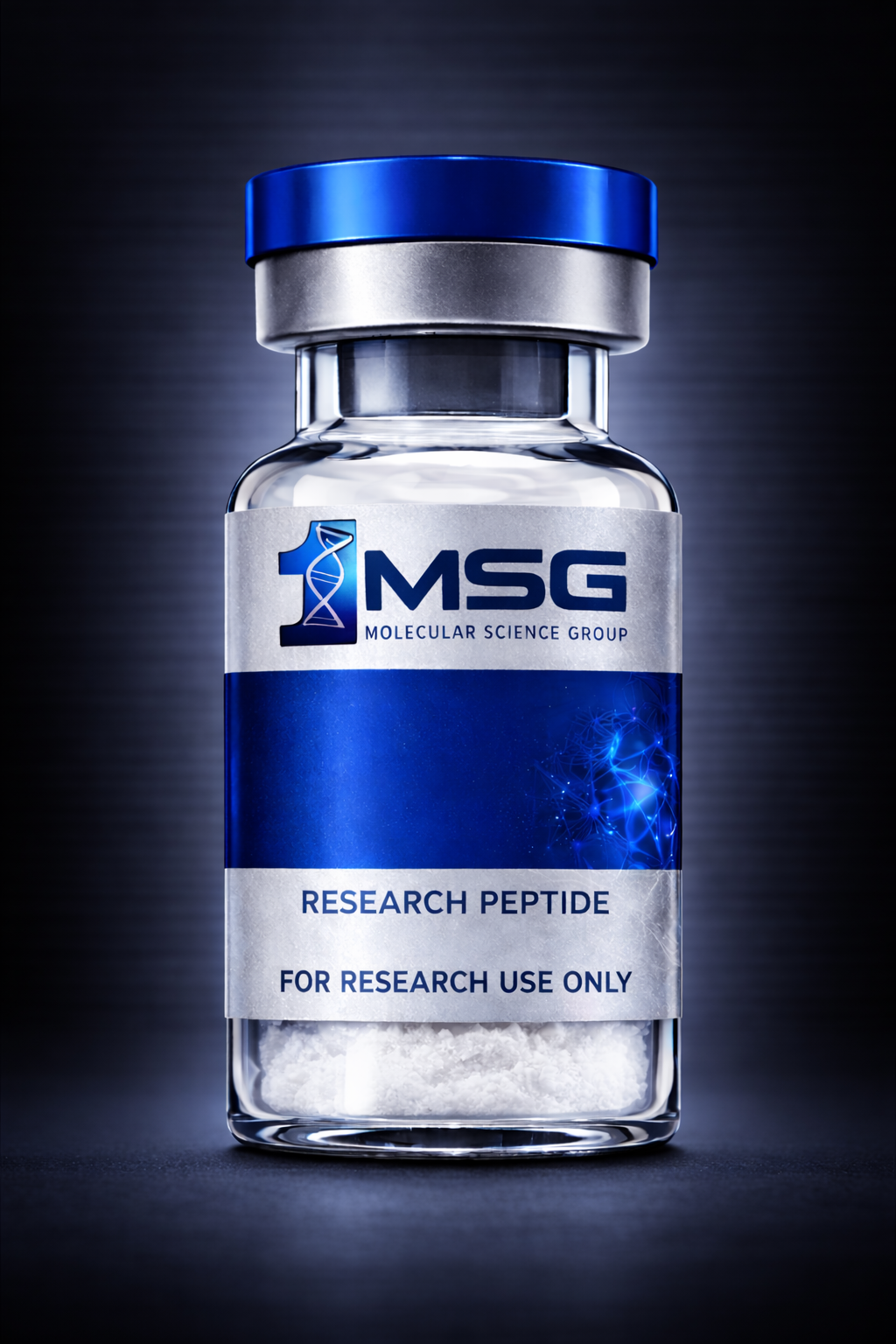
Description
What is SLU-PP-322?
SLU-PP-322 is a research peptide that has gained attention for its potential relevance in metabolic and body composition research. In plain English, it is the kind of compound researchers look at when they want to better understand how peptide signaling may influence processes like energy use, appetite-related pathways, glucose handling, and fat metabolism.
People browsing this category are usually looking for compounds that are being studied for how they may affect the body’s internal regulation of fuel use. That is why SLU-PP-322 is getting noticed. Researchers are interested in it not because it is a generic peptide, but because it is often discussed in connection with metabolic efficiency, energy expenditure, and weight-related research interest.
How SLU-PP-322 Works
While research is still developing, SLU-PP-322 is being studied for how it may interact with pathways involved in metabolic signaling. Rather than thinking of it as a simple stimulant or basic lab compound, it is better understood as a peptide of interest for how it may help researchers examine the body’s communication systems related to energy balance.
In practical terms, researchers are often interested in whether compounds like SLU-PP-322 may influence:
- Appetite-related signaling and feeding behavior pathways
- Energy expenditure and how efficiently the body uses stored fuel
- Glucose regulation and nutrient partitioning mechanisms
- Body composition research, including fat-mass and lean-mass interest areas
- Metabolic adaptation during changing energy demands
This is one reason SLU-PP-322 has gained attention. It fits into a broader research conversation around how peptide-based compounds may help explore the balance between calorie intake, calorie use, and metabolic flexibility.
Why SLU-PP-322 Is Getting Attention
SLU-PP-322 is getting attention because metabolic research remains one of the most active areas in peptide science. Researchers are constantly looking for compounds that may help clarify how the body regulates hunger, energy output, glucose response, and body weight trends.
SLU-PP-322 is often discussed by those following:
- Weight-management research models
- Metabolic syndrome-related pathways
- Energy balance and nutrient utilization studies
- Body composition and fat-loss mechanism research
- Peptide signaling comparisons with other metabolism-focused compounds
That does not mean outcomes are guaranteed, and it should not be viewed as a cure or treatment. What it does mean is that SLU-PP-322 has become interesting because it may offer a useful way to study how peptide signaling connects to broader metabolic function.
Potential Benefits Being Studied
Researchers are interested in SLU-PP-322 for several reasons. The compound has gained attention for possible relevance in studies involving:
- Appetite and satiety signaling
- Energy expenditure and metabolic rate interest
- Glucose regulation and insulin-related pathways
- Body composition support mechanisms
- Fat metabolism and nutrient handling
- General metabolic resilience under changing conditions
These are the kinds of topics that matter to customers browsing research peptides because they reflect the real reasons a compound enters the conversation. SLU-PP-322 is not simply another catalog listing. It is a peptide being studied for pathways that many researchers consider highly relevant to modern metabolic science.
What Makes SLU-PP-322 Stand Out
What makes SLU-PP-322 stand out is the combination of research relevance, metabolic focus, and growing interest in peptide-based regulation. Many compounds are commonly compared based on whether they are being studied for appetite, glucose balance, or body composition. SLU-PP-322 stands out because it is part of a category that researchers often watch closely when evaluating next-generation metabolic signaling tools.
Key reasons it stands out include:
- Strong relevance to metabolic research themes
- Interest in appetite and energy-balance pathways
- Common discussion around body composition applications
- Potential value in comparative peptide research
- Growing visibility among researchers focused on weight-related mechanisms
For customers exploring research peptides, that matters. It means SLU-PP-322 is not just being viewed as a niche compound, but as one that may help support deeper investigation into how the body manages fuel, hunger signals, and metabolic output.
Who Is Interested in SLU-PP-322?
SLU-PP-322 is commonly of interest to researchers focused on:
- Metabolism and obesity-related pathways
- Energy expenditure and thermogenic signaling
- Glucose and nutrient regulation
- Body composition and fat-mass research
- Comparative peptide mechanism studies
Because of this, it is often searched by customers looking for a peptide that aligns with modern metabolic research priorities rather than older, more generic categories of compounds.
Important Research Context
SLU-PP-322 is sold for research use only. It is not approved to diagnose, treat, cure, or prevent any disease. Any discussion of benefits refers to areas of scientific interest and ongoing study, not established medical outcomes. Researchers should evaluate current literature, intended study design, and proper handling procedures before use in any laboratory setting.
In short, SLU-PP-322 is a peptide that has gained attention because it is being studied for how it may relate to metabolism, appetite signaling, energy expenditure, and body composition research. That combination is exactly why it continues to attract interest in the research peptide space.
Reviews
There are no reviews yet.