
Description
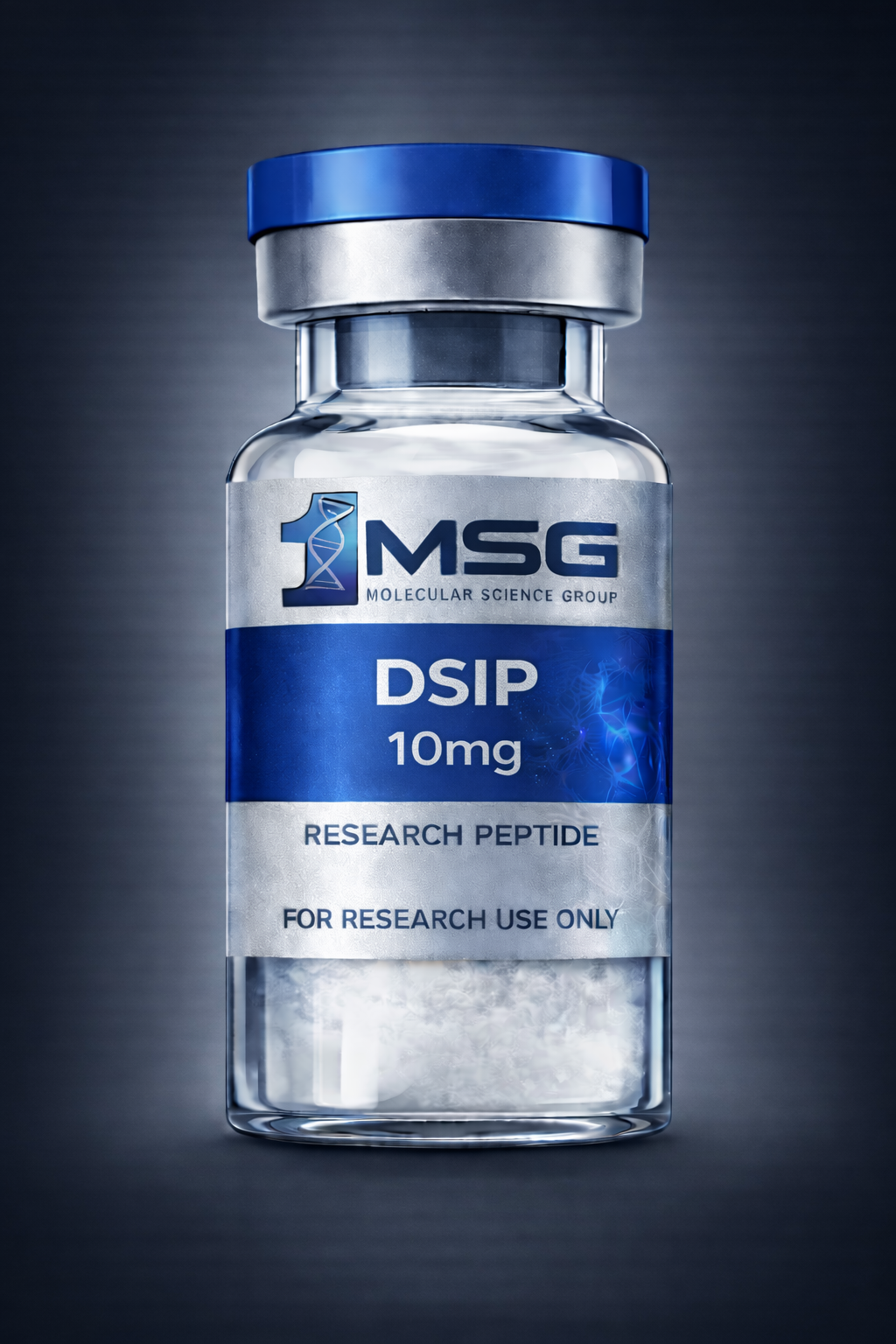
What is DSIP?
DSIP stands for Delta Sleep-Inducing Peptide, a naturally discussed neuropeptide that has attracted research attention for its possible relationship to sleep regulation, stress response, and central nervous system signaling. In plain English, DSIP is a peptide that researchers have explored because of its apparent involvement in the body’s internal communication systems tied to rest, resilience, and neurological balance.
Although the name suggests a direct sleep effect, the real scientific interest around DSIP is broader. Researchers are interested in how it may interact with pathways related to sleep architecture, circadian rhythm support, neuroendocrine signaling, and recovery. That is why DSIP is often discussed not only in sleep-focused research, but also in conversations around cognitive performance, stress adaptation, and peptide-based nootropic support.
How DSIP Works
DSIP is believed to function as a signaling peptide, meaning it may help influence how different systems in the body communicate. Rather than acting like a simple stimulant or sedative, it has gained attention for its possible role in helping regulate internal processes linked to rest and neurological stability.
In research settings, DSIP is often studied for potential interactions involving:
- Sleep-related brain activity, especially patterns associated with deeper restorative rest
- Stress-response pathways, including how the body adapts to physical or mental strain
- Neuroendocrine signaling, which connects the brain, hormones, and recovery processes
- Autonomic balance, or the body’s ability to shift between stress and recovery states
- Cognitive recovery interest, especially when sleep quality and mental performance are closely linked
This is one reason DSIP is commonly compared to other peptides and nootropic compounds that are being studied for whole-system regulation rather than narrow single-target effects.
Why DSIP Is Getting Attention
DSIP has gained attention because sleep and recovery are now seen as central to nearly every area of performance and wellness research. People browsing nootropics are often not just looking for stimulation or focus—they are also interested in compounds being studied for better recovery, calmer neurological tone, and more efficient restoration. DSIP fits into that conversation.
Researchers are especially interested in DSIP because it is often discussed in relation to:
- Sleep quality and sleep depth
- Recovery after stress
- Mood and nervous system balance
- Neuroprotective interest
- Brain-body peptide signaling
Unlike many classic nootropics that are associated with alertness or stimulation, DSIP stands out because it is more often discussed for the recovery side of cognition—the part of brain performance that depends on rest, regulation, and resilience.
Potential Benefits Being Studied
DSIP is still an area of ongoing research, but it has shown interest in studies and scientific discussion for several reasons. Commonly discussed areas include:
- Sleep support interest – DSIP is being studied for its relationship to healthy sleep patterns and restorative rest
- Stress adaptation – researchers have explored whether it may play a role in helping the body respond to stress more efficiently
- Recovery and resilience – often discussed for post-stress recovery and nervous system recalibration
- Mood balance interest – some discussions focus on its possible connection to emotional steadiness and neurological calm
- Cognitive support through recovery – because sleep quality and mental performance are closely connected, DSIP is often discussed in broader nootropic research
- Neuroregulatory effects – researchers are interested in how peptide signaling may influence brain function and internal balance
These are areas of study and scientific interest, not guaranteed outcomes. Still, they help explain why DSIP continues to attract attention among researchers and advanced peptide customers.
What Makes DSIP Stand Out
What makes DSIP different from many compounds in the nootropics category is that it is not primarily known for stimulation. Instead, it is often discussed for the systems that support performance indirectly—especially sleep, recovery, and neuroendocrine balance.
Key reasons DSIP stands out include:
- Peptide-based signaling interest rather than conventional stimulant-style activity
- Strong association with sleep research and restorative processes
- Broader recovery relevance that may matter for cognition, stress resilience, and overall neurological function
- Unique positioning in nootropic research as a compound often explored for calm, reset, and restoration
- Cross-category appeal among those interested in sleep science, peptide research, and advanced neuro-support compounds
For many customers, that makes DSIP especially appealing. It speaks to a different side of cognitive optimization: not just how to feel more switched on, but how to support the biological processes that help the brain recover and function well over time.
Who Typically Looks Into DSIP?
DSIP often attracts interest from customers and researchers who are exploring:
- Sleep-focused peptide research
- Recovery-oriented nootropics
- Compounds being studied for stress resilience
- Neuroendocrine and peptide signaling pathways
- Advanced wellness and performance research involving rest and restoration
If you are browsing the catalog for something beyond standard focus products, DSIP is one of the more interesting compounds in this category because it is commonly discussed for the foundation of performance: quality recovery.
Important Research Perspective
DSIP is best understood as a research-interest peptide with ongoing scientific curiosity around sleep, stress, and neurological regulation. While it has gained attention for these areas, research is still evolving, and discussions around DSIP should be viewed through that lens.
In simple terms: DSIP is a peptide that people are interested in because it may help explain how the body regulates deep rest, stress adaptation, and recovery-related brain signaling. That combination is exactly why it continues to stand out in the nootropics space.
Reviews
There are no reviews yet.