Description
What is NAD+?
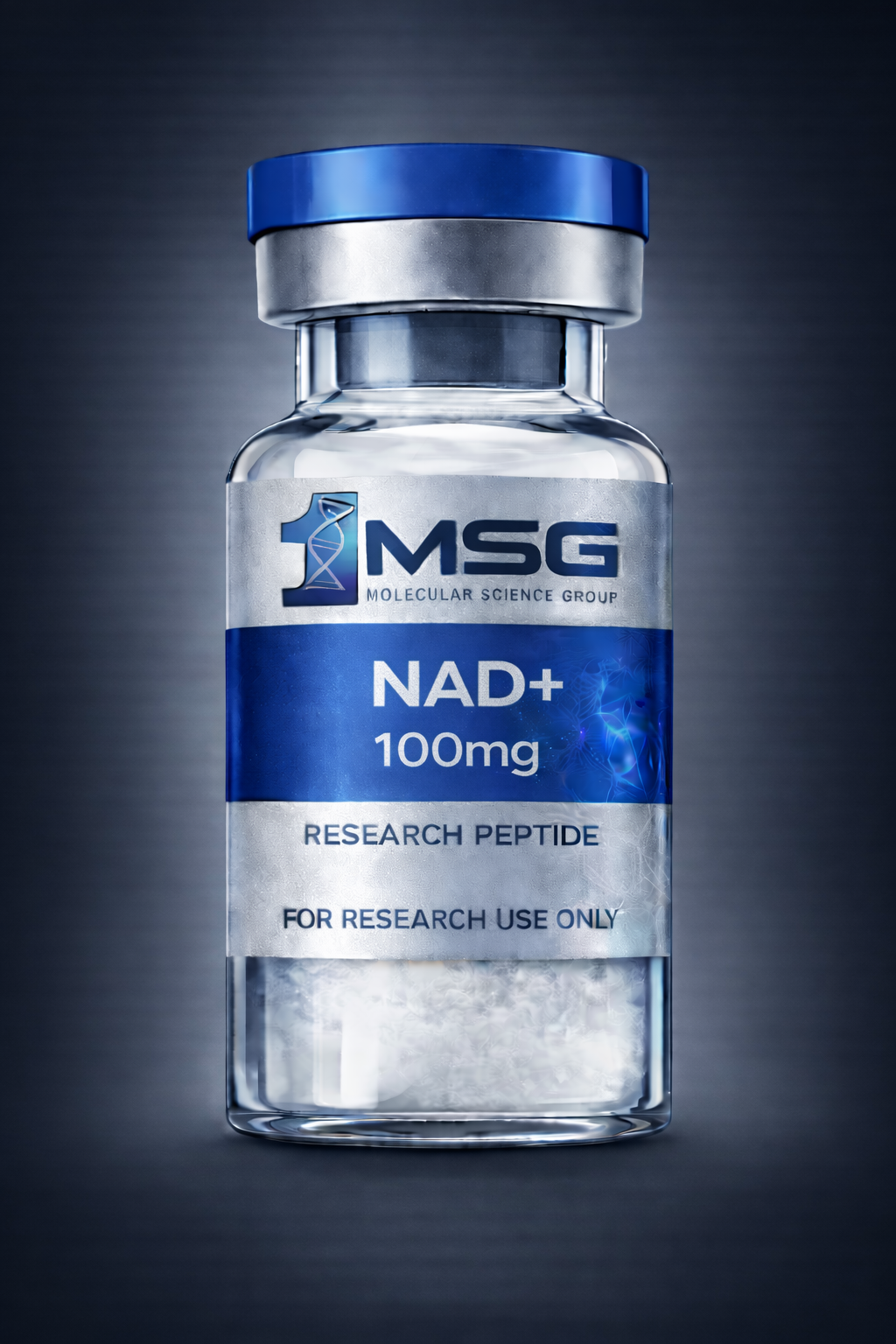
NAD+ stands for nicotinamide adenine dinucleotide, a coenzyme found in every living cell. In plain English, it is one of the body’s essential “energy transfer” molecules. Cells use NAD+ to help convert nutrients into usable cellular energy, especially inside the mitochondria, which are often called the powerhouses of the cell.
NAD+ is not a stimulant and it is not just another vitamin-like ingredient. It is a core metabolic compound involved in how cells produce ATP, manage oxidation-reduction reactions, and support enzyme systems tied to cellular maintenance. Because NAD+ levels are often discussed in relation to aging, mitochondrial efficiency, and metabolic resilience, it has become a major topic of interest in wellness and longevity research.
How NAD+ Works
At the most basic level, NAD+ helps shuttle electrons during metabolic reactions. That matters because energy production depends on those electron transfers happening efficiently. Without enough NAD+, cells cannot carry out many of the reactions needed for normal energy metabolism.
Researchers are especially interested in NAD+ because it is involved in several important processes:
- Mitochondrial energy production through redox reactions that help generate ATP
- Cellular metabolism, including how carbohydrates, fats, and other nutrients are processed
- Sirtuin activity, which is often discussed in healthy aging and cellular stress response research
- PARP enzyme function, which is linked to DNA maintenance and cellular repair pathways
- Redox balance, helping cells manage oxidative stress and metabolic demand
In simple terms, NAD+ helps cells do the work of staying energized, responsive, and metabolically active.
Why NAD+ Is Getting Attention
NAD+ has gained attention because it sits at the intersection of several high-interest research areas. Instead of acting on just one narrow pathway, it is involved in broad cellular systems that affect how efficiently cells function over time.
Researchers are interested in NAD+ for topics such as:
- Mitochondrial health and cellular energy output
- Healthy aging research and age-related changes in NAD+ availability
- Metabolic flexibility and nutrient utilization
- Cellular stress response and resilience under metabolic demand
- Cognitive and neurological interest, since brain tissue is highly energy-dependent
One reason customers browsing this category care about NAD+ is that it is often discussed as a “core” molecule rather than a niche add-on. Many compounds are being studied for one specific effect, but NAD+ is commonly compared to foundational metabolic support because it participates in so many essential cellular reactions.
Potential Benefits Being Studied
While research is still evolving, NAD+ is being studied for its possible role in several areas of interest:
- Supporting cellular energy metabolism
- Helping maintain mitochondrial function
- Supporting pathways involved in cellular repair and maintenance
- Interest in healthy aging and age-related metabolic changes
- Supporting metabolic efficiency and redox balance
- Research attention related to mental clarity, resilience, and energy-demanding tissues
NAD+ is also often discussed alongside compounds like NMN and NR because those ingredients are studied as NAD+ precursors. In contrast, NAD+ itself is the actual coenzyme at the center of the conversation, which is one reason it continues to attract attention in mitochondrial and longevity-focused catalogs.
What Makes NAD+ Stand Out
What makes NAD+ stand out is how fundamental it is. This is not a trendy ingredient that only matters in one narrow context. It is a molecule deeply tied to how cells produce energy, respond to stress, and maintain normal metabolic activity.
- Foundational role: NAD+ is directly involved in core cellular energy processes
- Mitochondrial relevance: It is central to the reactions that help power ATP production
- Broad research interest: It is being studied across aging, metabolism, and cellular resilience topics
- High recognition: NAD+ is one of the most commonly discussed molecules in mitochondrial and longevity research
- Mechanistic importance: It connects energy production with cellular maintenance pathways
For customers exploring mitochondrial compounds, NAD+ is appealing because it is easy to understand at a high level: cells need energy, mitochondria help make that energy, and NAD+ is one of the key molecules that helps that process happen.
Who Is Interested in NAD+?
NAD+ is commonly explored by customers and researchers interested in:
- Mitochondrial support
- Cellular energy research
- Longevity and healthy aging discussions
- Metabolic performance and resilience
- Foundational compounds with broad biological relevance
Because NAD+ is tied to such basic cellular functions, it remains one of the most recognizable and widely discussed compounds in the mitochondrial category.
Final Thoughts
If you have been asking, “What is NAD+?”, the simplest answer is this: NAD+ is a vital coenzyme that helps cells create energy and support essential metabolic processes. Its importance in mitochondrial activity, redox balance, and enzyme signaling is exactly why it has gained so much research and commercial attention.
For anyone looking at compounds related to mitochondrial function, energy metabolism, and cellular performance, NAD+ is one of the most relevant molecules to understand.
Reviews
There are no reviews yet.