Description
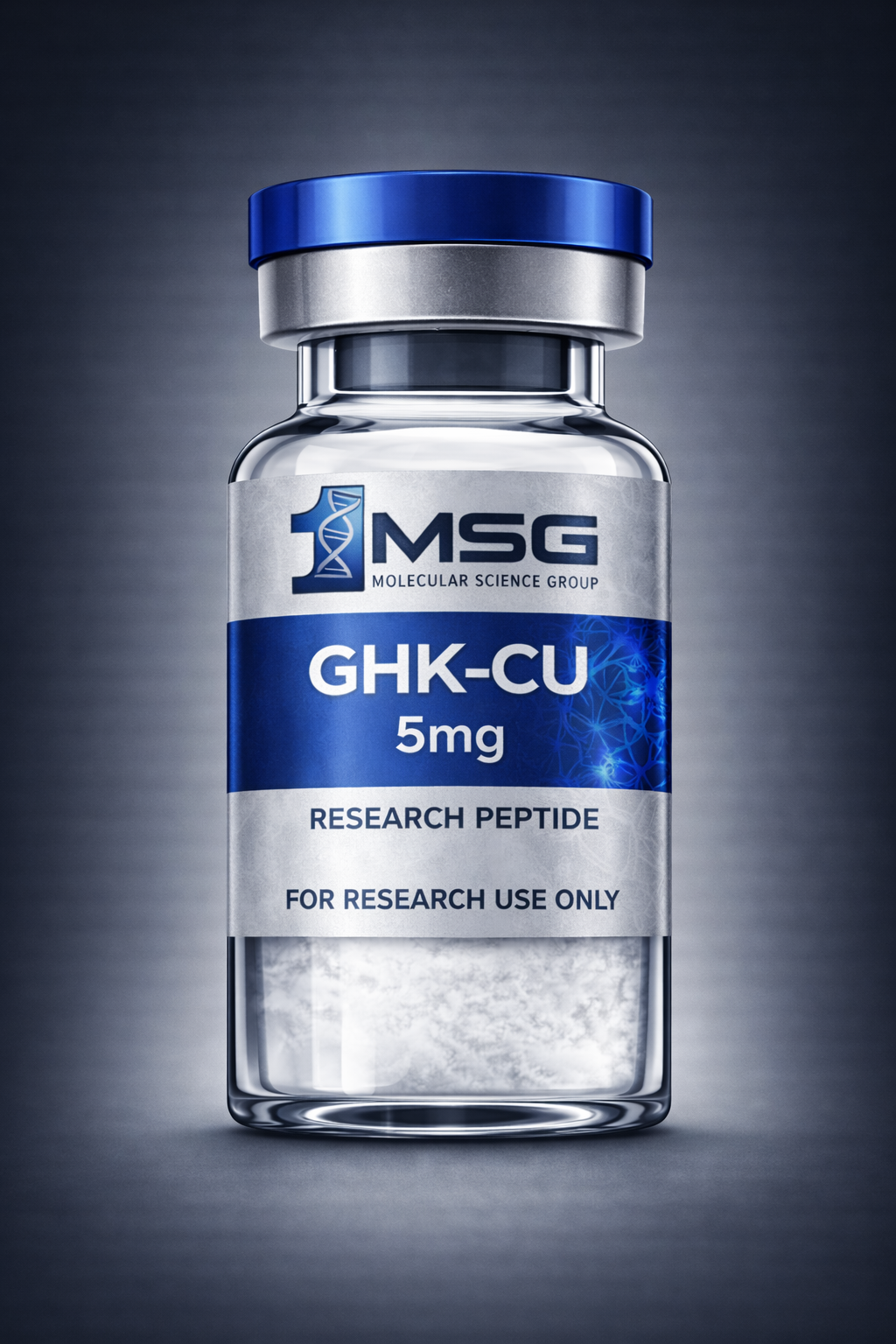
What is GHK-CU?
GHK-CU is a naturally occurring copper peptide complex made from the tripeptide GHK (glycyl-L-histidyl-L-lysine) bound to copper. In plain English, it is a small signaling peptide associated with the way the body responds to visible skin aging, tissue appearance, and cosmetic recovery processes. It has gained attention because researchers are interested in how this peptide may help support a healthier-looking skin environment and overall cosmetic rejuvenation.
Among cosmetic and recovery-focused compounds, GHK-CU is often discussed for its broad research profile. It is commonly compared to other appearance-support peptides because of its long-standing interest in studies involving skin texture, visible firmness, and the look of damaged or stressed skin.
How GHK-CU Works
In simple terms, GHK-CU is being studied as a cell-signaling peptide. That means it may help influence how skin and related tissues respond to stress, visible aging, and repair-related processes. Rather than acting like a basic moisturizer or simple cosmetic ingredient, it has gained attention for how it may interact with pathways involved in tissue maintenance and appearance.
- Peptide signaling: Researchers are interested in how GHK-CU may help support communication involved in skin renewal and tissue quality.
- Copper binding: The copper component is often discussed because copper plays a role in many biological processes related to tissue structure and appearance.
- Extracellular matrix interest: GHK-CU has shown interest in studies involving collagen-related and skin-supportive pathways.
- Cosmetic recovery attention: It is often discussed for helping support the appearance of skin after stress or cosmetic procedures.
- Oxidative stress research: Some study attention has focused on how it may support a more balanced skin environment.
Why GHK-CU Is Getting Attention
GHK-CU has become one of the most recognized peptides in cosmetic science because it sits at the intersection of skin appearance, recovery interest, and visible age-support research. People looking through peptide catalogs often notice GHK-CU because it is not just a niche ingredient—it is one of the compounds most commonly discussed when the goal is a more youthful, refreshed, and supported look.
Researchers are interested in GHK-CU for several reasons:
- It has a long history of study attention in cosmetic and skin-focused research.
- It is commonly discussed for visible skin quality, including texture and tone.
- It has shown interest in studies involving tissue-supportive signaling.
- It is often compared to other cosmetic peptides for recovery and rejuvenation-focused applications.
- It appeals to customers looking for advanced cosmetic compounds rather than basic skincare ingredients.
Potential Benefits Being Studied
While research is ongoing, GHK-CU is commonly discussed for several cosmetic and appearance-related areas of interest:
- Skin appearance support – often studied for smoother, healthier-looking skin.
- Visible firmness and texture – has gained attention for age-related appearance concerns.
- Cosmetic recovery support – commonly discussed in relation to post-stress or post-procedure skin appearance.
- Hair and scalp interest – sometimes studied in broader cosmetic discussions involving hair appearance.
- Support for a refreshed look – often discussed for dull, stressed, or visibly tired skin.
These are areas of study interest, not guaranteed outcomes, but they help explain why GHK-CU remains one of the most searched and discussed cosmetic peptides available.
What Makes GHK-CU Stand Out
What makes GHK-CU stand out is its reputation as a multi-interest cosmetic peptide. Many compounds are studied for one narrow purpose, but GHK-CU has gained attention across several categories at once, including skin appearance, visible recovery, and tissue-supportive cosmetic science.
- Well-known in peptide research for cosmetic and recovery-related interest
- Often discussed for visible rejuvenation rather than simple surface hydration
- Commonly compared to premium skincare actives because of its signaling-based profile
- Appealing to advanced users seeking research-backed cosmetic ingredients
- Recognized for broad cosmetic relevance across skin quality and appearance-focused discussions
Why Customers Browse for GHK-CU
If someone is searching for GHK-CU, they are usually looking for a peptide that goes beyond ordinary cosmetic ingredients. This product attracts attention from customers interested in compounds being studied for visible skin support, cosmetic recovery, and age-related appearance concerns. It is especially appealing to those who want a peptide with strong name recognition and ongoing interest in cosmetic science.
In short, GHK-CU is a copper peptide complex being studied for its role in skin appearance, tissue-supportive signaling, and cosmetic recovery interest. Its reputation, broad research attention, and strong relevance to cosmetic goals make it one of the standout peptides in this category.
Reviews
There are no reviews yet.