
Description
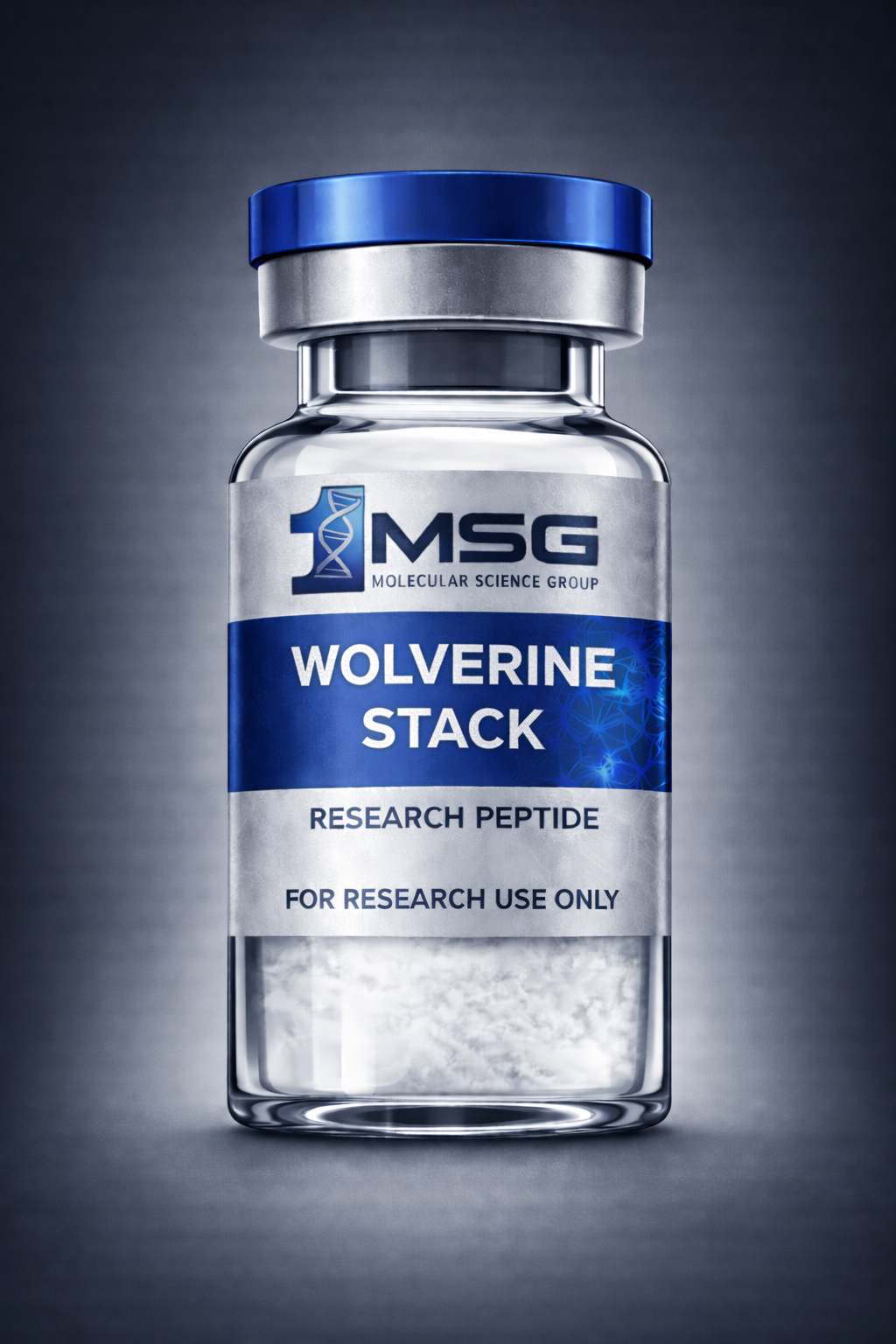
What is BPC 5mg+TB 5mg Wolverine Stack?
BPC 5mg+TB 5mg Wolverine Stack is a dual-peptide research blend that combines 5mg of BPC-157 with 5mg of TB-500 in one convenient stack. In plain English, this product brings together two compounds that are frequently studied for how they may support recovery-related processes, especially in research involving soft tissue, connective tissue, mobility, and repair signaling.
People browsing this product are usually looking at it because BPC-157 and TB-500 are often discussed together rather than separately. The reason is simple: they are commonly compared as complementary peptides in recovery-focused research, with BPC-157 often mentioned for localized tissue interest and TB-500 often discussed for broader systemic recovery interest.
This stack is sometimes called a “Wolverine Stack” because of the strong attention it has received in peptide communities focused on recovery, resilience, and getting back to training or activity. That nickname is informal, but it reflects why the combination has become so popular in discussion.
How BPC 5mg+TB 5mg Wolverine Stack Works
Researchers are interested in this stack because the two peptides are believed to interact with different but potentially complementary recovery pathways. While research is still evolving, the combination has gained attention for how it may support the body’s natural repair environment.
- BPC-157 is often discussed for study interest involving tendon, ligament, gut-related tissue, and localized recovery signaling.
- TB-500 is commonly compared to other recovery peptides for its broader interest in cell migration, tissue remodeling, and systemic healing-related processes.
- Together, they are being studied for how they may support recovery coordination across multiple tissue types.
- This pairing has shown interest in research conversations around mobility, flexibility, training recovery, and soft tissue support.
Put simply, many researchers look at BPC-157 as a peptide often discussed for targeted recovery interest, while TB-500 is often discussed for broader repair-related signaling. That is why the stack is so commonly chosen by those specifically interested in recovery-focused peptide research.
Why BPC 5mg+TB 5mg Wolverine Stack Is Getting Attention
This combination has gained attention because recovery is one of the most active areas of peptide discussion. Instead of choosing between BPC-157 and TB-500, many people are interested in the stack because it allows both compounds to be studied together in a single product format.
Researchers are especially interested in this pairing for situations where multiple tissue systems may be relevant, such as:
- Connective tissue research
- Soft tissue recovery research
- Mobility and flexibility interest
- Post-training recovery discussions
- General repair-environment support studies
Another reason it gets attention is that it is commonly compared to using either peptide alone. In product browsing terms, customers often care about whether a stack offers broader research utility, and this is exactly why the Wolverine Stack stands out in the recovery category.
Potential Benefits Being Studied
As with many peptides, interest in BPC-157 and TB-500 comes from ongoing research and discussion rather than guaranteed outcomes. Still, this stack is often discussed for several recovery-related areas:
- Tendon and ligament support interest
- Soft tissue recovery research
- Muscle recovery and training support discussions
- Mobility and range-of-motion interest
- Tissue repair signaling and remodeling pathways
- Whole-body recovery support research
Some researchers are drawn to BPC-157 for its long-running attention in tissue-focused studies, while TB-500 has gained attention for broader regenerative and movement-related interest. The combination is therefore often discussed as a more complete recovery-oriented stack.
What Makes BPC 5mg+TB 5mg Wolverine Stack Stand Out
There are many peptide products on the market, but this stack stands out because it combines two of the most talked-about recovery peptides in one simple format.
- Balanced 5mg + 5mg combination for straightforward stacking
- Recovery-focused category fit for customers specifically browsing tissue-support research products
- Commonly discussed pairing in peptide research communities
- Convenient all-in-one format instead of sourcing each peptide separately
- Strong interest across connective tissue and systemic recovery discussions
For many customers, the appeal is practical: if the goal is to explore a peptide stack that is widely discussed for recovery-related research, this is one of the most recognized combinations available.
Who Is Commonly Interested in This Stack?
BPC 5mg+TB 5mg Wolverine Stack is often viewed by customers interested in:
- Recovery-focused peptide research
- Training and performance support discussions
- Connective tissue and soft tissue study interest
- Products commonly compared for mobility and resilience research
- Peptide stacks that may offer broader recovery coverage than single-compound options
In other words, this product tends to appeal to people who do not just want a standalone peptide—they want a combination that has gained attention for complementary recovery-related mechanisms.
Important Research Context
BPC-157 and TB-500 are being studied for their potential roles in recovery and repair-related pathways, but research is still developing. Product interest is based on scientific discussion, preclinical attention, and peptide community focus rather than any promise of specific results. This product is intended for research use, and discussions around it should be understood in that context.
If you are comparing recovery peptides, BPC 5mg+TB 5mg Wolverine Stack is one of the most recognized combinations because it brings together localized and systemic recovery interest in a single stack. That is the core reason it continues to attract attention in the peptide space.
Reviews
There are no reviews yet.