
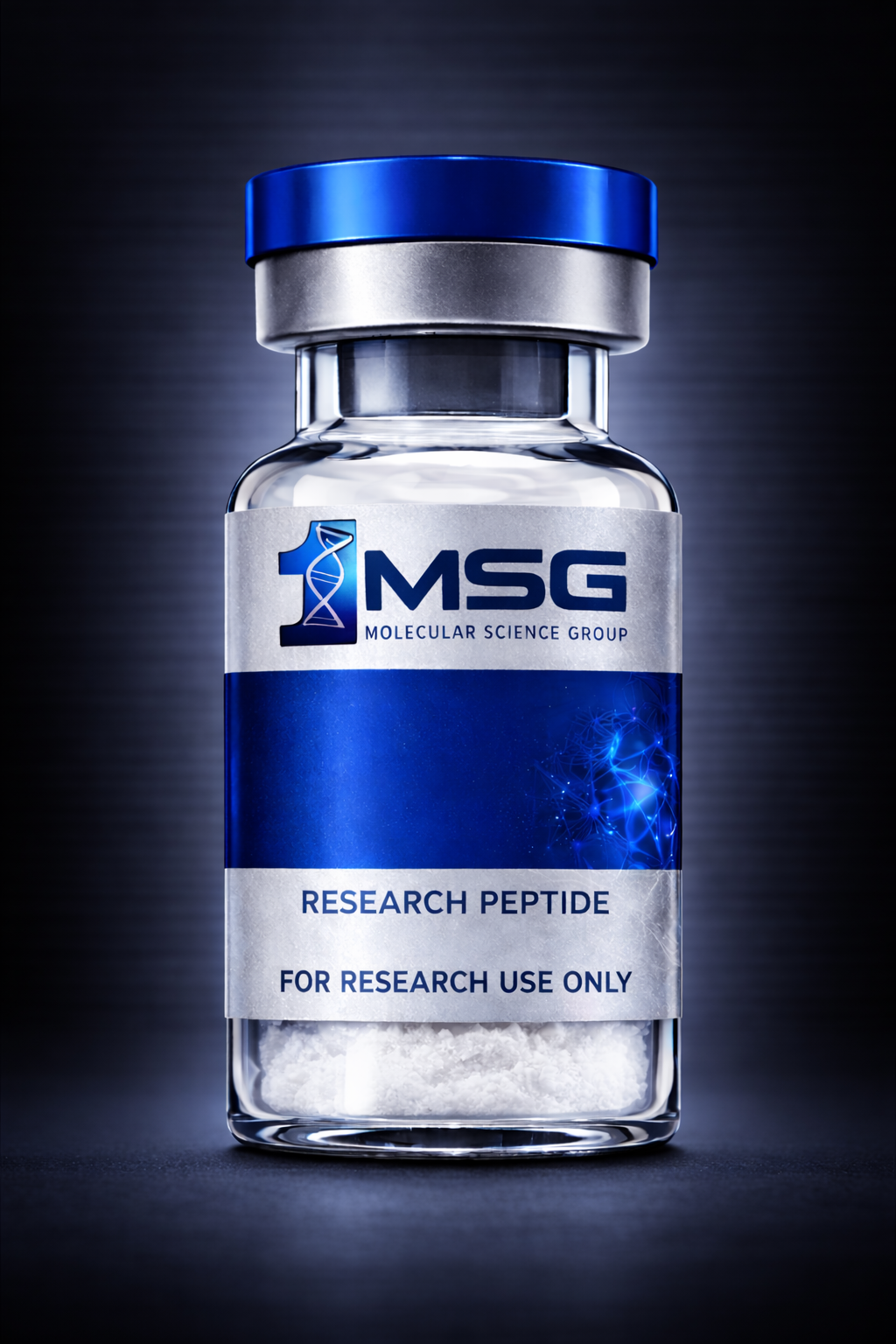
Description
What is Cagrilintide 2.5mg+Semaglutide 2.5mg?
Cagrilintide 2.5mg + Semaglutide 2.5mg is a combination peptide product in the metabolic research category that brings together two compounds receiving strong clinical and research attention for appetite and glucose-related signaling.
In plain English, this product combines:
- Cagrilintide — an amylin analog being studied for its effects on satiety, gastric emptying, and food intake regulation
- Semaglutide — a GLP-1 receptor agonist widely discussed for appetite control, glucose regulation, and metabolic support pathways
Together, these compounds are often discussed as a complementary pairing because they act on different but related metabolic signals. That is a major reason this combination has gained attention among researchers interested in appetite reduction, body composition support, and broader metabolic outcomes.
How Cagrilintide 2.5mg+Semaglutide 2.5mg Works
This combination is interesting because it does not rely on just one pathway. Instead, it brings together two signaling approaches that may work alongside each other.
- Cagrilintide is designed to mimic amylin-related activity, which is commonly associated with satiety signaling and slower gastric emptying
- Semaglutide works through the GLP-1 pathway, which has shown interest in studies involving appetite regulation, glucose response, and caloric intake
- The combined approach is often discussed for creating a broader metabolic signaling effect than either pathway alone
Put simply, researchers are interested in whether this pairing may help influence:
- Appetite signaling
- Feelings of fullness
- Food intake patterns
- Glucose-related metabolic responses
- Body weight and body composition research outcomes
Why Cagrilintide 2.5mg+Semaglutide 2.5mg Is Getting Attention
This is one of the more talked-about metabolic combinations because both ingredients already have strong individual research interest. When combined, they are commonly compared to single-pathway metabolic compounds by those looking at a more comprehensive appetite-focused strategy.
Researchers are interested in this blend because it is being studied for:
- Enhanced satiety signaling
- Reduced drive for food intake
- Metabolic efficiency and energy balance interest
- Glucose regulation support pathways
- Body composition and weight-management research
In metabolic discussions, this combination is often highlighted because amylin-based and GLP-1-based signaling may complement one another. That makes it especially relevant for customers browsing advanced peptide options and wondering why this product keeps appearing in conversations around appetite and metabolic research.
Potential Benefits Being Studied
While research is ongoing and outcomes can vary by study design, Cagrilintide + Semaglutide has gained attention for several key areas:
- Appetite regulation: often discussed for helping influence hunger-related signaling
- Satiety support: being studied for promoting a fuller feeling after food intake
- Glucose-related pathways: semaglutide in particular has shown strong clinical interest in this area
- Body composition interest: commonly explored in metabolic and weight-focused research settings
- Energy intake reduction: researchers often examine whether combined signaling affects total caloric consumption
People looking at this product are usually interested in one central idea: can dual-pathway peptide signaling create a more notable metabolic response than a single-agent approach? That question is a big part of why this combination continues to attract attention.
What Makes Cagrilintide 2.5mg+Semaglutide 2.5mg Stand Out
There are many metabolic compounds on the market, but this product stands out because it combines two highly discussed mechanisms in one offering.
- Dual-pathway interest rather than a single receptor focus
- Strong relevance to appetite and satiety research
- Frequently compared to standalone GLP-1 products
- High clinical and research visibility in metabolic discussions
- Appealing to customers seeking advanced peptide combinations
For many customers, the value of this product is simple: it represents a more advanced metabolic research option built around two compounds that are already receiving substantial attention on their own.
Who Is Interested in This Compound?
Cagrilintide 2.5mg + Semaglutide 2.5mg is commonly explored by those following developments in:
- Metabolic peptide research
- Appetite and satiety signaling
- Glucose regulation studies
- Body composition research
- Next-generation weight-management compounds
If you are browsing the catalog and comparing metabolic products, this is the kind of combination that stands out because it reflects where a lot of current peptide interest is heading: multi-pathway metabolic support rather than one-dimensional signaling.
Important Notes
This product is offered for research and informational purposes within the context of peptide and metabolic compound interest. It is not presented as a cure, diagnosis, or guaranteed solution for any condition. Ongoing study continues to shape how this combination is understood, and customers should evaluate product relevance based on current research goals and professional guidance.
Reviews
There are no reviews yet.