
Description
What is Cardiogen?
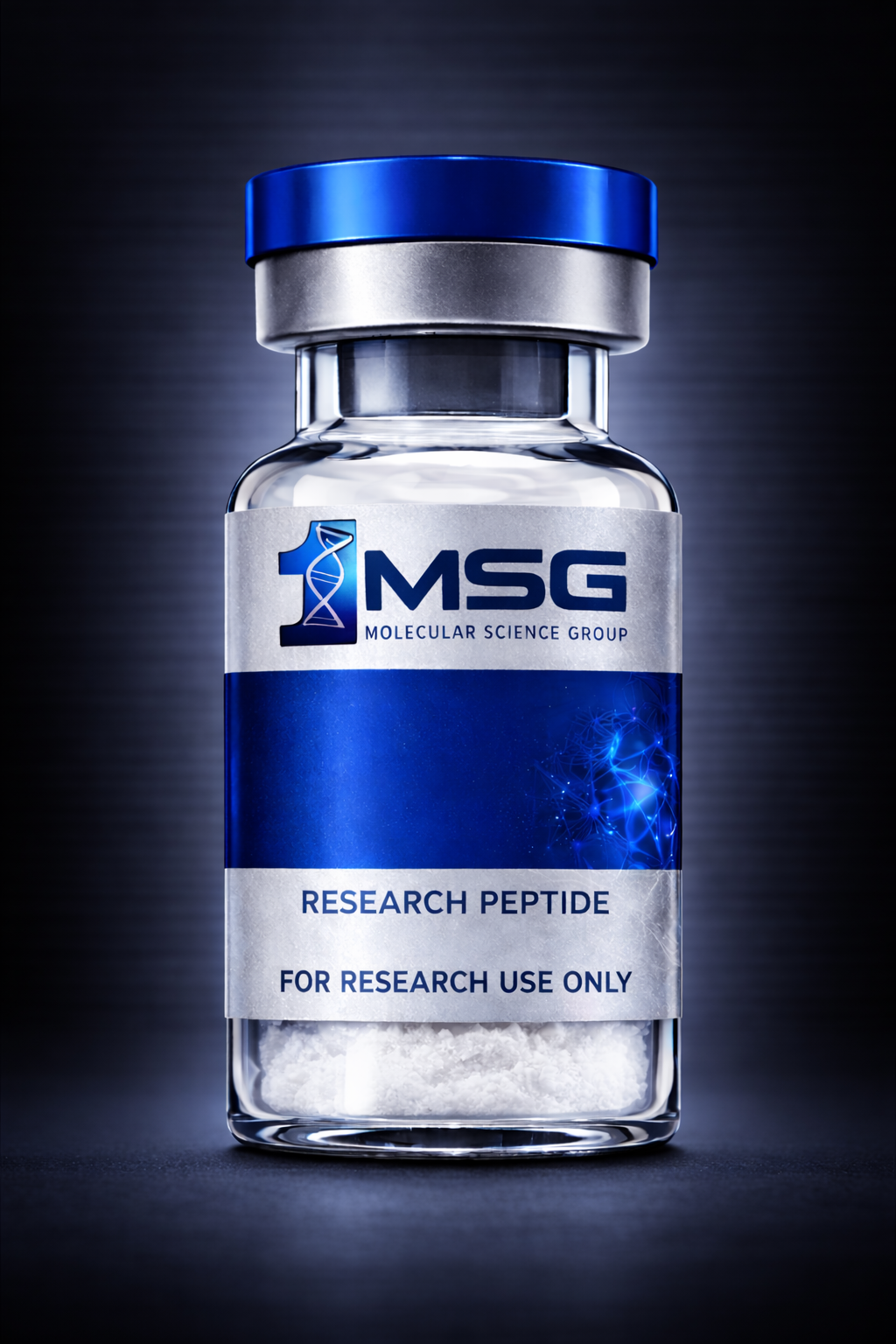
Cardiogen is a research peptide complex associated with the study of cardiovascular tissue support and peptide-based cellular regulation. In plain English, it is a peptide product that researchers look at because it is believed to interact with biological signaling involved in the normal function and maintenance of heart-related tissues.
Cardiogen is part of a broader group of short peptide compounds often discussed for their potential to influence how cells communicate, repair, and maintain normal tissue behavior over time. Rather than being viewed as a general-purpose peptide, Cardiogen has gained attention specifically for its organ-focused research relevance, especially in studies centered on the heart and cardiovascular system.
For customers browsing research peptides, the main reason Cardiogen stands out is simple: it is commonly compared to other bioregulatory peptides because of its targeted interest in cardiac tissue rather than broad systemic peptide activity.
How Cardiogen Works
Cardiogen is being studied for how short peptides may help influence normal cellular processes tied to tissue-specific function. While research is still evolving, peptides in this category are often discussed for their ability to interact with cellular signaling pathways that help regulate:
- Gene expression related to tissue maintenance
- Cell-to-cell communication
- Protein synthesis and repair signaling
- Age-related changes in tissue responsiveness
- Normal structural support within cardiovascular tissues
In plain terms, researchers are interested in whether compounds like Cardiogen may help support the biological environment that allows heart tissue to function more efficiently under normal conditions. This is one reason it has shown interest in studies involving peptide bioregulation and healthy aging science.
Why Cardiogen Is Getting Attention
Cardiogen has gained attention because cardiovascular health remains one of the most important areas in longevity, recovery, and tissue-support research. Scientists and peptide researchers are often interested in compounds that may help maintain normal tissue signaling as cells age or face stress.
Cardiogen is often discussed for:
- Cardiac tissue support research
- Healthy aging and peptide bioregulation studies
- Cellular resilience interest
- Research involving tissue maintenance and repair signaling
- Interest in organ-specific peptide complexes
Compared with more widely known peptides that focus on growth hormone pathways, metabolism, or recovery, Cardiogen attracts a different kind of attention. It is more commonly explored in the context of specialized cardiovascular peptide research, which makes it especially appealing to buyers seeking something more targeted and distinctive.
Potential Benefits Being Studied
As a research peptide, Cardiogen is being studied for several areas of scientific interest. These are not established medical outcomes, but they help explain why the compound continues to draw attention:
- Support for normal cardiovascular tissue function
- Interest in healthy cellular signaling within heart tissue
- Potential relevance to tissue resilience and structural integrity
- Study attention for age-related cardiovascular changes
- Possible role in broader regenerative and longevity discussions
Researchers are interested in how organ-specific peptides may help maintain normal biological patterns in tissues that are especially important for long-term function. In that context, Cardiogen is often viewed as a peptide of interest for those studying targeted tissue support rather than generalized peptide effects.
What Makes Cardiogen Stand Out
There are many research peptides on the market, but Cardiogen stands out because of its focused identity. Instead of being known primarily for muscle, fat loss, appetite, cognition, or growth hormone signaling, it is associated with a more specific research niche: cardiovascular bioregulation.
Key reasons customers and researchers pay attention to Cardiogen include:
- Targeted cardiovascular research relevance
- Association with peptide bioregulator science
- Interest in tissue-specific cellular communication
- Common inclusion in healthy aging and organ support discussions
- A unique profile compared with mainstream performance-focused peptides
This makes Cardiogen especially interesting for those who want a peptide product that feels more specialized, more research-driven, and more aligned with long-term biological function studies.
Who Is Interested in Cardiogen?
Cardiogen is commonly explored by customers and researchers who are interested in:
- Peptide bioregulators
- Cardiovascular support research
- Healthy aging science
- Cellular maintenance and signaling studies
- Organ-specific peptide compounds
If you are comparing peptide options and want something that is not centered on stimulant-like effects, body composition trends, or broad recovery claims, Cardiogen may stand out as a more specialized cardiovascular research peptide.
Important Research Note
Cardiogen is sold for research purposes only. It is not approved to diagnose, treat, cure, or prevent any disease. Discussion around this compound should be understood in the context of laboratory, scientific, and investigational interest only.
Reviews
There are no reviews yet.