
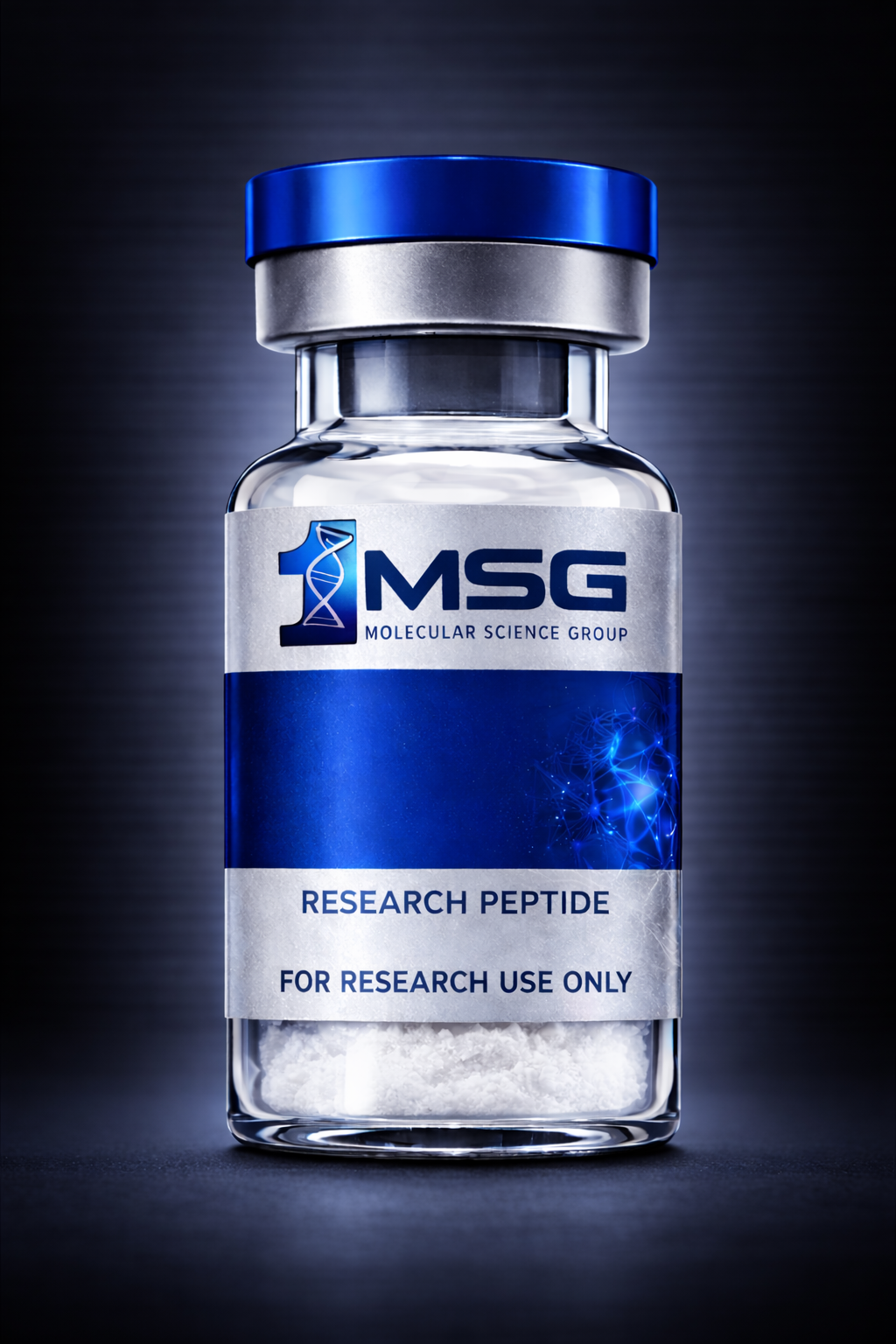
Description
What is Crystagen?
Crystagen is a research peptide commonly associated with thymus-derived peptide science and is being studied for its potential role in cellular regulation, tissue maintenance, and age-related biological processes. In plain English, it is a small peptide fragment that researchers are interested in because peptides like this may help influence how cells communicate, repair, and maintain normal function over time.
Crystagen has gained attention in research circles focused on healthy aging, immune-related signaling, and recovery biology. While it is not a mainstream peptide like some better-known compounds, it is often discussed by those exploring specialized peptide categories tied to regeneration, resilience, and systemic support in experimental models.
How Crystagen Works
Like many short-chain peptides under investigation, Crystagen is being studied for how it may interact with cellular signaling systems. Researchers are interested in whether it may help support normal gene expression patterns, protein synthesis activity, and tissue-level communication that become increasingly important in aging and stress-related models.
In simple terms, peptides act like biological messengers. Crystagen is often discussed as a compound that may help “remind” cells to maintain more youthful or organized patterns of activity, especially in tissues where repair, turnover, and immune coordination matter.
- Cell signaling interest: being studied for how it may influence communication between cells
- Tissue integrity research: often discussed for support of normal structural and regenerative processes
- Immune system relevance: has gained attention in thymus-related peptide discussions
- Age-related biology: researchers are interested in its potential role in models of aging and decline
Why Crystagen Is Getting Attention
Crystagen is getting attention because peptide research continues to expand beyond broad categories like muscle, metabolism, and appetite into more specialized areas such as cellular longevity, immune balance, and tissue restoration. This peptide fits into that growing interest.
Researchers and peptide buyers often look for compounds that may be relevant to:
- Healthy aging studies
- Recovery and resilience models
- Cellular maintenance research
- Immune-related signaling pathways
- Tissue repair and structural support interest
Crystagen is commonly compared to other bioregulatory peptides because of the way it is discussed in relation to restoring balance at the cellular level rather than targeting just one obvious outcome. That broader systems-level interest is part of what makes it appealing in research settings.
Potential Benefits Being Studied
Crystagen is being studied for several areas of scientific interest. It is important to frame these as research topics rather than established outcomes, but the peptide has shown enough interest in studies and peptide discussions to make it notable.
- Cellular repair support: often discussed for helping maintain healthy cell function and renewal processes
- Tissue recovery interest: researchers are interested in its relevance to structural resilience and repair biology
- Immune balance research: has gained attention in studies involving thymic and immune-related signaling
- Age-related function: commonly explored in models looking at decline in cellular organization over time
- Systemic vitality: often discussed for broad support of biological regulation rather than a single narrow mechanism
What Makes Crystagen Stand Out
What makes Crystagen stand out is its niche position within peptide research. Instead of being known mainly for body composition, appetite, or performance-related interest, it is more often associated with foundational biology: how cells maintain order, how tissues recover, and how age-related changes may affect normal signaling.
That makes it especially interesting to customers browsing research peptides who want something beyond the most common catalog compounds. Crystagen appeals to buyers looking for:
- A peptide with healthy aging research relevance
- A compound often discussed in regenerative and immune-related contexts
- A more specialized peptide for advanced research collections
- A product connected to cellular communication and maintenance pathways
For many researchers, the appeal is not just one isolated mechanism, but the possibility that Crystagen may be relevant to broader biological organization and recovery processes.
Who Is Interested in Crystagen Research?
Crystagen tends to attract attention from those studying peptides linked to:
- Cellular longevity and resilience
- Thymus-related peptide science
- Immune system communication
- Tissue maintenance and repair
- Age-associated biological changes
Because of that, it is often viewed as a thoughtful addition to a peptide catalog for customers interested in advanced or less common compounds with strong educational value and growing research curiosity.
Final Overview
Crystagen is a specialized research peptide being studied for its potential relevance to cellular signaling, tissue integrity, immune-related pathways, and healthy aging biology. In plain English, it is attracting attention because researchers want to understand whether peptides like Crystagen can help support the way cells organize, repair, and communicate under stress or with age.
If you are exploring research peptides that go beyond the usual categories and into deeper cellular and regenerative interest, Crystagen is a compelling option with increasing scientific attention.
Reviews
There are no reviews yet.