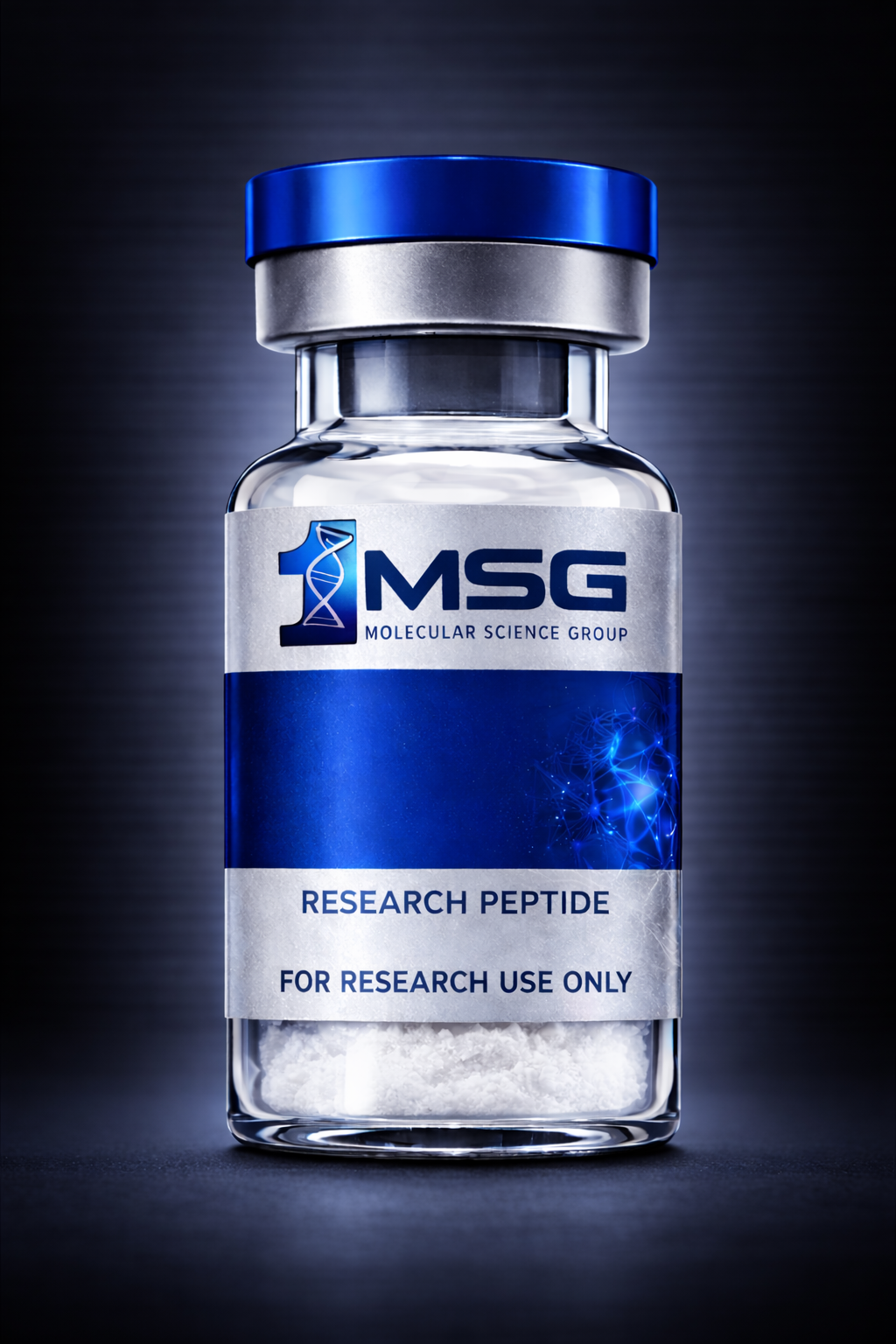
Description
What is GHRP-2?
GHRP-2 is a synthetic growth hormone releasing peptide (GH secretagogue) being studied for its ability to stimulate the body’s own growth hormone signaling. In simple terms, it is a peptide researchers use when they want to explore how activating specific hormone-release pathways may influence growth hormone output, IGF-related activity, appetite signaling, recovery markers, and body composition trends.
Unlike growth hormone itself, GHRP-2 is generally discussed as a compound that encourages natural release through receptor signaling. That distinction is one reason it has remained a popular topic in peptide research. It is often compared to compounds like GHRP-6, Ipamorelin, and Hexarelin when researchers are evaluating differences in potency, appetite effects, and overall GH pathway activity.
How GHRP-2 Works
GHRP-2 is being studied for its interaction with pathways linked to the ghrelin receptor / growth hormone secretagogue receptor (GHS-R). When this pathway is activated, it may promote pulsatile growth hormone release from the pituitary. Researchers are interested in this because growth hormone signaling can influence several downstream processes, including IGF-1 activity, nutrient partitioning, recovery-related signaling, and metabolic function.
In plain English: GHRP-2 is not usually discussed as replacing growth hormone directly. Instead, it is studied for how it may signal the body to release more of its own GH, which is why it gets attention in research settings focused on hormone dynamics.
- Targets GH release pathways rather than acting as growth hormone itself
- Often associated with ghrelin-related signaling
- Studied for downstream IGF pathway interest
- Commonly discussed in body composition and recovery research
- May also attract attention for appetite-related effects
Why GHRP-2 Is Getting Attention
GHRP-2 has gained attention because it is often viewed as a strong and recognizable GH secretagogue. In peptide discussions, it is frequently mentioned by researchers looking at compounds that may produce noticeable growth hormone signaling without using exogenous GH itself.
There is also ongoing interest in how GHRP-2 compares with other peptides in the same category:
- Compared with GHRP-6: often discussed as having strong GH-releasing activity, sometimes with different appetite-related emphasis
- Compared with Ipamorelin: commonly viewed as less selective, but often considered stronger in broader GH secretagogue discussions
- Compared with Hexarelin: frequently evaluated in terms of potency, receptor activity, and research goals
For many customers exploring this category, the appeal is straightforward: GHRP-2 is one of the better-known peptides in the growth hormone research space, and it continues to be studied because of its relevance to multiple high-interest pathways.
Potential Benefits Being Studied
GHRP-2 is being studied across several areas of interest. While research is ongoing and outcomes can vary by model and design, it is commonly discussed for:
- Growth hormone release and pulsatile GH signaling
- IGF-1 pathway interest as a downstream effect of GH activity
- Body composition research, including lean mass and fat mass trends
- Recovery-related signaling and tissue-support interest
- Appetite effects, due to its relationship with ghrelin-associated pathways
- Metabolic interest, including nutrient use and energy regulation discussions
- Performance and resilience research where GH-axis signaling is relevant
These are the reasons GHRP-2 is often discussed by customers who are comparing peptides for GH pathway support in research settings. It sits at the intersection of hormone signaling, metabolic interest, and recovery-focused study attention.
What Makes GHRP-2 Stand Out
What makes GHRP-2 stand out is its reputation as a well-established GH secretagogue with broad research relevance. It is not just a niche peptide with one narrow use case. Instead, it is commonly explored in contexts involving:
- Growth hormone pathway activation
- IGF-related downstream interest
- Body composition and recomposition discussions
- Appetite and feeding behavior research
- Recovery and regenerative signaling interest
For someone browsing a peptide catalog, that matters because it means GHRP-2 is a compound with recognizable demand, strong category relevance, and clear research interest. It is one of the peptides people often look at when they want a classic growth hormone releasing peptide that is widely discussed and easy to place within the broader GH secretagogue category.
Who Is Interested in GHRP-2?
Researchers are often interested in GHRP-2 when studying:
- GH-axis signaling and endocrine response patterns
- Peptide-based stimulation of endogenous hormone release
- Compounds commonly compared across the growth hormone category
- Appetite-related mechanisms linked to ghrelin receptor activity
- Body composition and recovery-related research models
This broad relevance is a major reason the compound continues to receive attention. Customers shopping this category are often looking for peptides that are well known, actively discussed, and strongly tied to growth hormone research themes, and GHRP-2 fits that profile very well.
Important Research Perspective
GHRP-2 is sold for research purposes, and interest in the compound is based on its role in growth hormone secretagogue signaling. It has shown interest in studies involving GH release and related pathways, but it should be understood as a research compound rather than a guaranteed solution for any specific outcome.
If you are comparing products in the Growth Hormone category, GHRP-2 remains one of the most recognized and frequently discussed options because of its strong connection to GH release, IGF pathway interest, appetite signaling, and body composition research.