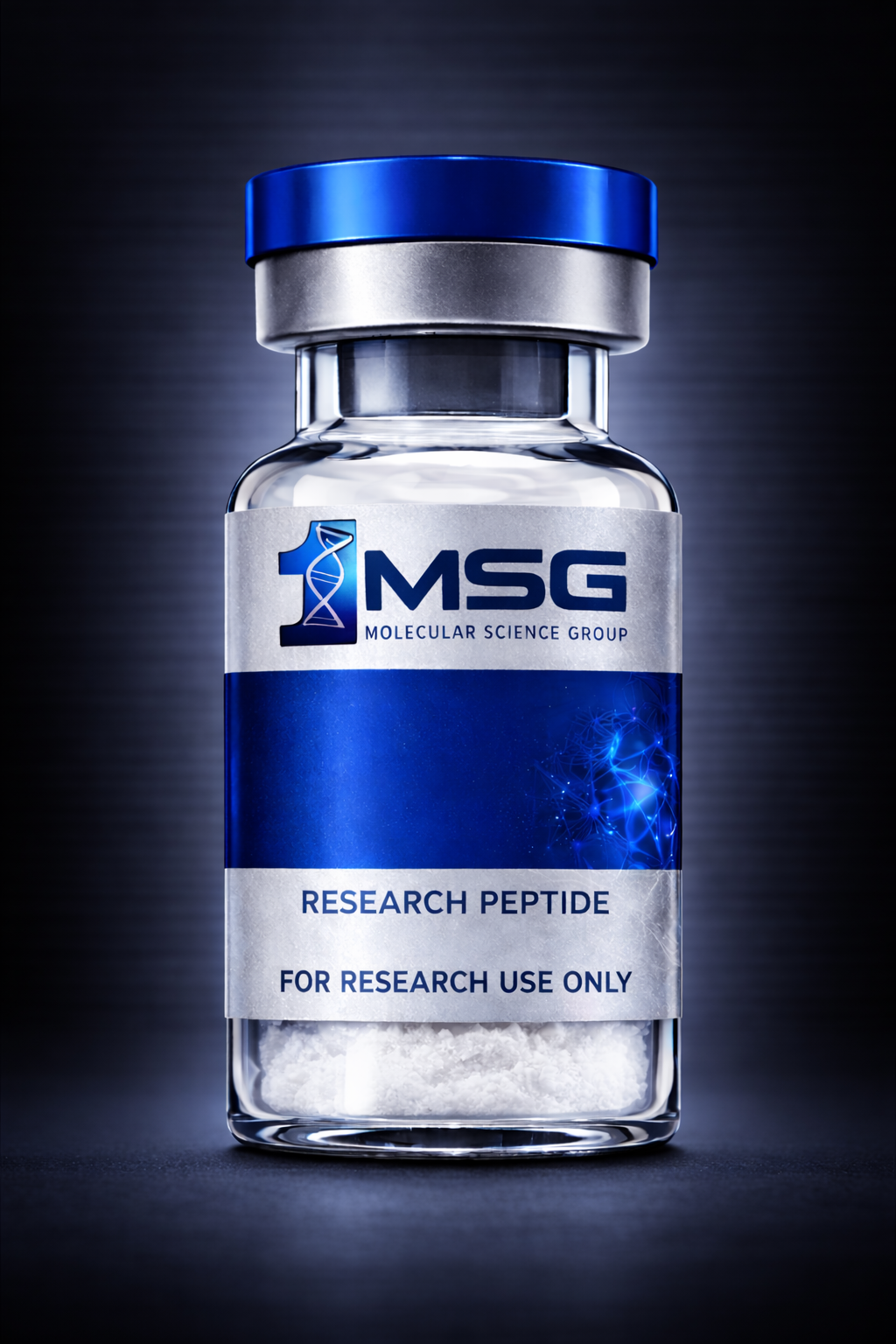
Description
What is Glutathione(GTT/Glu)?
Glutathione (GTT/Glu) is a naturally occurring antioxidant made from three amino acids: glutamine, cysteine, and glycine. In plain English, it is one of the body’s best-known internal protective compounds, often associated with helping cells manage everyday oxidative stress. In cosmetic and skincare discussions, glutathione has gained attention for its connection to skin brightness, tone uniformity, and overall skin appearance.
People browsing this product are usually interested in glutathione because it is widely recognized in beauty and wellness conversations as a compound linked to antioxidant support and a more refreshed-looking complexion. It is often discussed alongside other cosmetic ingredients used in formulas focused on radiance, environmental stress support, and visible skin quality.
How Glutathione(GTT/Glu) Works
Glutathione is being studied for the way it helps the body handle oxidative stress. Oxidative stress refers to the pressure placed on cells by unstable molecules generated through normal metabolism, pollution exposure, UV exposure, and other environmental factors. In skincare and cosmetic interest areas, this matters because oxidative stress is often associated with dull-looking skin and uneven appearance.
In simple terms, glutathione is interesting because researchers are interested in how it may help support a healthier-looking skin environment by participating in antioxidant processes.
- Antioxidant activity: commonly discussed for helping neutralize oxidative stress.
- Cellular support: has gained attention for its role in normal cellular protective systems.
- Complexion interest: often discussed in cosmetic settings for brighter-looking, more even-looking skin.
- Environmental stress relevance: researchers are interested in how antioxidant compounds may support skin exposed to daily stressors.
Why Glutathione(GTT/Glu) Is Getting Attention
Glutathione has become especially popular in cosmetic categories because it sits at the intersection of antioxidant science and appearance-focused skincare interest. It is commonly compared to other beauty-support ingredients because of the attention it has received for skin tone, radiance, and visible freshness.
Researchers and formulators are often interested in glutathione for several reasons:
- It is already well known in scientific literature as a major endogenous antioxidant.
- It has shown interest in studies related to oxidative balance and cellular protection.
- It is often discussed for cosmetic goals such as glow, clarity, and a more uniform-looking complexion.
- It fits well into modern skincare conversations centered on environmental stress and visible skin quality.
Potential Benefits Being Studied
While cosmetic ingredients should not be viewed as medical treatments, glutathione has gained attention for several appearance-related and research-focused areas.
- Skin radiance: often discussed for supporting a brighter, more luminous look.
- Even-looking tone: commonly compared to other cosmetic ingredients used in complexion-focused formulas.
- Antioxidant support: being studied for helping address oxidative stress relevant to skin appearance.
- Fresh-looking skin: researchers are interested in how antioxidant support may contribute to a more revitalized appearance.
These are the kinds of reasons customers often explore glutathione products in cosmetic catalogs: not because of hype alone, but because the ingredient has a strong reputation in antioxidant and beauty-related discussions.
What Makes Glutathione(GTT/Glu) Stand Out
What makes glutathione stand out is that it is not just another trendy cosmetic name. It is a compound with broad scientific recognition and long-standing relevance in discussions about oxidative balance. That gives it a different level of interest compared with ingredients that are popular only because of marketing cycles.
- Well-known antioxidant profile
- Strong cosmetic interest for skin appearance support
- Frequently discussed in radiance and tone-focused beauty routines
- Relevant to modern skincare concerns involving environmental exposure
For customers, that means glutathione is appealing because it combines scientific familiarity with cosmetic relevance. If you are looking at ingredients associated with skin brightness, antioxidant support, and a polished-looking complexion, glutathione is one of the most talked-about names in that category.
Who Is Interested in Glutathione(GTT/Glu)?
Glutathione is commonly explored by customers and formulators interested in:
- Cosmetic antioxidant ingredients
- Complexion-focused skincare support
- Ingredients often discussed for visible radiance
- Beauty routines centered on tone and clarity
- Modern cosmetic formulations aimed at environmental stress support
Final Thoughts
Glutathione (GTT/Glu) is best understood as a high-interest antioxidant compound that has gained attention in cosmetic circles for its association with brighter-looking, more even-looking skin and overall complexion support. In plain English: people care about glutathione because it is widely known, heavily discussed, and often studied for how antioxidant support may influence visible skin quality.
If you are comparing cosmetic ingredients that are commonly discussed for radiance, tone, and antioxidant relevance, glutathione remains one of the most recognized and most searched options in the category.