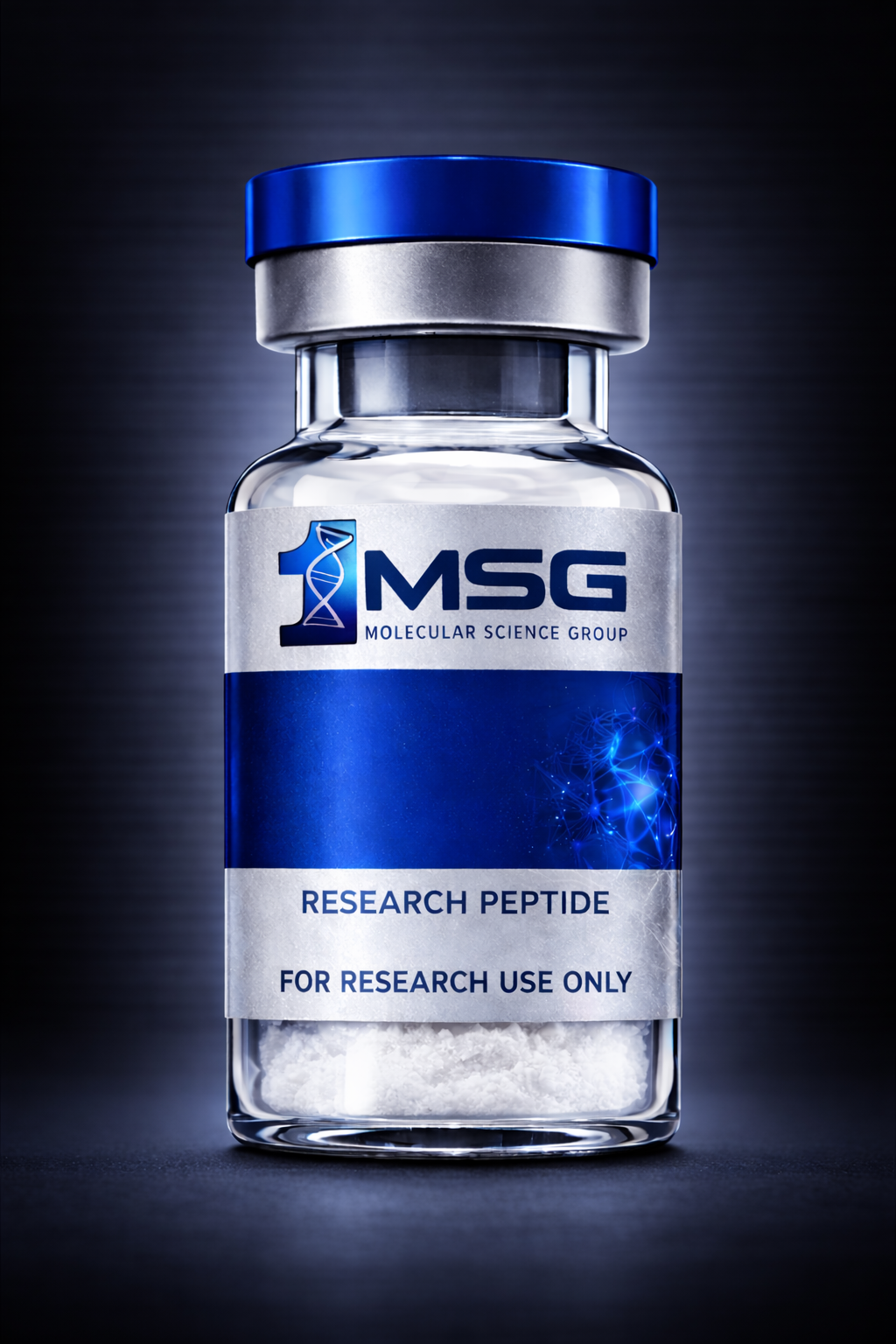
Description
What is HGH Fragment 176-191(Frag)?
HGH Fragment 176-191 is a shortened peptide fragment modeled from amino acids 176 through 191 of the human growth hormone molecule. In plain English, it is not full growth hormone. Instead, it is a specific section of the larger hormone that researchers study because it appears to be linked to the part of growth hormone signaling most often discussed in relation to fat metabolism and body composition.
This has made HGH Fragment 176-191 especially interesting to people following peptide research, metabolic studies, and compounds being explored for their potential role in lipolysis, energy balance, and selective growth hormone pathway activity. Rather than being viewed as a broad growth-promoting compound, it is often discussed for its more targeted research profile.
How HGH Fragment 176-191(Frag) Works
In research discussions, HGH Fragment 176-191 is commonly described as interacting with pathways associated with the fat-burning effects of growth hormone while drawing attention for being different from full-length HGH in how it is studied.
Researchers are interested in it because it has shown interest in studies involving:
- Lipolysis — the breakdown of stored fat
- Metabolic signaling related to body composition
- Energy expenditure and calorie-use pathways
- Growth hormone-related signaling without being identical to recombinant HGH
- Body composition research where lean mass and fat mass are discussed separately
One reason this fragment gets attention is that it is often discussed as a peptide designed to focus on a narrower part of the growth hormone story. That makes it appealing in research models where investigators want to examine fat metabolism pathways without centering the entire conversation on the broader effects commonly associated with full growth hormone or IGF-related activity.
Why HGH Fragment 176-191(Frag) Is Getting Attention
HGH Fragment 176-191 has gained attention because it sits at the intersection of several high-interest research areas:
- Weight and body composition studies
- Metabolic efficiency and nutrient partitioning discussions
- Peptide signaling research
- Comparisons with full HGH and other metabolic peptides
People browsing this category are often looking for compounds that are being studied for targeted metabolic effects rather than broad endocrine activity. That is where HGH Fragment 176-191 stands out. It is commonly compared to full growth hormone in conversation, but the reason many researchers focus on it is because it is viewed as a more specialized fragment with a narrower area of interest.
It is also often discussed in the context of appetite, fat utilization, energy output, and physique-oriented research, especially when body fat reduction pathways are the main focus of attention.
Potential Benefits Being Studied
While research is ongoing and outcomes can vary by model, HGH Fragment 176-191 is commonly studied for potential relevance to:
- Fat metabolism support
- Lipolytic activity
- Body composition optimization research
- Energy expenditure pathways
- Metabolic regulation interest
- Selective growth hormone pathway investigation
Some of the interest around this peptide comes from how often it is mentioned in discussions about compounds being studied for cutting phases, recomposition models, and metabolic research protocols. It has also been compared with other peptides that attract attention for body composition goals, although its identity and mechanism are distinct.
What Makes HGH Fragment 176-191(Frag) Stand Out
There are many growth hormone-related compounds on the market, but HGH Fragment 176-191 stands out for a few key reasons:
- It is a defined peptide fragment, not full-length HGH
- It has gained attention for fat-loss pathway research
- It is often discussed for body composition interest rather than broad growth effects
- Researchers frequently compare it with other metabolic and physique-focused peptides
- It appeals to customers looking for a compound with a more specialized research profile
For customers browsing peptide catalogs, the appeal is simple: HGH Fragment 176-191 is one of the better-known growth hormone fragments being studied for metabolic and body composition applications. If your interest is in compounds that are often discussed for selective fat metabolism signaling, this peptide is one of the most recognized names in that conversation.
Research Interest and Common Discussion Points
HGH Fragment 176-191 is often discussed alongside topics such as:
- Body fat reduction research
- Lean physique support models
- Metabolic peptide stacks
- Growth hormone pathway selectivity
- Recovery and body composition monitoring
It is important to understand that interest in this peptide comes from research attention and study discussion, not guaranteed outcomes. As with all research compounds, interpretation depends on study design, context, and quality control.
Final Overview
HGH Fragment 176-191(Frag) is a specialized growth hormone-derived peptide fragment being studied for its potential connection to fat metabolism, energy expenditure, and body composition signaling. It is popular because it offers a more focused research angle than full growth hormone and is commonly referenced in discussions around metabolic peptides and physique-oriented study models.
For researchers and informed buyers exploring the Growth Hormone category, HGH Fragment 176-191 remains a high-interest compound due to its targeted profile, strong name recognition, and ongoing attention in peptide research circles.