
Description
What is HMG?
HMG, short for Human Menopausal Gonadotropin, is a gonadotropin preparation that provides activity similar to both follicle-stimulating hormone (FSH) and luteinizing hormone (LH). In plain English, that means it is used in research involving the body’s reproductive hormone signaling system, especially where both follicular stimulation and LH-related signaling are relevant.
HMG has gained attention because it offers a combined gonadotropin profile rather than focusing on only one pathway. This makes it especially interesting in studies related to ovarian response, spermatogenesis support, and endocrine signaling models where coordinated reproductive hormone activity matters.
How HMG Works
HMG is being studied for how it interacts with the reproductive axis by supplying activity associated with two key gonadotropins:
- FSH-like activity, which is commonly associated with follicle development in ovarian research and support of spermatogenic processes in male reproductive research
- LH-like activity, which is often discussed for its role in ovulation-related signaling and stimulation of testosterone-producing pathways
- Combined endocrine signaling, making HMG relevant when researchers want to examine more complete gonadal stimulation rather than isolated single-hormone activity
Because of this dual-action nature, HMG is commonly compared to products that contain only FSH activity or only hCG/LH-like activity. Researchers are often interested in HMG when the goal is to study a broader reproductive signaling environment.
Why HMG Is Getting Attention
HMG has shown strong research interest because reproductive hormone signaling is rarely one-dimensional. In many study discussions, the interaction between FSH and LH pathways is considered important for understanding how the gonads respond under different conditions.
Researchers are interested in HMG for several reasons:
- It provides a dual gonadotropin approach
- It is often discussed in fertility-related research models
- It is commonly compared to recombinant FSH or hCG-based protocols
- It has gained attention in studies involving ovarian stimulation and male reproductive support pathways
- It may help researchers explore coordinated hormone signaling rather than isolated stimulation
For customers browsing research peptides, HMG stands out because it is not simply another general peptide—it is a targeted compound associated with a very specific and highly studied area of endocrine and reproductive research.
Potential Benefits Being Studied
HMG is being studied for its possible role in research involving:
- Follicular development and ovarian response
- Ovulation-related signaling and reproductive hormone coordination
- Spermatogenesis support in male reproductive research
- Testicular endocrine function and gonadal stimulation models
- Hormonal pathway analysis involving FSH and LH receptor activity
In study settings, HMG is often discussed where a more complete gonadotropin signal is desired. This is one reason it continues to receive attention in reproductive endocrinology research.
What Makes HMG Stand Out
What makes HMG different from many related compounds is its combined FSH/LH activity profile. Instead of focusing on only one part of the reproductive signaling chain, HMG is commonly valued in research for offering broader pathway engagement.
- Dual-action gonadotropin profile
- Relevant to both male and female reproductive research models
- Frequently discussed in fertility and endocrine literature
- Commonly compared to recombinant gonadotropin options
- Useful for studying coordinated gonadal response
This broader relevance is a major reason HMG has remained a recognized compound in peptide and hormone research circles.
Who Is Interested in HMG Research?
HMG is commonly of interest to researchers focused on:
- Reproductive endocrinology
- Gonadal signaling pathways
- Fertility-related laboratory models
- Hormone-response comparisons
- FSH and LH pathway interaction studies
Because it sits at the intersection of multiple reproductive signaling mechanisms, HMG continues to be a notable product for those studying hormone-driven biological responses.
Important Research Perspective
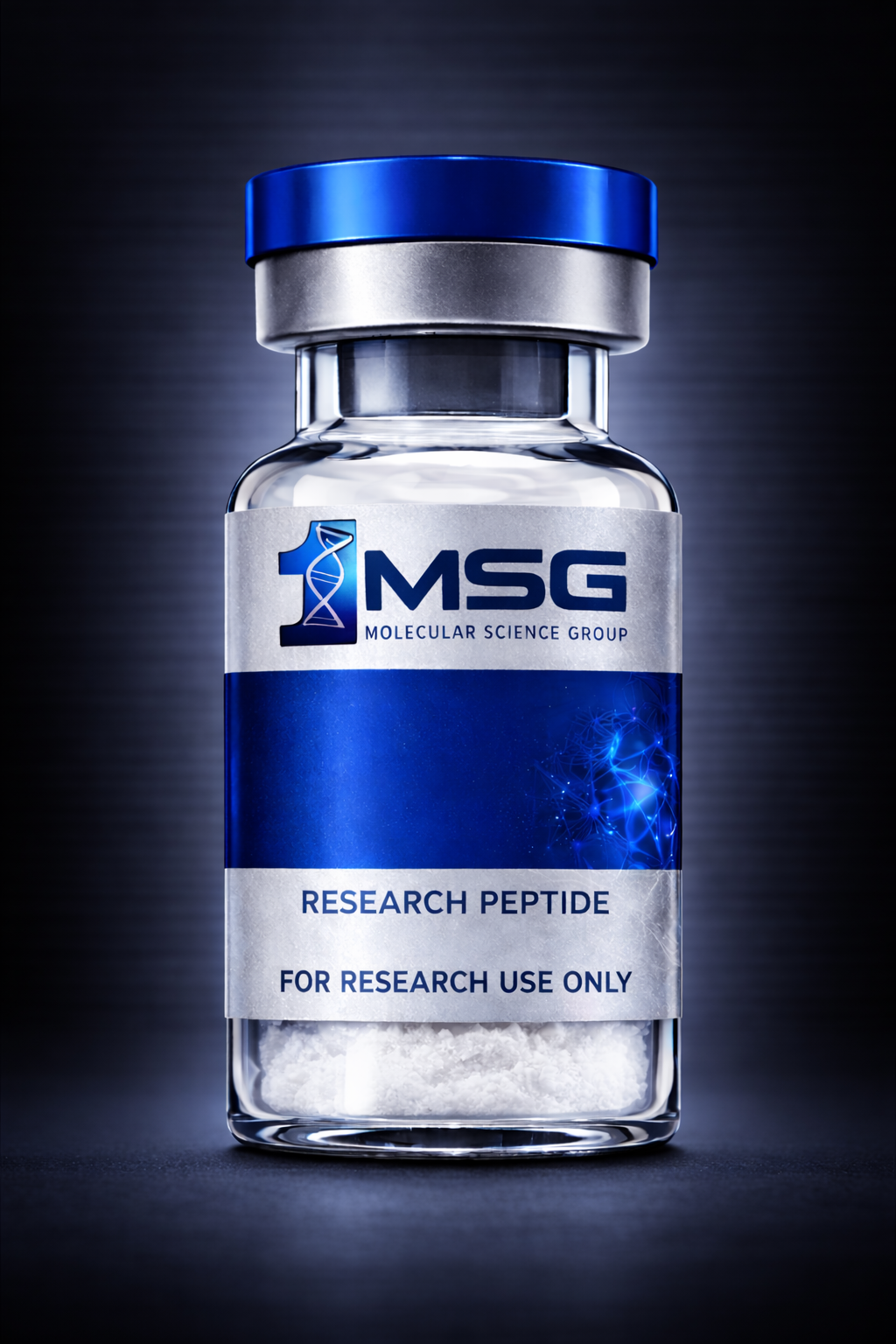
HMG is sold for research use only. It is intended for laboratory and investigational contexts. Customers interested in this product are usually looking for a compound with established relevance in reproductive hormone research and a profile that is broader than single-pathway gonadotropin alternatives.
If you are comparing research peptides and hormone-related compounds, HMG is often discussed for its balanced FSH/LH activity, endocrine relevance, and continued attention in reproductive signaling studies.
Reviews
There are no reviews yet.