
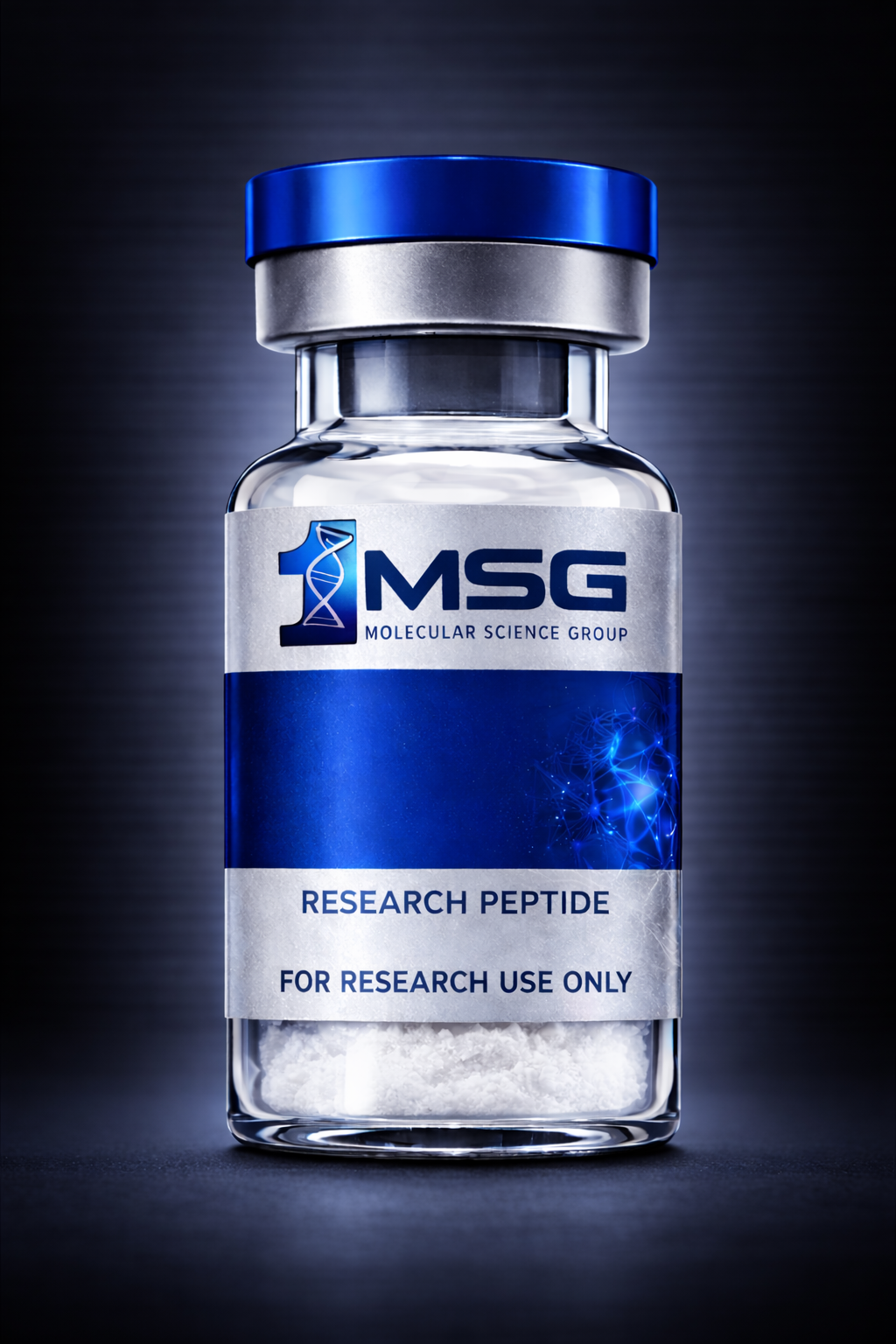
Description
What is LL37?
LL37 is a naturally occurring antimicrobial peptide derived from the human cathelicidin family. In plain English, it is one of the body’s built-in defense peptides that researchers study because it appears to play a role in immune signaling, skin and barrier function, microbial defense, and tissue recovery.
LL37 is not just discussed as a simple antimicrobial compound. It has gained attention because researchers are interested in how it may influence the local environment around stressed or damaged tissue, including signaling related to inflammation, wound response, and cellular communication. That broader activity is a major reason LL37 is often discussed in recovery-focused research.
For customers browsing this catalog, LL37 is appealing because it sits at the intersection of defense, repair, and recovery research. It is commonly compared to other peptides that are being studied for regenerative interest, but LL37 stands out due to its close connection to innate immune biology.
How LL37 Works
In simple terms, LL37 is being studied for how it helps the body respond to challenges at the tissue level. Researchers are interested in its ability to interact with cell membranes, immune messengers, and repair-related signaling pathways.
- Innate immune signaling: LL37 is part of the body’s first-line defense system and is often studied for how it helps coordinate early immune responses.
- Barrier and skin interest: It has shown research relevance in skin integrity, epithelial defense, and surface-level recovery discussions.
- Microbial interaction: LL37 is widely known for antimicrobial peptide activity and is often discussed for how it interacts with bacteria and other microbes in research settings.
- Inflammatory balance: Researchers are interested in how LL37 may influence inflammatory signaling rather than acting as a one-dimensional compound.
- Tissue recovery signaling: LL37 has shown interest in studies involving wound environment response, cellular recruitment, and repair-related communication.
Because of this multi-layered activity, LL37 is often discussed as more than a basic peptide. It is being studied as a signaling molecule that may influence how tissue responds under stress.
Why LL37 Is Getting Attention
LL37 has gained attention because it connects several high-interest areas of peptide research in one compound. Instead of being limited to a single narrow category, it is commonly discussed in relation to:
- Recovery research
- Skin and barrier support interest
- Innate immune function studies
- Localized tissue response
- Microbial defense discussions
Researchers are especially interested in compounds like LL37 because they may help explain how the body naturally coordinates defense and repair at the same time. That overlap is one reason LL37 is often discussed in advanced peptide circles and recovery-focused product searches.
Potential Benefits Being Studied
LL37 is being studied for a range of research interests. While outcomes are not guaranteed and research is still evolving, common areas of attention include:
- Skin recovery and surface repair interest
- Barrier integrity and epithelial support research
- Antimicrobial peptide activity
- Inflammatory signaling modulation
- Tissue environment and wound-response studies
- Recovery-related cellular communication
People interested in LL37 are often looking for a peptide that is commonly studied for both defense-related and recovery-related mechanisms, rather than one that fits only into a single category.
What Makes LL37 Stand Out
What makes LL37 different is that it is already part of the body’s natural biology. That matters because researchers often pay close attention to endogenous peptides that appear to serve multiple roles in normal tissue function.
- Naturally derived relevance: LL37 is based on a peptide the body already uses in innate defense.
- Broad scientific interest: It is often discussed across immunology, dermatology, barrier research, and recovery studies.
- Multi-functional profile: LL37 is not only associated with microbial defense, but also with signaling related to repair and tissue response.
- Recovery category fit: It has become increasingly relevant for customers seeking peptides being studied for restoration and resilience support.
Compared with peptides that are mainly discussed for growth signaling or body composition interest, LL37 is more commonly associated with defense-response biology, skin-related research, and local recovery mechanisms.
Who Is Interested in LL37?
LL37 commonly attracts attention from customers and researchers interested in:
- Recovery-focused peptide research
- Skin and barrier-related study topics
- Innate immune peptide science
- Compounds often discussed for tissue response and repair signaling
- Advanced research peptides with broad mechanistic interest
If you are exploring peptides that have gained attention for how they may influence the body’s natural defense-and-repair communication, LL37 is one of the more distinctive options in the category.
Important Research Perspective
LL37 is a specialized research compound with growing scientific interest. Discussions around this peptide often focus on mechanism, signaling, and study relevance rather than simple one-line claims. That is exactly why it continues to stand out: researchers are interested in LL37 because it appears to sit at a meaningful crossroads between immune awareness, barrier function, and recovery biology.
For shoppers comparing advanced peptides in the Recovery category, LL37 offers a unique profile that is commonly discussed for innate defense signaling, skin-related interest, and tissue recovery research.
Reviews
There are no reviews yet.