
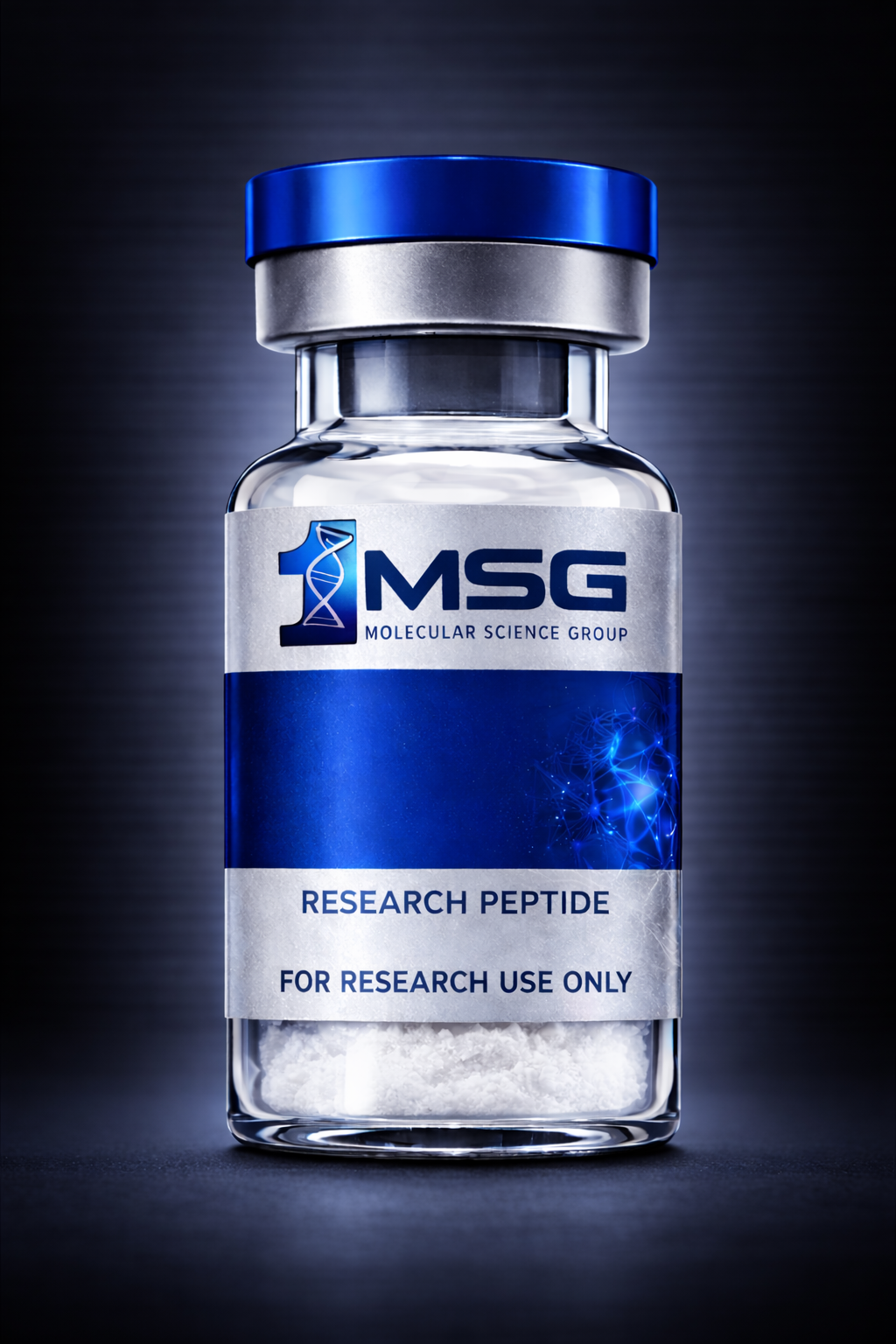
Description
What is Melanotan Ⅱ (MT-2)?
Melanotan Ⅱ (MT-2) is a synthetic peptide analog of alpha-melanocyte-stimulating hormone (α-MSH), a naturally occurring signaling molecule involved in the body’s melanocortin system. In plain English, it is a lab-made peptide designed to interact with receptors linked to pigmentation, appetite signaling, and other melanocortin-related functions.
MT-2 is best known for being studied in connection with melanin production and tanning-related research. That is the main reason many people recognize the name. However, researchers are also interested in it because melanocortin receptors are involved in several biological pathways beyond skin pigmentation, which has made MT-2 a widely discussed compound in peptide research circles.
For customers browsing research peptides, MT-2 stands out because it is one of the more recognizable melanocortin analogs and is often discussed for its visible, easy-to-understand research relevance.
How Melanotan Ⅱ (MT-2) Works
MT-2 is being studied for how it interacts with melanocortin receptors, especially receptor pathways associated with pigment signaling. In simple terms, these receptors help regulate how the body responds to certain hormonal signals related to skin coloration and other physiological processes.
Researchers are interested in MT-2 because melanocortin signaling has been associated with multiple areas of study, including:
- Melanin production and pigmentation response
- UV-response related cosmetic research
- Appetite-related signaling
- Libido-related study interest
- Broader melanocortin receptor biology
Because it acts on a receptor family with wide biological relevance, MT-2 is often discussed as more than just a tanning-related peptide. That broader receptor activity is a major reason it continues to receive attention.
Why Melanotan Ⅱ (MT-2) Is Getting Attention
MT-2 has gained attention largely because it is commonly associated with pigmentation research and is one of the best-known compounds in that category. In research discussions, it is often brought up when comparing peptide-based approaches to melanocortin activation.
Researchers are interested in MT-2 for several reasons:
- It is closely tied to visible pigmentation-related outcomes in research settings
- It has shown interest in studies involving melanocortin receptor activation
- It is often discussed for cosmetic-adjacent peptide research
- It is commonly compared to other compounds that influence skin tone and tanning pathways
- It has broader study interest due to its relationship with appetite and behavioral signaling pathways
This combination of cosmetic relevance and receptor-level scientific interest is what makes MT-2 especially notable in the research peptide category.
Potential Benefits Being Studied
As a research compound, MT-2 is being studied for several areas of interest. These are research topics, not guaranteed outcomes:
- Pigmentation support in research models
- Melanocortin receptor pathway activity
- Sunless tanning-related peptide investigation
- Appetite-related signaling interest
- Libido and behavioral pathway discussion in studies
- Cosmetic and dermatology-adjacent peptide research
What makes MT-2 especially interesting is that it is not only studied for one narrow purpose. Instead, it sits at the intersection of appearance-focused research and systemic receptor biology, which gives it unusually broad visibility.
What Makes Melanotan Ⅱ (MT-2) Stand Out
There are many peptides in the research space, but MT-2 stands out because it is both highly recognizable and mechanistically interesting. Even people new to peptide research often encounter MT-2 early because its main area of attention—pigmentation—is easy to understand.
Key reasons it stands out include:
- Strong name recognition in research peptide catalogs
- Direct relevance to melanocortin receptor science
- Frequent discussion in pigmentation and cosmetic research contexts
- Broader interest beyond skin appearance alone
- Common comparison point for other melanocortin-related compounds
For many researchers, MT-2 is appealing because it combines a clear research identity with broader biological interest. That makes it a practical choice for those specifically focused on melanocortin pathways.
Who Is Interested in Melanotan Ⅱ (MT-2)?
MT-2 is commonly explored by researchers interested in:
- Pigmentation and melanin biology
- Melanocortin receptor signaling
- Cosmetic-adjacent peptide science
- Appetite and behavioral pathway research
- Comparative peptide studies
If you are looking through the research peptide catalog and want a compound with strong visibility, clear mechanism-based interest, and broad discussion in the peptide space, Melanotan Ⅱ (MT-2) is one of the most talked-about options.
Research Use Reminder
Melanotan Ⅱ (MT-2) is supplied for research purposes only. It is not presented as a product intended to diagnose, treat, cure, or prevent any disease. Customers interested in MT-2 are typically drawn to its role in melanocortin pathway research, pigmentation studies, and related peptide investigation.

Reviews
There are no reviews yet.