
Description
What is Melatonin?
Melatonin is a naturally occurring molecule most commonly associated with the body’s internal clock, also called the circadian rhythm. In plain English, it is one of the key signals the body uses to recognize when it is dark and when it may be time to wind down. Because of that role, melatonin has become one of the most recognized compounds in sleep and rhythm research.
Beyond sleep timing, melatonin is also being studied for its broader role in cellular signaling, antioxidant activity, mitochondrial function, and neuroendocrine balance. Researchers are interested in it not only because it is familiar, but because it sits at the intersection of light exposure, biological timing, recovery, and whole-body regulation.
For customers browsing research compounds, melatonin stands out as a molecule that is both easy to recognize and scientifically relevant across multiple areas of study. It is often discussed for circadian support research, nighttime signaling, and oxidative stress interest.
How Melatonin Works
Melatonin is primarily known for helping communicate time-of-day information throughout the body. Rather than acting like a stimulant or sedative in the simple sense, it is better understood as a timing signal. When melatonin levels rise, the body interprets that as a cue related to darkness and nighttime physiology.
In research discussions, melatonin is commonly associated with:
- Circadian rhythm signaling and sleep-wake timing
- Response to light and darkness, especially evening light exposure
- Neuroendocrine coordination tied to biological rhythms
- Antioxidant defense and free-radical balance
- Mitochondrial interest in studies involving cellular energy and stress response
This is one reason melatonin is often compared to other compounds involved in recovery, relaxation, or rhythm regulation. Its appeal is not just that it is familiar, but that it may influence multiple systems connected to timing and restoration.
Why Melatonin Is Getting Attention
Melatonin has gained attention because modern life often disrupts the very systems it is associated with. Artificial light at night, irregular schedules, travel, shift work, and screen exposure have all increased interest in compounds linked to circadian alignment.
Researchers are interested in melatonin because it is commonly discussed in relation to:
- Sleep onset and sleep timing research
- Jet lag and schedule-shift studies
- Recovery quality and nighttime physiology
- Oxidative stress and cellular protection interest
- Brain and nervous system research involving rhythm-dependent processes
It is also frequently mentioned in conversations about healthy aging, since circadian signaling and nighttime recovery patterns are often discussed as important parts of long-term physiological resilience.
Potential Benefits Being Studied
Melatonin is being studied across a surprisingly broad range of topics. While it is best known for sleep-related interest, that is only part of the picture. Current scientific attention often includes:
- Circadian rhythm regulation and biological clock alignment
- Sleep quality and sleep latency research
- Antioxidant activity in cellular and tissue models
- Mitochondrial support interest in stress-related research
- Neuroprotection discussions in studies of brain health and signaling
- Immune and inflammatory pathway interest in selected research settings
Because of this range, melatonin is commonly compared to other compounds that are being studied for recovery, relaxation, or neurobiological support. What makes melatonin different is that it is deeply tied to the body’s natural timing systems rather than simply being discussed as a general calming agent.
What Makes Melatonin Stand Out
Melatonin stands out because it is both simple to understand and scientifically versatile. Many compounds gain attention for one narrow mechanism. Melatonin, by contrast, is relevant to several interconnected areas:
- It is a well-known circadian signal
- It has shown interest in studies involving sleep timing
- It is often discussed for antioxidant and mitochondrial research
- It is relevant to modern concerns like light exposure, travel, and irregular schedules
- It remains one of the most recognized molecules in nighttime physiology research
For many researchers and informed shoppers, that combination makes melatonin a practical and compelling catalog item. It is familiar enough to be approachable, yet broad enough to remain highly relevant in ongoing scientific discussion.
Who Is Interested in Melatonin Research?
Melatonin often attracts attention from those following research related to:
- Sleep and circadian biology
- Recovery and rest quality
- Brain health and neuroendocrine signaling
- Oxidative stress and cellular resilience
- Travel, shift-work, or light-disruption models
If you are looking at melatonin in a research catalog, the main reason people care is straightforward: it is one of the most discussed compounds for how the body interprets nighttime, organizes internal rhythms, and supports rhythm-dependent recovery processes.
Important Research Perspective
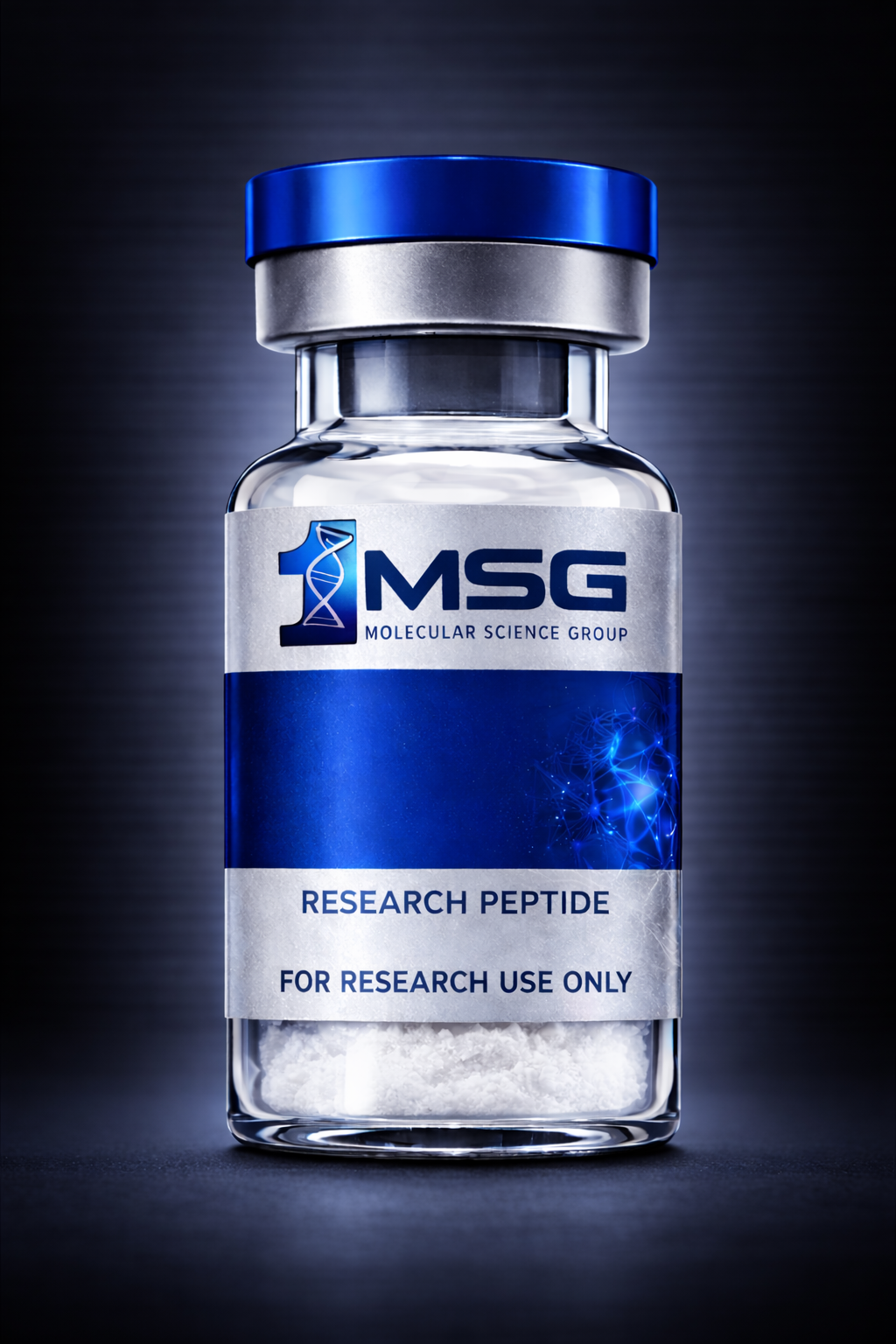
Melatonin is a research compound of ongoing scientific interest. Discussions around this molecule often focus on biological timing, antioxidant properties, and nighttime signaling pathways. While it has gained significant attention in studies, research findings vary by model, context, and formulation.
This product is intended for research use only. It is not presented as a treatment or cure for any disease or medical condition, and no guaranteed outcomes should be assumed.
Reviews
There are no reviews yet.