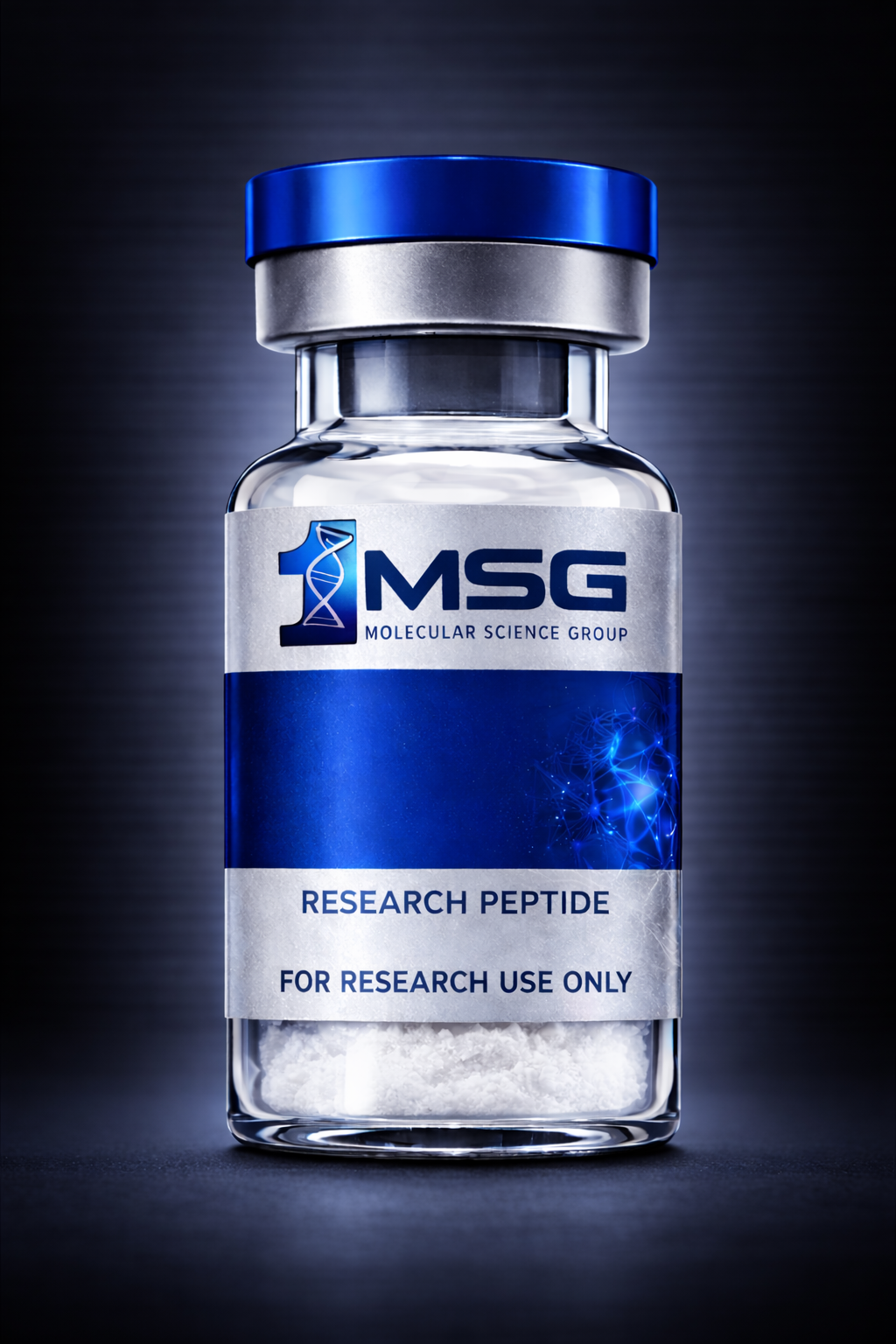
Description
What is PEG-MGF?
PEG-MGF is a PEGylated form of mechano growth factor (MGF), a peptide associated with the broader IGF-1 signaling family. In simple terms, MGF is a splice variant linked to the body’s response to mechanical stress, especially in muscle tissue. The addition of PEG (polyethylene glycol) is used to extend how long the peptide remains available in research settings, which is one reason PEG-MGF has gained so much attention.
Researchers are interested in PEG-MGF because it is being studied for how it may interact with repair-related signaling, muscle adaptation pathways, and recovery processes after strain or exertion. Compared with standard MGF, the PEGylated version is often discussed for its longer-lasting research profile and broader experimental utility.
How PEG-MGF Works
PEG-MGF is commonly explored in relation to growth factor signaling and the body’s natural response to mechanical load. MGF itself is often described as part of the early signaling response that may occur after muscle stress or micro-damage. In research discussions, PEG-MGF is frequently associated with pathways involved in:
- Muscle repair signaling after mechanical stress
- Satellite cell activation interest, which is often discussed in muscle regeneration research
- IGF-related pathway activity connected to tissue adaptation
- Recovery and body composition research where growth factor peptides are being studied
- Extended peptide availability due to PEGylation
In plain English, this means PEG-MGF is being studied as a peptide that may help researchers examine how tissues respond to stress, recover, and adapt over time.
Why PEG-MGF Is Getting Attention
PEG-MGF has gained attention because it sits at the intersection of several high-interest research areas: muscle biology, recovery signaling, IGF pathway activity, and peptide stability. Researchers often compare it to other peptides in the IGF category because of its connection to mechanical stress response rather than simply general growth signaling alone.
Some of the reasons it is commonly discussed include:
- Interest in post-training or post-stress signaling models
- Attention around muscle regeneration and adaptation research
- Its relationship to IGF-1 pathway science
- The potential advantage of PEGylation for longer activity windows
- Use in studies exploring recovery-focused peptide comparisons
For customers browsing research peptides, PEG-MGF stands out because it is not just another general peptide. It is specifically associated with the body’s response to mechanical challenge, which makes it especially interesting in studies involving muscle tissue, repair signaling, and adaptation mechanisms.
Potential Benefits Being Studied
While research is ongoing and outcomes can vary depending on the model, PEG-MGF is often discussed for several areas of scientific interest:
- Muscle recovery interest following mechanical load or exertion
- Tissue repair signaling in controlled research settings
- Body composition-related research involving anabolic and regenerative pathways
- Satellite cell and regenerative biology interest
- Extended observation potential compared with non-PEGylated variants
It has shown interest in studies focused on how growth factor-related peptides may influence the early stages of tissue response. Because of this, PEG-MGF is often discussed by researchers looking at the signaling side of recovery rather than only end-result growth outcomes.
What Makes PEG-MGF Stand Out
What makes PEG-MGF different is the combination of MGF biology and PEGylation. MGF itself is already notable because it is linked to mechanical stress response. PEGylation adds another layer of interest by helping extend the peptide’s presence in research applications.
This makes PEG-MGF commonly compared to:
- MGF for duration and handling differences in study design
- IGF-1 LR3 for broader IGF-pathway comparisons
- Recovery-focused peptides used in muscle and tissue signaling research
Researchers who want to study a peptide tied more specifically to repair and adaptation signaling often find PEG-MGF especially compelling.
Who Is Interested in PEG-MGF Research?
PEG-MGF is commonly explored by those interested in:
- Muscle physiology research
- Growth factor and IGF pathway studies
- Recovery and regeneration signaling
- Body composition and adaptation models
- Peptide stability and duration comparisons
If you are looking at research peptides and want a compound that is closely associated with mechanical stress response, repair-related signaling, and extended study interest, PEG-MGF is one of the most talked-about options in this category.
Important Research Note
PEG-MGF is sold for research use only. It is not approved to diagnose, treat, cure, or prevent any disease. This compound is intended for laboratory and scientific investigation by qualified professionals.