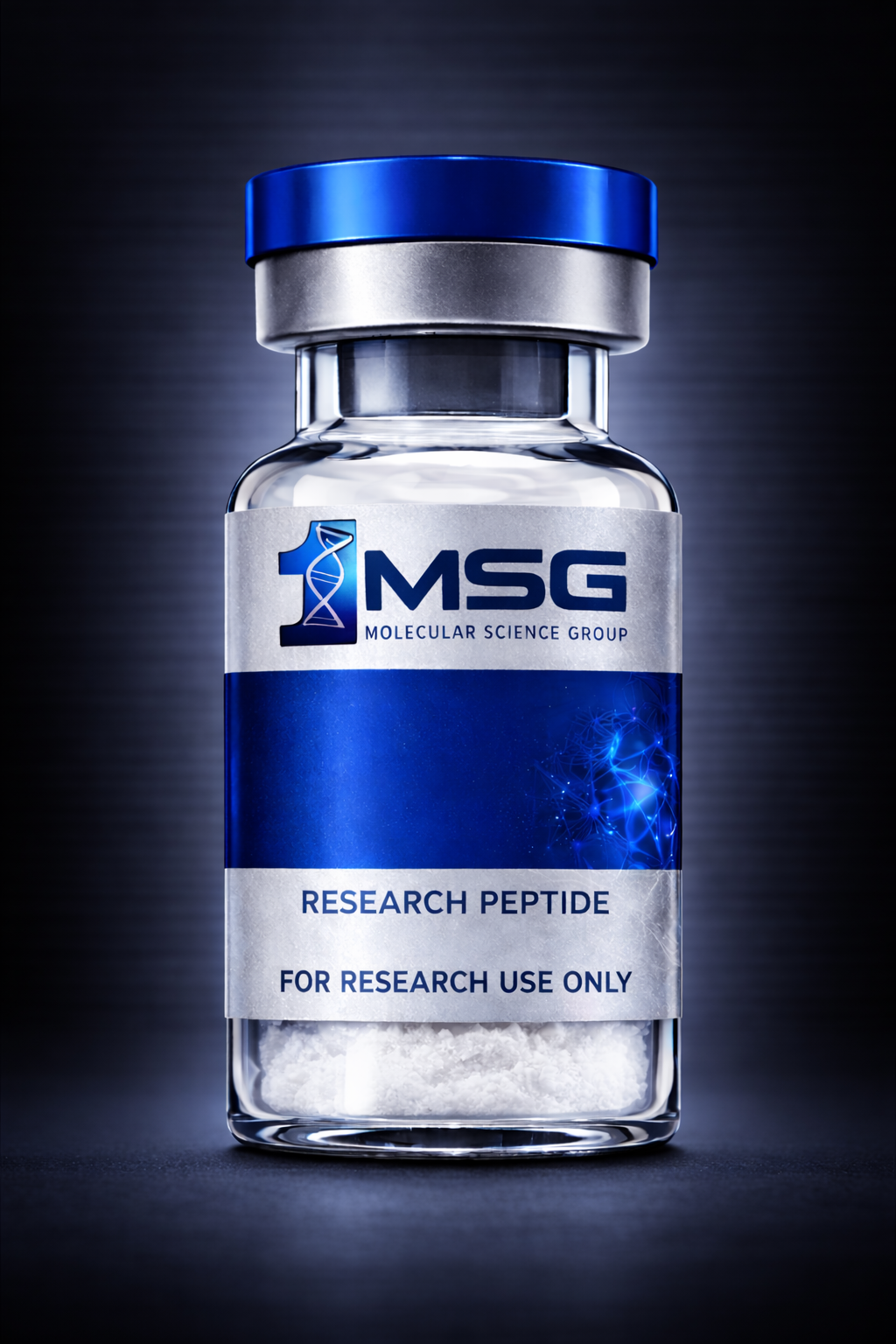
Description
What is Semaglutide (Card tube without pen (in stock))?
Semaglutide (Card tube without pen (in stock)) is a peptide-based GLP-1 receptor agonist presentation that has become one of the most talked-about compounds in metabolic research. In plain English, it is a compound being studied for how it may influence appetite signals, glucose regulation, gastric emptying, and overall metabolic behavior.
This specific product is supplied as a card tube without pen, which is important for customers who want the semaglutide format itself but do not need a pen-style delivery device included. Because semaglutide has gained broad clinical and research attention, it is often searched by customers interested in compounds commonly discussed for weight-management research, satiety signaling, and metabolic support pathways.
Rather than being just another metabolic listing, semaglutide stands out because researchers are interested in how strongly it interacts with pathways tied to hunger perception, meal size, blood sugar handling, and energy intake behavior.
How Semaglutide (Card tube without pen (in stock)) Works
Semaglutide is a GLP-1 receptor agonist. GLP-1 is a naturally occurring incretin hormone involved in signaling after food intake. Semaglutide is being studied because it mimics this signaling in a longer-lasting way.
In simple terms, semaglutide is often discussed for its potential to influence:
- Appetite signaling and feelings of fullness
- Glucose regulation and post-meal metabolic response
- Gastric emptying rate, which may affect how quickly food leaves the stomach
- Food intake behavior and interest in eating
- Metabolic efficiency in the context of body composition research
This combination is a major reason semaglutide has gained so much attention. Instead of focusing on only one pathway, it is commonly compared to other metabolic compounds because it appears to interact with several relevant systems at once.
Why Semaglutide (Card tube without pen (in stock)) Is Getting Attention
Semaglutide has become highly visible because it is one of the best-known compounds being studied in the modern metabolic category. Researchers are interested in it not only for glucose-related pathways, but also for how it may affect satiety, calorie intake, and body weight trends in study settings.
It is often discussed because of observed interest in studies involving:
- Reduced appetite and earlier fullness signals
- Changes in eating behavior and portion size
- Supportive effects on glucose-related markers
- Broader metabolic research involving body weight management
- Longer-acting GLP-1 pathway engagement compared to some older compounds
For many customers browsing the catalog, semaglutide matters because it is one of the most recognized names in the metabolic and appetite-regulation space. It is commonly compared to other GLP-1 based compounds, but often stands out due to the level of clinical interest surrounding it.
Potential Benefits Being Studied
Like many compounds in this category, semaglutide is being studied for a range of metabolic and appetite-related outcomes. While no outcome can be guaranteed, common areas of interest include:
- Appetite control research
- Satiety and fullness signaling
- Glucose metabolism support pathways
- Body composition and weight-management interest
- Meal response and post-prandial metabolic behavior
- Energy intake regulation
Because of these overlapping areas, semaglutide has gained attention among customers looking for compounds that are often discussed for metabolic efficiency, hunger-related signaling, and modern body composition research.
What Makes Semaglutide (Card tube without pen (in stock)) Stand Out
There are several reasons semaglutide continues to stand out in the metabolic category:
- Strong name recognition in metabolic and GLP-1 research discussions
- Broad interest across appetite and glucose pathways
- Frequently compared to other incretin-related compounds
- Often discussed for satiety-focused research
- Convenient card tube format without pen for customers who do not need a bundled device
- In-stock availability for quicker ordering decisions
For shoppers evaluating metabolic products, this is the kind of compound that attracts attention because it is already widely recognized and commonly referenced in ongoing clinical interest. If your focus is on compounds being studied for appetite, glucose response, and metabolic regulation, semaglutide is one of the most relevant options in the category.
Who Is Interested in Semaglutide?
Semaglutide is commonly viewed by customers interested in:
- Metabolic research compounds
- GLP-1 receptor agonist products
- Appetite and satiety pathway interest
- Body composition and weight-management research topics
- Glucose regulation and meal-response study areas
This broad appeal is part of why semaglutide remains a high-interest product. It is not just being discussed for one narrow mechanism. Instead, it sits at the intersection of hunger signaling, metabolic control, and glucose-related research attention.
Important Product Note
This listing is for Semaglutide (Card tube without pen). The pen device is not included. Customers specifically seeking the card tube presentation without a pen will find this format relevant to their needs.
As with all research compounds, semaglutide should be understood in the context of product specifications, storage expectations, and intended catalog use. Product interest is driven by research and market attention, not by guaranteed outcomes.