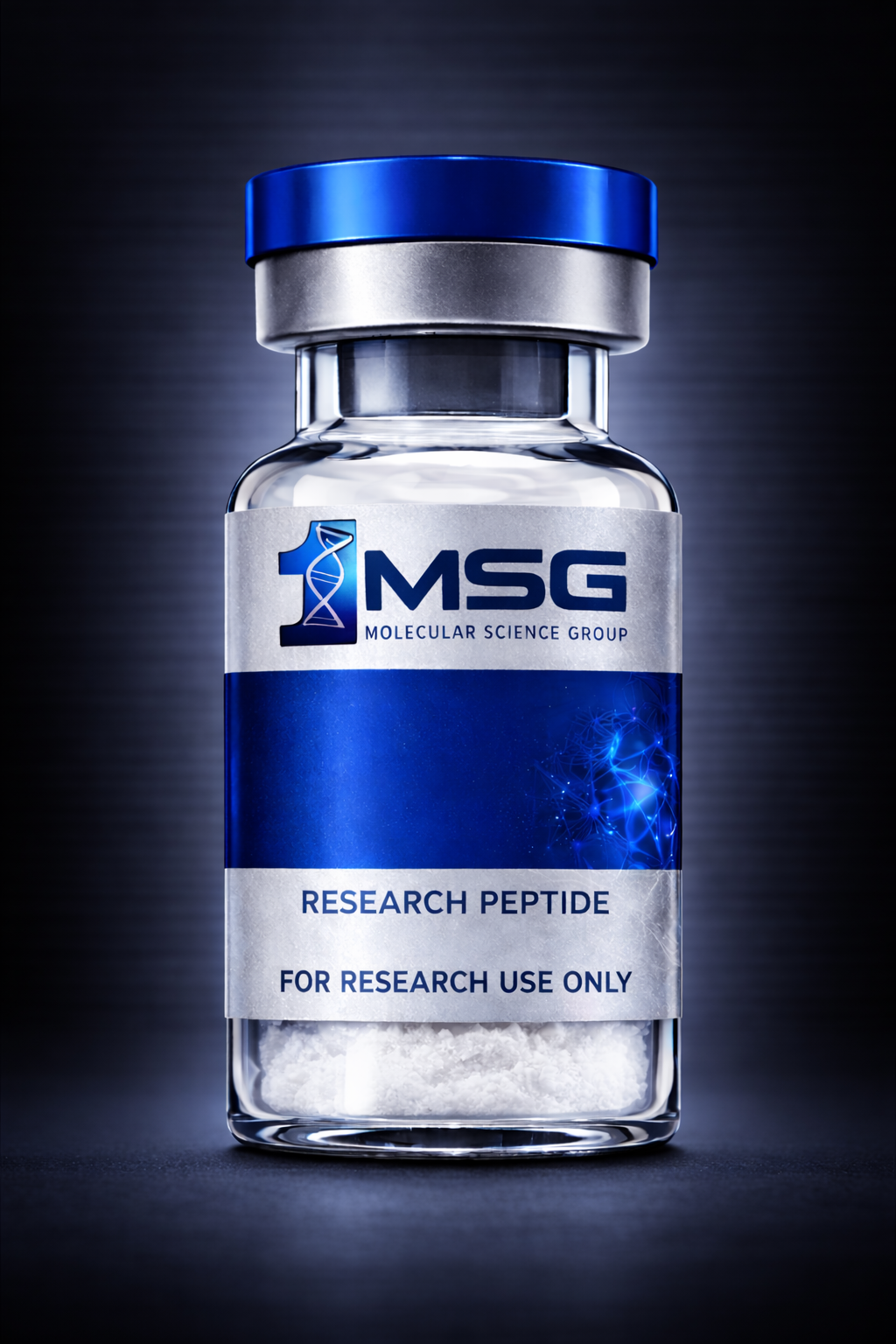
Description
What is Thymosin Alpha-1(TA)?
Thymosin Alpha-1 (TA1) is a naturally occurring peptide associated with the thymus, a gland that plays an important role in immune system development and regulation. In plain English, TA1 is best known as an immune-related signaling peptide that researchers study for how it may help the body coordinate normal immune responses.
Rather than being discussed as a general wellness ingredient, Thymosin Alpha-1 has gained attention for its connection to immune modulation. Researchers are interested in it because it appears to interact with key parts of the immune system involved in defense, communication, and balance. That makes it a notable compound in conversations around immune resilience, recovery support research, and inflammatory signaling.
For customers browsing this category, the main reason TA1 stands out is simple: it is commonly studied as a peptide that may help support organized immune activity, especially in settings where immune function, stress response, or recovery are being closely observed.
How Thymosin Alpha-1(TA) Works
In simple terms, Thymosin Alpha-1 is being studied for how it may help the immune system respond in a more coordinated way. It is often discussed in relation to T-cell activity, antigen presentation, innate immune signaling, and inflammatory balance.
Researchers are interested in TA1 because it may influence immune function through mechanisms such as:
- Supporting T-cell maturation and activity, which are central to adaptive immune response
- Encouraging immune signaling balance rather than simple overstimulation
- Interacting with innate immune pathways involved in early defense responses
- Helping regulate cytokine-related communication, a major topic in immune research
- Supporting immune recognition processes that help the body respond to challenges appropriately
This is one reason TA1 is often discussed differently from compounds that are simply marketed as “immune boosters.” The research interest around it is more nuanced. Thymosin Alpha-1 is being studied for immune modulation and immune intelligence, not just broad stimulation.
Why Thymosin Alpha-1(TA) Is Getting Attention
TA1 has drawn growing interest because immune health is no longer viewed as a one-dimensional topic. Researchers now pay closer attention to how the immune system communicates, adapts, and maintains balance under pressure. In that context, Thymosin Alpha-1 has shown interest in studies involving immune regulation, inflammatory response, and host defense support.
It is also getting attention because it is commonly compared to other immune-related peptides, yet it occupies its own niche. While some peptides are discussed for tissue repair, body composition, or recovery signaling, TA1 is more specifically associated with immune education and immune coordination.
Areas where researchers often discuss TA1 include:
- Immune system resilience
- Recovery-focused immune support research
- Inflammatory signaling balance
- T-cell and dendritic cell related interest
- Host defense and immune readiness studies
This broad research relevance is a major reason customers searching for advanced immune support compounds often look specifically for Thymosin Alpha-1.
Potential Benefits Being Studied
Like many research peptides, TA1 is being explored for a range of possible applications. While outcomes can vary by study design and context, Thymosin Alpha-1 has gained attention for several key areas of clinical and preclinical interest.
- Immune balance: Often discussed for helping support a more regulated immune response
- T-cell support: Researchers are interested in its relationship to adaptive immune function
- Inflammatory response research: Commonly studied for how it may influence immune signaling pathways
- Recovery interest: Has shown interest in studies where immune strain or physiological stress is a factor
- Host defense support: Often discussed in the context of normal immune vigilance and response coordination
These are not guarantees of outcome, but they help explain why TA1 continues to be a peptide of interest in immune support research.
What Makes Thymosin Alpha-1(TA) Stand Out
What makes TA1 especially appealing to researchers and informed buyers is that it is not usually framed as a one-purpose compound. Instead, it is valued for its role in immune communication and for the way it may help support a more organized immune response.
Key reasons it stands out include:
- Strong association with thymic immune signaling
- Broad research interest across immune regulation topics
- Frequently discussed for immune balance rather than simple stimulation
- Relevant to both innate and adaptive immune research
- Recognized in peptide discussions focused on resilience and recovery support
For many customers, that combination makes Thymosin Alpha-1(TA) one of the more interesting peptides in the immune support category.
Who Is Interested in Thymosin Alpha-1(TA)?
TA1 is often sought out by people following developments in peptide science, immune signaling research, and advanced recovery support compounds. It may be especially interesting to those who want a peptide that is commonly discussed for immune modulation, inflammatory balance, and T-cell related study attention.
If you are comparing immune-focused peptides, TA1 is worth a closer look because it is one of the better-known compounds being studied for how the immune system organizes and regulates itself, not just how strongly it reacts.
Important Research Perspective
Thymosin Alpha-1 is a research-focused peptide with ongoing scientific interest. It is important to understand that discussions around TA1 typically center on study attention, immune signaling, and clinical interest, not guaranteed outcomes. The value of this compound lies in its relevance to modern immune research and the growing interest in peptides that may help support balanced physiological communication.