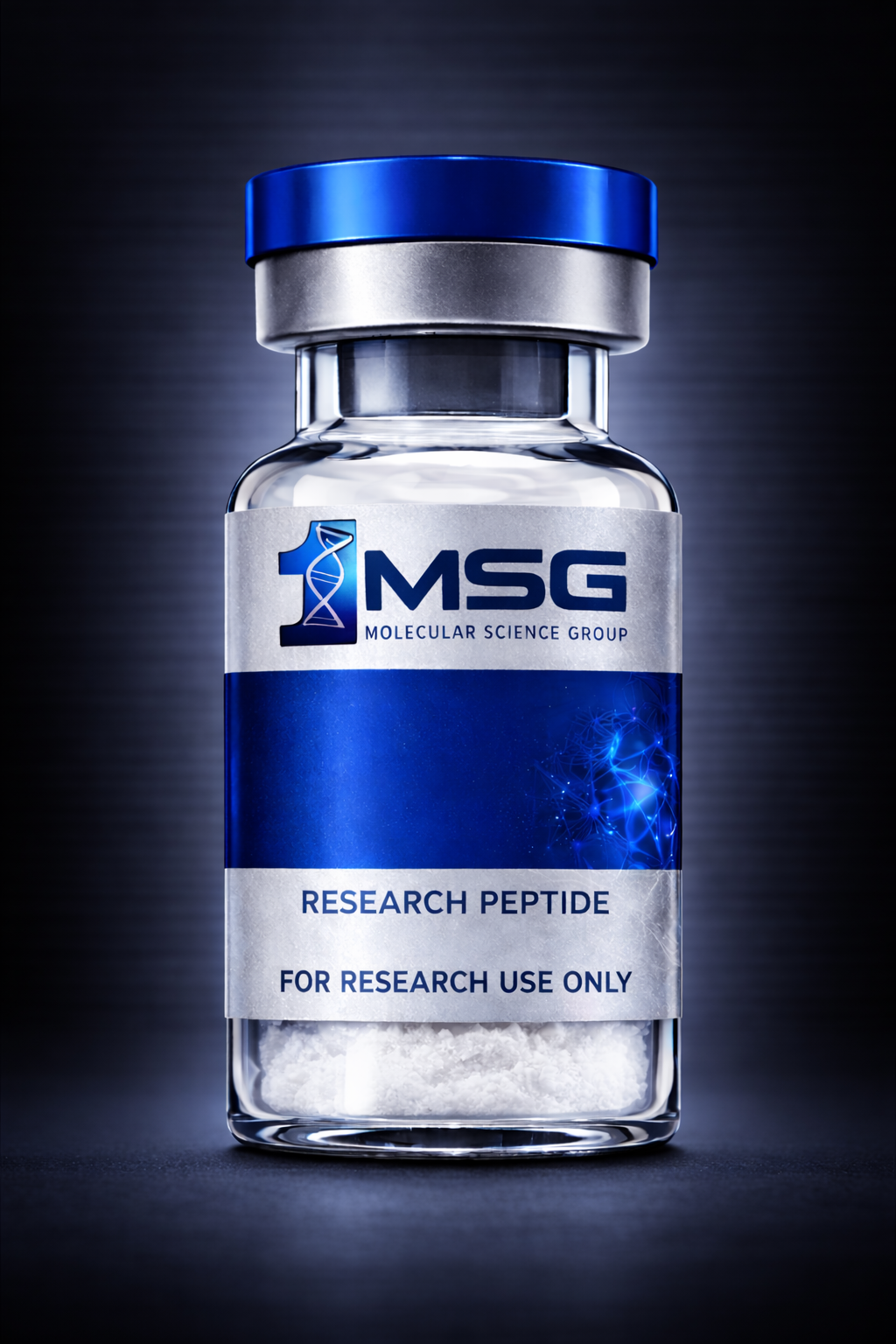
Description
What is VIP?
VIP stands for Vasoactive Intestinal Peptide, a naturally occurring peptide made up of 28 amino acids. In plain English, it is a signaling molecule the body uses to help cells communicate across several important systems. Although its name highlights the intestinal tract, VIP is not limited to digestion. It is also found in the nervous system, lungs, immune tissues, and other areas where coordinated signaling matters.
Researchers are interested in VIP because it appears to act like a multifunction messenger. It has gained attention for being studied in connection with neuroimmune signaling, smooth muscle relaxation, vascular tone, inflammatory balance, and gastrointestinal activity. That broad relevance is a major reason VIP continues to attract scientific and clinical interest.
How VIP Works
VIP works by binding to specific receptors, primarily VPAC1 and VPAC2, which are found on many different cell types. Once these receptors are activated, VIP can influence intracellular signaling pathways that help regulate how cells respond to stress, inflammation, contraction, secretion, and communication.
In simple terms, VIP is being studied because it may help coordinate how the body responds when multiple systems need to work together.
- Immune signaling: often discussed for its role in helping regulate inflammatory messengers and immune cell behavior
- Nervous system activity: being studied for neuropeptide signaling and communication between nerves and tissues
- Smooth muscle effects: has shown interest in studies involving airway, vascular, and intestinal smooth muscle relaxation
- Secretory function: researched for effects on fluid movement, mucus activity, and glandular signaling
- Circulatory relevance: commonly explored for its relationship to blood vessel tone and local tissue perfusion
Why VIP Is Getting Attention
VIP is getting attention because few peptides are discussed across as many systems at once. Rather than being limited to a single narrow pathway, VIP is often studied as a regulatory peptide with potential relevance to the lungs, gut, brain, and immune environment.
Researchers are especially interested in compounds like VIP when they appear to influence both signaling and tissue response. This makes VIP a frequent topic in discussions around:
- Respiratory research
- Gut-brain and gastrointestinal signaling
- Neuroimmune communication
- Inflammatory pathway modulation
- Cellular protection and tissue environment balance
Because of this broad activity profile, VIP is commonly compared to other peptides being studied for systemic signaling support rather than a single isolated mechanism.
Potential Benefits Being Studied
VIP is being studied for a number of research areas tied to its receptor activity and signaling profile. While interest continues to grow, these areas remain topics of ongoing investigation rather than established outcomes.
- Respiratory pathway interest: VIP has gained attention for its involvement in airway signaling and smooth muscle relaxation research
- Inflammatory balance: often discussed for its interaction with cytokine signaling and immune regulation pathways
- Gastrointestinal research: studied for intestinal motility, secretion, mucosal signaling, and gut communication
- Neurological interest: researchers are interested in VIP for neuropeptide signaling, circadian-related pathways, and nervous system communication
- Vascular and tissue response: commonly explored for circulation-related signaling and local tissue environment effects
These are some of the reasons VIP remains a notable peptide in advanced research settings.
What Makes VIP Stand Out
What makes VIP stand out is its combination of natural origin, receptor specificity, and broad physiological relevance. Many peptides attract attention for one main category of study. VIP is different because it is often discussed in connection with several major systems at the same time.
- Endogenous peptide: naturally produced in the body
- Multi-system relevance: linked to immune, neurological, respiratory, vascular, and gastrointestinal pathways
- Recognized signaling role: well known in peptide research as a regulatory messenger
- Ongoing study interest: continues to be evaluated in both mechanistic and translational research discussions
For customers browsing research peptides, VIP is appealing because it represents a peptide with high biological relevance and wide scientific interest. It is not just a niche compound. It is a peptide that researchers often look at when they want to explore how signaling networks influence tissue behavior and system-wide communication.
Who Typically Looks Into VIP Research?
VIP is commonly explored by researchers interested in:
- Peptide signaling and receptor biology
- Immune and inflammatory communication pathways
- Respiratory and smooth muscle research
- Gut-related peptide activity
- Neuroimmune and neuroregulatory mechanisms
Its broad relevance makes it especially interesting for those comparing peptides with more specialized compounds.
Important Research Note
VIP is offered for research use only. It is not approved as a drug, food, or dietary supplement, and it is not intended to diagnose, treat, cure, or prevent any disease. Any discussion of mechanisms, pathways, or study interest is for educational and informational purposes related to scientific research.