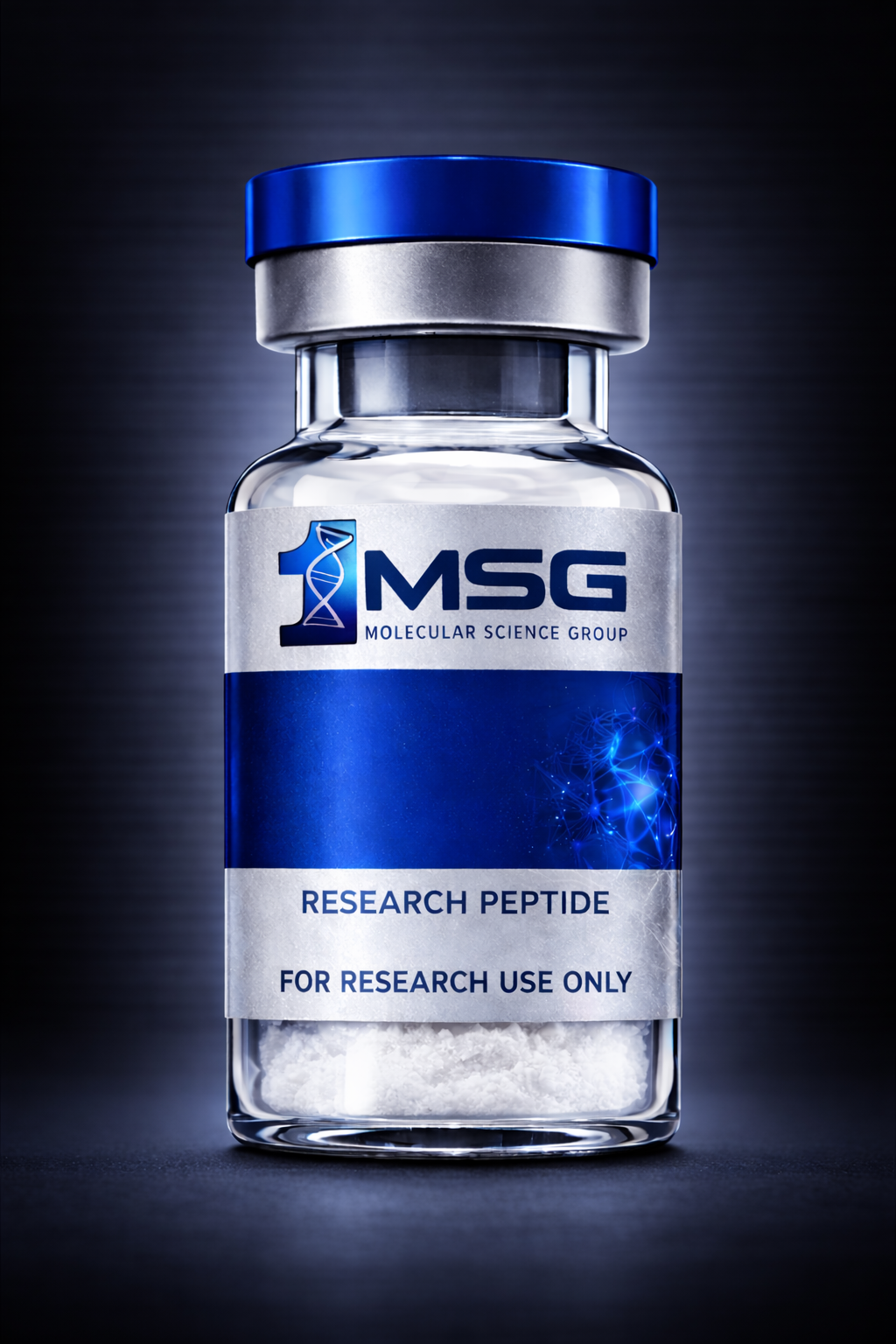
Description
What is Aicar?
Aicar, also known in research as 5-Aminoimidazole-4-carboxamide ribonucleotide, is a compound widely studied for its effects on the body’s energy-sensing systems. In plain English, researchers look at Aicar because it appears to influence how cells respond when energy is low, making it especially interesting in studies related to metabolism, endurance, glucose regulation, and body composition.
Aicar is best known for its connection to AMPK, a cellular enzyme often described as a metabolic “master switch.” When AMPK is activated, cells may shift toward energy-producing processes and away from energy-storing processes. That is a major reason Aicar has gained attention in research involving exercise-like signaling, fat metabolism, and nutrient use.
For customers browsing this catalog, Aicar stands out because it is not just another general research peptide listing. It is a compound that is often discussed in the context of metabolic efficiency, energy expenditure, and cellular adaptation, making it a frequent topic in advanced performance and metabolic research conversations.
How Aicar Works
In simple terms, Aicar is being studied because it may help trigger pathways associated with low-energy cellular states. This is why researchers are interested in it for models involving endurance, fuel selection, and glucose handling.
- AMPK pathway interest: Aicar is widely studied for its ability to influence AMPK-related signaling.
- Energy regulation: It has gained attention for how cells may alter energy use when this pathway is active.
- Glucose metabolism: Researchers often discuss Aicar in relation to glucose uptake and metabolic flexibility.
- Fat oxidation interest: It is commonly examined in studies looking at how the body may shift toward using stored energy.
- Exercise-mimetic discussion: Aicar is frequently mentioned in research because it may imitate some cellular effects associated with endurance activity.
This mechanism-focused profile is what makes Aicar so appealing in the research world. Rather than acting as a simple stimulant or generic metabolic compound, it is being studied for how it may affect the underlying signaling that helps cells decide whether to store or burn energy.
Why Aicar Is Getting Attention
Aicar has gained attention because modern metabolic research increasingly focuses on cellular signaling rather than just surface-level outcomes. Researchers are interested in compounds that may influence how the body manages fuel, responds to energy stress, and adapts to changing metabolic demands.
Aicar is often discussed for:
- Metabolic research involving energy expenditure and nutrient partitioning
- Endurance-related studies focused on exercise adaptation pathways
- Body composition interest where fuel utilization is a key topic
- Glucose regulation research examining insulin sensitivity and cellular uptake pathways
- Mitochondrial and cellular efficiency discussions tied to energy production
Because of this, Aicar is commonly compared to other compounds being studied for metabolic optimization, performance signaling, and energy balance. Its appeal comes from the fact that it is linked to a well-known biological pathway that researchers already consider highly important.
Potential Benefits Being Studied
While research is ongoing and outcomes can vary by model, Aicar has shown interest in studies involving several high-profile areas:
- Cellular energy sensing
- AMPK activation and downstream signaling
- Glucose uptake and metabolic control
- Fat metabolism and energy expenditure
- Endurance-related adaptation pathways
- Body composition and nutrient utilization research
Researchers are especially interested in how Aicar may influence the body’s response to energy demand. This is one reason it is often discussed in the same broader conversation as compounds being studied for metabolic resilience, exercise signaling, and performance-related physiology.
What Makes Aicar Stand Out
Aicar stands out because it sits at the intersection of metabolism, cell signaling, and exercise-related research. Many compounds are marketed around energy or body composition, but Aicar has gained scientific attention because it is tied to a specific and widely studied pathway rather than a vague general effect.
- Mechanism-driven interest: Strong attention around AMPK-related research
- Broad metabolic relevance: Often studied for glucose, fat use, and energy balance
- Performance research appeal: Frequently discussed in endurance and exercise-mimetic contexts
- Advanced catalog relevance: Popular among those specifically seeking metabolism-focused research compounds
If you are looking at Aicar in a research catalog, the main reason people care about it is simple: it is one of the better-known compounds associated with how cells sense and respond to energy demand. That makes it highly relevant in modern metabolic research.
Important Research Perspective
Aicar is sold for research use only. It is not approved to diagnose, treat, cure, or prevent any disease. Any discussion around metabolism, endurance, glucose handling, or body composition refers to areas of scientific study and research interest, not guaranteed outcomes.
As with any specialized research compound, proper handling, storage, and use should follow appropriate laboratory standards and institutional guidelines.