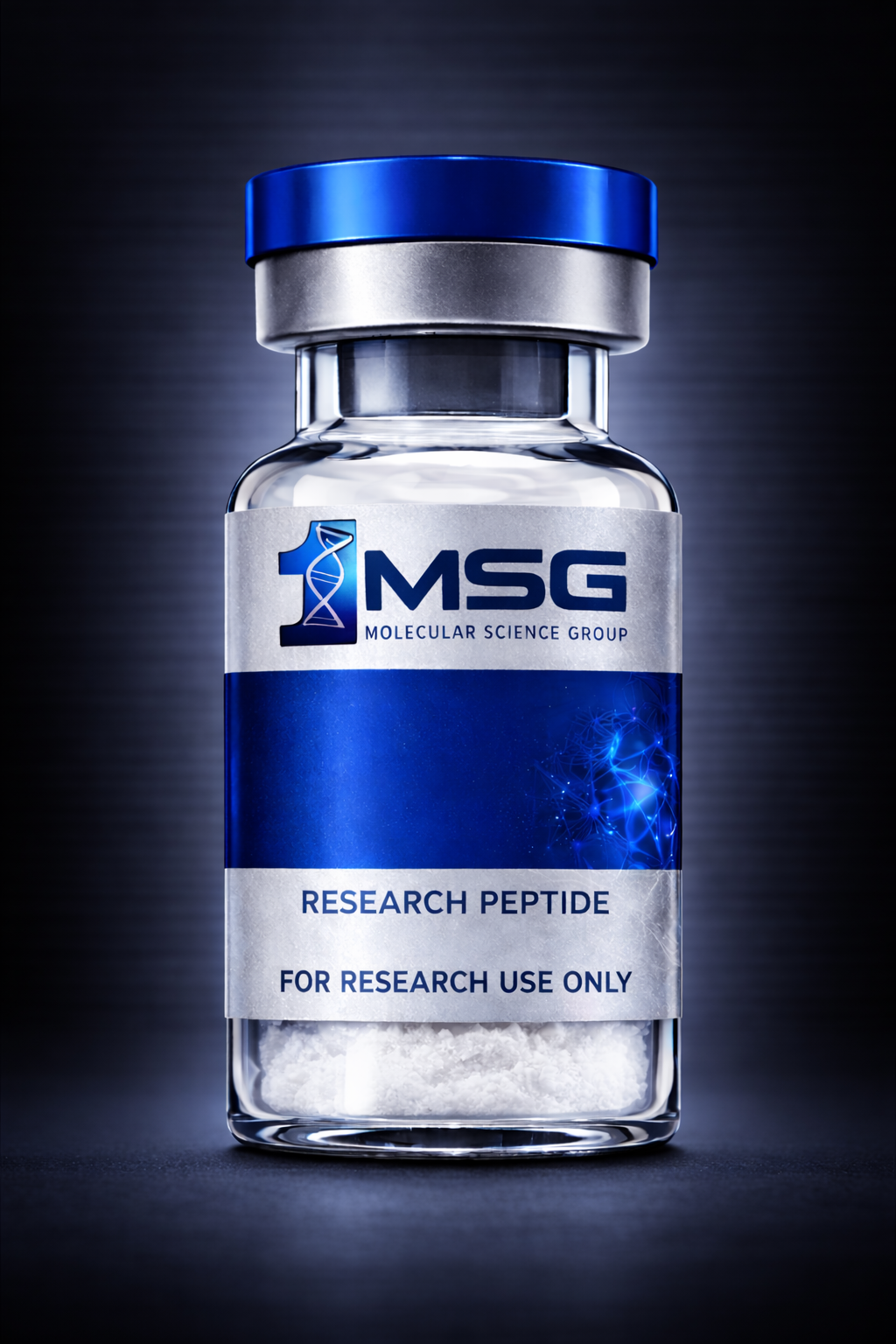
Description
What is Demorphin(dp)?
Demorphin(dp) is a research peptide studied for its strong affinity toward opioid receptor systems, especially in discussions around selective receptor interaction and peptide-based signaling. In plain English, it is a small peptide compound that has gained attention because it appears to interact very powerfully with specific receptor targets that influence how signals are transmitted in experimental models.
Researchers are interested in Demorphin(dp) because it stands out from many other peptides due to its receptor activity profile and the way it is often discussed in relation to potent opioid-like signaling in laboratory research. For customers browsing research peptides, the main reason this compound gets attention is simple: it is one of the more talked-about peptides for studying receptor binding, signaling strength, and structure-activity relationships.
How Demorphin(dp) Works
Demorphin(dp) is commonly studied for how it interacts with opioid receptor pathways in controlled research environments. While the exact implications depend on the model being used, it is often discussed for its ability to bind strongly to receptor targets involved in signal modulation.
- Receptor affinity: Has shown interest in studies focused on strong receptor binding behavior.
- Selective signaling: Often discussed for how peptide structure may influence receptor preference and downstream effects.
- Peptide activity: Researchers are interested in how a short peptide sequence can produce notable signaling activity in preclinical models.
- Comparative analysis: Commonly compared to other opioid-active compounds when studying potency and receptor selectivity.
In simple terms, Demorphin(dp) is being studied because it appears to be a very active peptide in receptor-based research, making it useful for scientists exploring how peptide compounds trigger biological signaling.
Why Demorphin(dp) Is Getting Attention
Demorphin(dp) has gained attention for a few key reasons. First, peptide-based compounds with strong receptor activity are always of interest in molecular and pharmacological research. Second, Demorphin(dp) is often discussed because its activity profile may help researchers better understand how peptide structure affects receptor behavior. Third, it is frequently mentioned in conversations about highly potent naturally inspired peptide frameworks.
Research interest commonly centers on:
- Opioid receptor binding studies
- Peptide-receptor interaction mapping
- Structure-function analysis
- Signal transduction research
- Comparisons with non-peptide and peptide analog compounds
For many research buyers, that makes Demorphin(dp) appealing as a specialty peptide for targeted laboratory investigation rather than a generic catalog item.
Potential Benefits Being Studied
As a research peptide, Demorphin(dp) is being studied for several areas of scientific interest. These are not established outcomes, but they help explain why the compound continues to draw attention in preclinical and receptor-focused work.
- High receptor-binding interest: Often studied for strong interaction with opioid-related receptor systems.
- Peptide signaling insights: Researchers are interested in how it may help clarify peptide-mediated signaling pathways.
- Comparative potency discussions: Commonly compared in research settings where signal strength and receptor response are being evaluated.
- Structure-activity relevance: Has shown interest in studies examining how small sequence changes can alter biological activity.
- Pharmacology model value: Often discussed for its usefulness in receptor and ligand research frameworks.
What Makes Demorphin(dp) Stand Out
What makes Demorphin(dp) different is not just that it is a peptide, but that it is a peptide with a reputation for notable receptor activity in the research literature. Many compounds are screened for receptor interaction, but Demorphin(dp) is especially interesting because it is commonly associated with strong binding interest and a distinctive peptide profile.
- Specialized research relevance rather than broad generic use
- Frequently discussed in receptor-focused studies
- Useful for peptide pharmacology comparisons
- Appealing to investigators studying signaling pathways
If you are looking through research peptides and wondering why this one matters, the answer is that Demorphin(dp) is often chosen when the goal is to study potent peptide-receptor interaction and understand why certain peptide structures attract so much scientific attention.
Important Research Context
Demorphin(dp) is supplied for research use only. It is intended for laboratory, analytical, and scientific investigation by qualified professionals. It is not presented as a treatment, cure, or diagnostic product, and no guaranteed outcomes are implied. As with other advanced research peptides, proper handling, storage, documentation, and controlled experimental design are essential.
For researchers seeking a peptide that is educationally interesting, pharmacologically distinctive, and highly relevant to receptor signaling discussions, Demorphin(dp) remains a compelling compound to explore in the research setting.