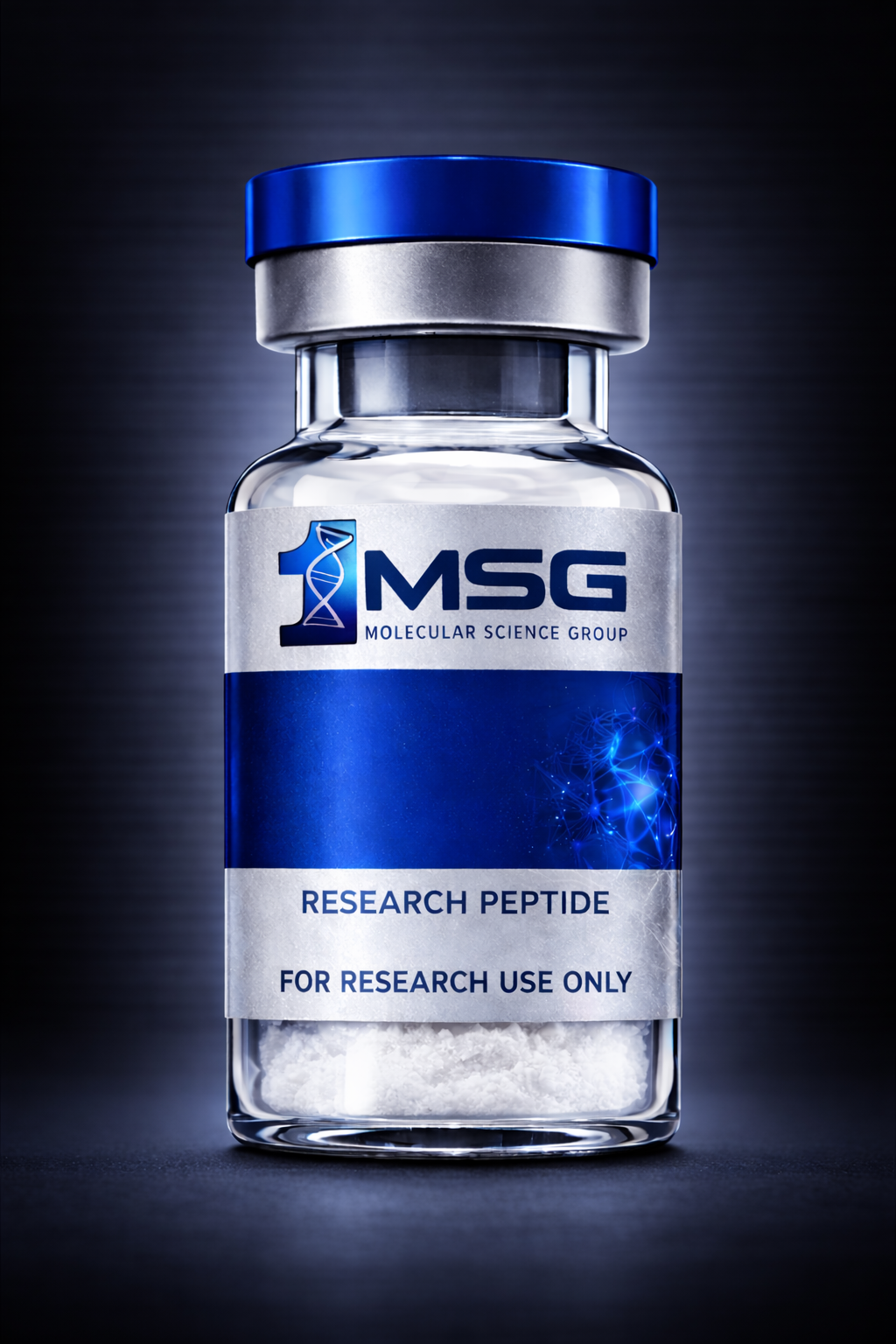
Description
What is Dihexa?
Dihexa is a small peptide-derived research compound that has gained significant attention in the nootropics space for its potential connection to cognition, memory, and synaptic health. In plain English, it is a compound researchers are interested in because it appears to interact with signaling pathways involved in how brain cells communicate, adapt, and form connections.
Unlike basic stimulants that are mainly discussed for short-term alertness, Dihexa is often studied for its possible relationship to neurotrophic activity—meaning the kinds of biological processes that support neuronal growth, connectivity, and signaling. That is a major reason it has become a standout name among advanced research nootropics.
How Dihexa Works
Dihexa is commonly discussed in research circles for its interaction with pathways associated with hepatocyte growth factor (HGF) and the c-Met signaling system. These pathways are of interest because they are involved in cellular communication, repair signaling, and structural support in nervous system research.
In simple terms, researchers are interested in whether Dihexa may help support the kinds of signaling environments associated with:
- Synaptic plasticity — how the brain adapts and strengthens communication between neurons
- Neurite outgrowth — the extension of structures that help nerve cells connect
- Neuronal connectivity — how efficiently brain cells form and maintain communication networks
- Cognitive signaling pathways related to learning and memory research
This mechanism-focused profile is one reason Dihexa is often discussed differently from more common nootropics.
Why Dihexa Is Getting Attention
Dihexa has gained attention because researchers are not just looking at it as a general “brain booster.” Instead, it is being studied for its potential relevance to the underlying biology of memory formation, cognitive resilience, and neural network support.
Interest in Dihexa has grown because it is often associated with research exploring:
- Learning and memory performance
- Synapse-related signaling
- Neurotrophic and growth-related pathways
- Age-related cognitive research interest
- Advanced nootropic mechanisms beyond stimulant effects
For customers browsing a nootropics catalog, this matters because Dihexa is typically viewed as a higher-interest, research-driven compound rather than a simple focus ingredient.
Potential Benefits Being Studied
While research is still developing, Dihexa is commonly discussed for several areas of scientific interest. Researchers are interested in its potential role in:
- Memory support pathways
- Learning-related signaling
- Cognitive performance research
- Synaptic density and connectivity interest
- Neuroprotective research attention
- Brain-cell communication and adaptation
These are the kinds of reasons Dihexa is often mentioned in advanced nootropic discussions, especially by those comparing compounds based on mechanism and study interest rather than just immediate stimulation.
What Makes Dihexa Stand Out
Dihexa stands out because it is often discussed as a compound with a unique signaling profile. Instead of being known primarily for caffeine-like effects, it has shown interest in studies focused on structural and functional aspects of cognition.
- Peptide-derived design with strong niche appeal in advanced nootropics
- Often compared to neurotrophic research compounds rather than standard stimulants
- Studied for cognition-related pathways tied to neuronal communication
- Popular among research-focused buyers looking for innovative compounds
This makes Dihexa especially appealing to customers who want to explore products that are being studied for deeper cognitive mechanisms, not just surface-level energy or alertness.
Who Is Interested in Dihexa?
Dihexa is commonly of interest to people following the nootropics category closely, especially those who pay attention to:
- Memory and learning research
- Neuroprotection discussions
- Synaptic plasticity and connectivity studies
- Peptide-related cognitive compounds
- Emerging nootropic ingredients with strong scientific curiosity
If you are comparing advanced cognitive research compounds, Dihexa is one of the names that frequently comes up because of its unusual mechanism and the level of discussion around its potential relevance to brain signaling.
Important Research Context
Dihexa is sold in the context of research and laboratory interest. It is a compound that has gained attention because of promising scientific discussion, but it should be approached with appropriate caution and respect for its research status. Interest in Dihexa is driven by mechanism, study attention, and its place in the evolving nootropics landscape.
For many customers, the appeal is simple: Dihexa is one of the more talked-about advanced nootropic compounds being studied for memory, neuronal connectivity, and cognitive signaling pathways.