
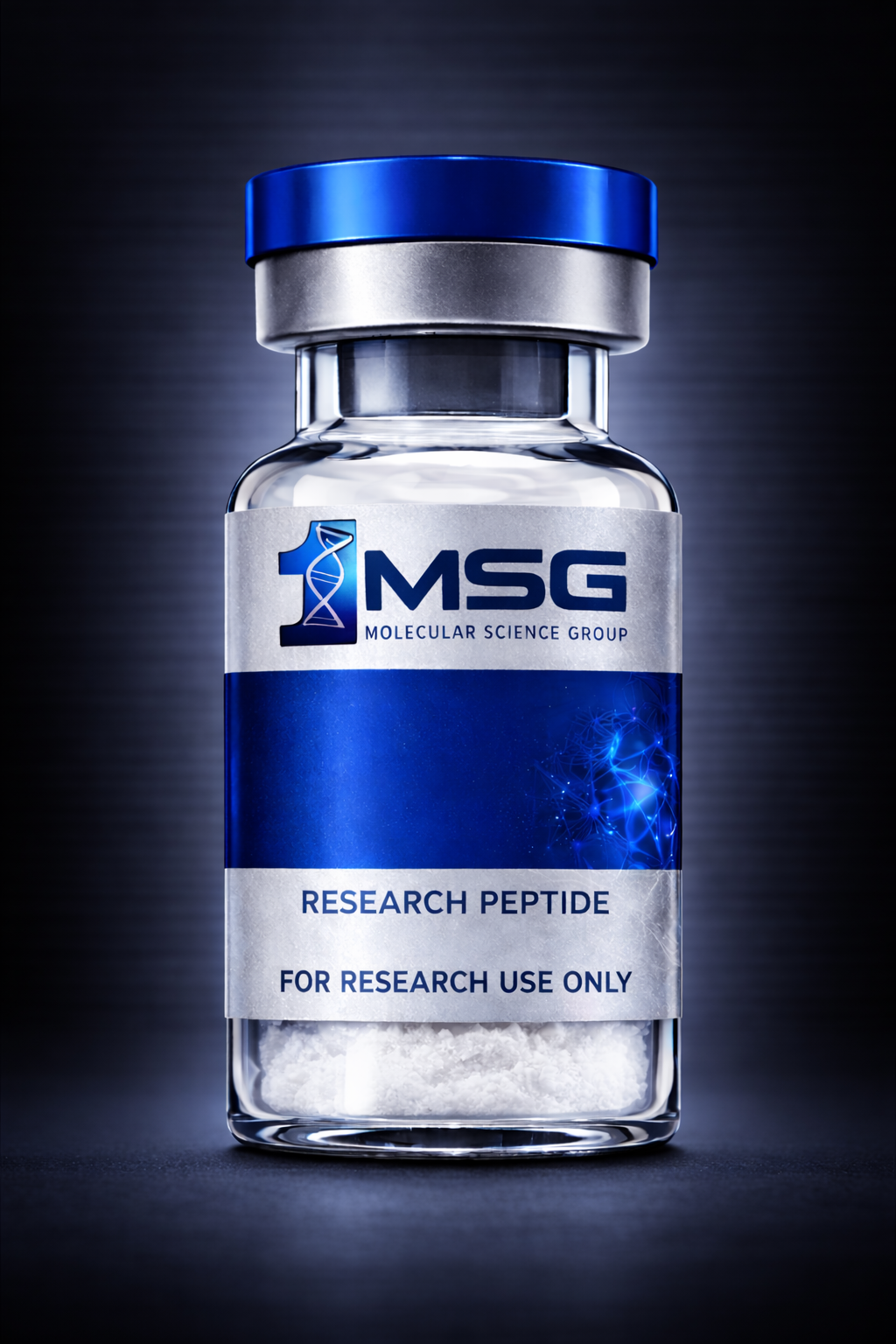
Description
What is Frag 17-23?
Frag 17-23 is a short peptide fragment derived from the broader growth hormone sequence. In plain English, it is a very small section of a larger hormone-related chain that researchers study to better understand how specific regions of that chain may influence metabolism, signaling behavior, and body composition-related pathways.
Instead of looking at the full hormone as a whole, researchers often isolate smaller fragments like Frag 17-23 to see whether a narrow sequence may have its own unique activity profile. That is one reason this peptide has gained attention in research settings: it represents a more targeted way to explore growth hormone-associated signaling without using the entire parent compound.
How Frag 17-23 Works
Frag 17-23 is being studied for how a short amino acid sequence may interact with pathways commonly associated with metabolic regulation and tissue signaling. While research interest varies by model and design, this fragment is often discussed in the context of selective signaling rather than broad systemic hormone-like activity.
In simple terms, researchers are interested in whether this small fragment may help reveal:
- How certain growth hormone regions contribute to metabolic signaling
- Whether short peptide fragments can show distinct pathway behavior
- How fragment-based compounds are commonly compared to larger growth hormone-related peptides
- What role sequence-specific activity may play in body composition research
This makes Frag 17-23 especially interesting to those studying peptide structure-function relationships, where the goal is to understand what a specific segment does rather than assuming the whole molecule is required.
Why Frag 17-23 Is Getting Attention
Frag 17-23 has gained attention because peptide researchers are increasingly interested in precision fragments rather than only full-length compounds. Smaller fragments can be useful in research when the objective is to isolate a narrow biological effect, compare signaling patterns, or study how one region of a peptide contributes to a larger physiological response.
It is often discussed alongside other growth hormone fragments and metabolic research peptides because of interest in:
- Fat metabolism research
- Energy expenditure-related pathways
- Growth hormone signaling comparisons
- Body composition study models
- Selective peptide activity
For customers browsing research peptides, this matters because Frag 17-23 is not simply another generic peptide. It is a niche fragment that appeals to buyers looking for a more specific sequence with focused scientific interest.
Potential Benefits Being Studied
Frag 17-23 is being studied for several areas of scientific interest. These are not established medical uses, but they help explain why the peptide appears in research catalogs and discussions.
- Metabolic pathway interest: Researchers are interested in whether this fragment may relate to fat metabolism and energy-use signaling.
- Body composition research: It is often discussed in studies examining how peptide fragments may influence pathways relevant to lean mass and fat balance.
- Growth hormone pathway mapping: Frag 17-23 may help researchers understand which portions of a larger hormone sequence contribute to specific biological effects.
- Selective signaling exploration: Short fragments are commonly compared to full-length compounds to see whether they produce narrower or more targeted responses.
- Peptide design interest: This fragment may also be relevant in broader research on how compact sequences can be used to investigate receptor or pathway behavior.
What Makes Frag 17-23 Stand Out
What makes Frag 17-23 stand out is its small, defined sequence and focused research profile. Many buyers looking through peptide catalogs are not just searching for the most well-known name—they are looking for compounds with a specific scientific angle. Frag 17-23 fits that interest well.
- It is a targeted fragment, not a full-length hormone
- It has gained attention for growth hormone-related pathway research
- It is commonly compared to other metabolic and body composition peptides
- It appeals to researchers interested in sequence-specific activity
- It offers a focused option within the broader research peptide category
For many customers, the value of Frag 17-23 is in its specificity. Rather than taking a broad approach, this peptide is often selected because researchers want to examine one narrow fragment and its potential signaling relevance.
Who Is Interested in Frag 17-23?
Frag 17-23 is commonly of interest to researchers exploring:
- Growth hormone fragment biology
- Metabolic and body composition pathways
- Peptide signaling selectivity
- Comparative peptide research
- Short-sequence structure-function analysis
This kind of interest is especially common in settings where peptide fragments are being evaluated not just for broad activity, but for how a precise sequence may contribute to a larger biological picture.
Final Overview
Frag 17-23 is a specialized research peptide fragment being studied for its relationship to growth hormone-associated signaling, metabolic interest, and selective pathway behavior. In plain terms, it is a small but scientifically interesting piece of a larger hormone-related sequence that researchers use to ask more focused questions about how peptide fragments may work.
If you are looking for a peptide that is often discussed for body composition research, metabolic signaling interest, and fragment-specific study design, Frag 17-23 stands out as a precise and relevant option in the research peptide category.
For research use only. Not for human consumption.
Reviews
There are no reviews yet.